
Football is the world's most popular sport. It utilizes technology to improve the accuracy and fairness of the game. Several technological advances have been adopted in recent decades. They're fundamentally changing the rules of the game, betting with Bizbet and refereeing. Two of the most significant innovations are goal-line technology (GLT) and video assistant referee (VAR). This article will explore these and other modern approaches in more detail.
Innovative Technologies to Assist Referees
The primary goal of innovative technologies in football is to ensure fair play. Below, we describe several technologies for referees that help them make fair decisions. These tools allow users to bet on sports with confidence and be assured of fair results.
Goal-Line Technology
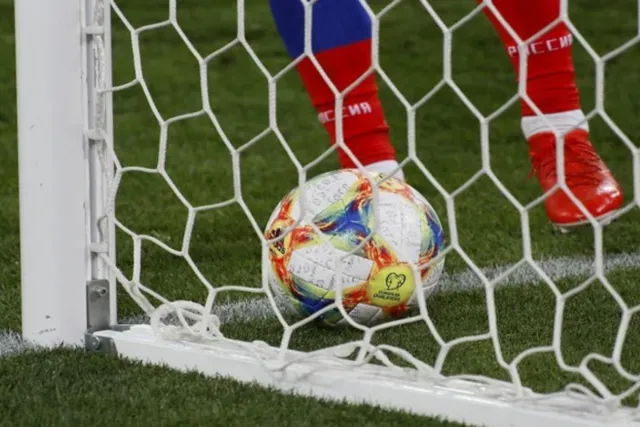
Goal-Line system was adopted in 2012. It was a response to controversial decisions about whether the ball had completely crossed the goal line.
The system uses cameras and magnetic fields to track the ball position. When the ball crosses the line, a signal is sent to the referee's watch.
FIFA World Cup 2014 was the first tournament with the GLT system.
Video Assistant Referee (VAR)
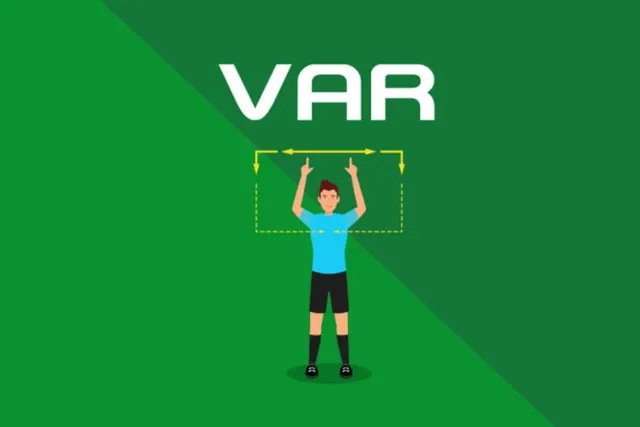
The adoption of the Video Assistant Referee (VAR) system has changed football matches. VAR in football is a team of referees who analyze decisions made by the referee on the field. These specialists work with video recordings. They allow for correction of errors in four key areas:
Goals. Penalty decisions.
Direct red card cases.
Mistaken identity.
Referees communicate with the VAR team via headset. They can also review the footage on a pitchside monitor or overturn the decision.
The use of VAR is widespread in leading leagues. In 2024, Premier League teams voted to continue utilizing smart football systems.
Wearable Technologies and Football
Such devices have changed the way coaches and athletes approach training. They provide information about athletes' physical condition.
Real-Time Performance Monitoring
Wearable devices monitor performance during training and matches. Let's discuss the main parameters.
Heart rate to control cardiovascular stress.
Speed to determine endurance and acceleration.
Distance covered to assess workload.
These metrics provide coaches with comprehensive information about athletes' performance, allowing them to analyze match intensity and recovery needs.
Using Data for Training and Tactics
Information from wearable devices improves training. We'll discuss key opportunities for coaches.
Adjusting training intensity based on player fatigue.
Identifying areas for improvement, including speed and endurance.
Creating tactical plans that match the team's potential.
The data-driven approach increases team performance and eliminates unnecessary stress.
Injury Prevention and Rapid Recovery
Wearable gadgets provide injury prevention. They monitor several parameters.
Sudden changes in workloads. It can lead to injuries.
Muscle strains during training.
These gadgets assist physical therapists and coaches. A customized training plan allows athletes to return to the field faster.
Advanced Fan Solutions in Football
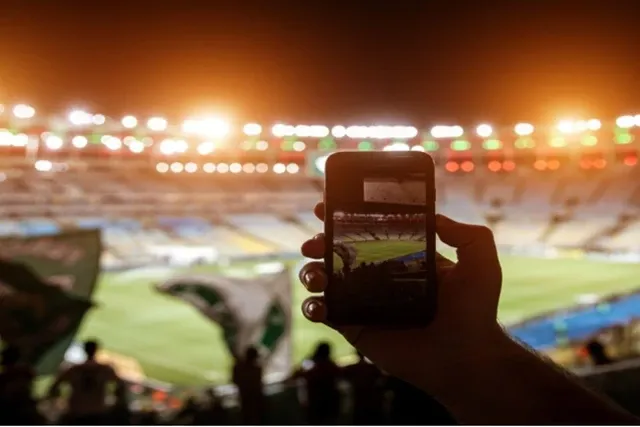
Technological advancements impact athletes and fans. Below, we'll explore how the lives of people watching games in the stadium or on TV have changed.
Blockchain. It increases engagement through fan tokens. Fans of different teams can vote on decisions, and gain access to exclusive merchandise, Blockchain also ensures secure ticket sales to combat fraud. One of the latest trends is the tokenization of shares for fan ownership.
Smart stadiums. They integrate sensors, cameras, and 5G to offer fans a full range of services. They include parking availability and seat upgrades. Tottenham Hotspur Stadium in London is a famous smart stadium. It offers a retractable pitch that is utilized for a variety of sports. The stadium has 1,000 square meters of digital screens. It has enough Wi-Fi hotspots to allow 62,000 spectators to use their phones.
Streaming and social media. These platforms enable real-time interaction. Statistics show that 41% of fans watch live sports broadcasts digitally. Teams like Manchester City use social bots and content publishing apps. They increase engagement with short videos, and augmented reality filters.
It's hard to imagine what technologies await football in the future and how they will change our favorite game.
Other Advanced Technologies in Football
Let's consider other advances that are positively impacting the entire football industry.
Big data. It has transformed the scouting process in football. Teams can use big data platforms to analyze the performance of thousands of players worldwide. This identifies promising talent and predicts their future potential. Big data helps clubs evaluate their players' performance and identify opportunities for improvement.
Virtual reality (VR) and augmented reality (AR). Clubs expand the capabilities of their players. They use VR and AR headsets in training to improve reaction times. Teams like to implement VR technology to simulate game situations. They help athletes hone their tactical thinking and skills in a controlled environment.
Drones. They expand the possibilities of tactical analysis. Clubs use drones to film training sessions from the air. This view helps coaches assess player positioning and team dynamics. This information is often unavailable with traditional ground-based filming.
Smart balls. Companies like Adidas have developed balls with embedded sensors. They collect data on speed, spin, and trajectory. These balls are used in training to improve players' technical skills. During matches, they provide sports analytics to the media. Users of Bizbet Mongolia may collect such information for future predictions.
These advances improve fairness, but raise debate about preserving the human element in the game. By 2026, further integration of big data and sensors promises accurate decision-making.
Innovative Technologies in Football: Problems with Implementation and Use
VAR, goal-line technology, and other modern football innovations have led to significant advances in football and created a number of challenges. The table below summarizes the main issues.
Problem | Description |
VAR Inconsistencies. | VAR has faced criticism for its inconsistent application across matches and leagues. Referees may interpret the same incident differently. It can lead to dissatisfaction among athletes and fans. |
Disruption of Game Flow. | VAR reviews can disrupt the flow of the game. Long delays during reviews disrupt the rhythm and impair the spectator experience. |
High Costs and Accessibility. | Implementing the technology requires investment in equipment and training. Smaller leagues in developing countries have difficulty acquiring these systems. It creates a technological gap. |
Infrastructure Limitations. | Modern technologies require stable internet access and camera setup. Many stadiums lack this infrastructure. |
Resistance to Change. | Football fans resist technologies that change the game nature. Some people argue VAR undermines the spontaneity of goal celebrations. |
Information protection | Collecting data on player performance raises questions about privacy and misuse. |
Technical limitations. | Goal-line technology is accurate. However, VAR's offside decisions can be contentious with frame-rate limitations. |
The football world needs to address these challenges to reap the full benefits of the technology.
Final Words
The adoption of technology in football has improved the accuracy of refereeing and the quality of play. Goal Line and VAR technologies have minimized the human factor in critical decision-making. Wearable devices have transformed the game and training process.
As sports technology in football advances, its role will expand. The sport will enjoy an even more dynamic and exciting future.