
The border between playing and watching keeps fading. Hybrid gaming sits in that middle zone, where live streaming, real-time hosting, and interactive mechanics merge. It’s not a trend anymore—it’s a format that keeps audiences active and connected.
The Core of Hybrid Gaming
Hybrid gaming combines three elements: live show, streaming interaction, and game mechanics. The host becomes part of the experience, guiding participants through a mix of play and performance. The player’s role isn’t limited to betting or clicking; they become part of a shared event that reacts to audience input.
Platforms inspired by Twitch set the tone for this model. Real-time chat, polls, and shared reactions build a sense of community that traditional casino games rarely create. The show element keeps it fast, visual, and dynamic, while the gaming mechanics add measurable results—a win, a multiplier, a progress marker.
Why It Works
Players respond to two strong incentives: visibility and interaction. Being seen and influencing outcomes keeps engagement levels high. For operators, it means better retention and longer session time. For viewers, it feels like a social event, not a static stream.
Typical hybrid formats include:
Live wheel or card games hosted by presenters.
Skill-based mini-events with chat-driven outcomes.
Audience-influenced challenges or multipliers.
Each of these formats keeps the energy flowing while making every round slightly unpredictable.
Experience with Ice Fishing Live
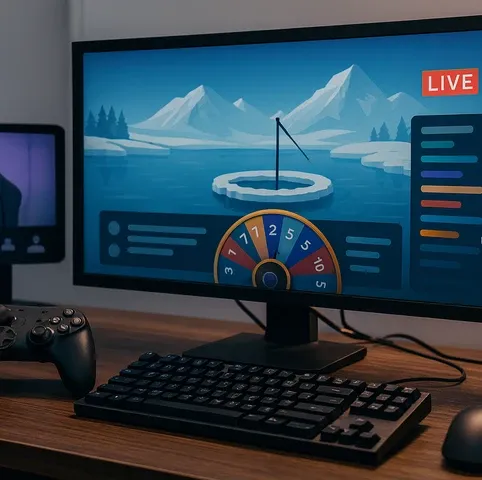
One of the most discussed examples of soft-gambling hybrids is Ice Fishing Live, developed by Evolution. The project blends the idea of a live show with a betting layer. It uses a themed studio, quick rounds, and a mix of luck-based and bonus-driven segments. The result: a session that feels both playful and competitive.
Those exploring interactive live titles can visit website to check stats, game rules, and bonus features. The platform highlights strategies and outcomes without pushing for high-stakes play. The design focuses on accessibility and fast access to information—a good match for users who value quick insights and community-driven formats.
Why Players Notice It
Ice Fishing Live stands out because it balances entertainment with mechanics. The game show host, bonus rounds, and thematic visuals create rhythm. Behind the visuals, clear RTP data and fixed win limits make the experience transparent. It’s a soft-gambling model where users can test approaches, follow strategies, and learn pacing without heavy risk exposure.
For example, the wheel uses 53 segments with multiple bonus zones. Some give instant multipliers, others trigger “Big Oranges” or “Huge Reds” bonus rounds. It feels close to a Twitch-style event but keeps structure through fixed round lengths and known odds.
The Appeal of Live Interaction
Traditional casino streams are one-sided. Hybrid formats reverse that. Players speak, the host reacts, and sometimes, the chat decides what happens next. That simple feedback loop increases emotional involvement.
From a technical side, latency, synchronization, and UX flow matter. Even a few seconds of delay can break immersion. This is why modern hybrids use optimized broadcast tools and embedded interactive layers rather than simple video feeds.
Key interaction drivers:
Chat reactions during gameplay.
Live polls that impact outcomes.
Short cycles between actions and visible results.
Every point of feedback makes the format feel alive, not automated.
Design and User Flow
Developers treat these games like events, not static products. Visuals change with every round, the host adapts tone based on reactions, and the studio looks more like a streaming set than a casino. That design choice matters. It builds a bridge between streaming culture and gaming logic.
Element | Streaming Influence | Game Mechanic | Result for Player |
Host | Keeps rhythm, adds personality | Guides pacing and commentary | Immersive session, connection |
Chat | Real-time feedback | Can affect rounds or bonuses | Emotional involvement |
Visual design | Studio, camera angles | Clear layout, visible odds | Trust and clarity |
The combination of these aspects shapes a format that feels balanced: structured enough to follow, flexible enough to surprise.
Types of Hybrid Experiences
Hybrid formats already appear across several categories. Some lean toward casual gaming, others connect with gambling logic but keep it transparent.
Live quiz and trivia shows – where knowledge replaces chance.
Adventure-based live slots – where bonus rounds mimic game missions.
Community-driven competitions – chat members compete or vote for outcomes.
Each direction focuses on user control, shared moments, and replay value. The goal is sustained attention, not only instant excitement.
What Makes It Sustainable
The hybrid approach grows because it satisfies both passive and active users. Viewers enjoy the show; players feel agency. Developers get constant feedback, which helps refine pacing and reward balance.
Transparency also plays a role. Many titles display RTP openly, run short sessions, and show real probability ranges. This practice aligns them closer to fair play models than traditional gambling setups.
For operators and creators:
Keep session times short.
Make odds visible and rules clear.
Use thematic designs to keep user interest.
Encourage community participation instead of one-way play.
That formula keeps the audience looped in and reduces fatigue over long sessions.
Closing Thoughts
Hybrid gaming turns passive viewing into active entertainment. Players don’t just spin or bet—they interact, react, and sometimes co-create outcomes. With platforms like Ice Fishing Live leading the soft-gambling segment, this space keeps evolving toward shared, transparent, and fast-paced formats. For now, it’s one of the few corners of online entertainment where players can play, watch, and influence—all at once.