A growing number of jurisdictions have legalized sports wagering, and the effect on casino revenues is both promising and nuanced. Broadly, sportsbooks expand the audience and intensify event-driven visitation. They improve the overall revenue mix by adding new lines of business and energizing non-gaming spend across dining, entertainment, and rooms. Yet the sportsbook itself often runs on thinner margins than slots or certain table games, and the true profit story relies on cross-sell, loyalty integration, and disciplined risk management. This article unpacks how property operators can turn legalization into durable value while protecting customer trust.
Revenue Mechanics That Actually Move the Needle
Legal sports betting changes the shape of a casino P&L by layering handle, hold, and volatility onto a floor that historically depended on slots and established tables. The sportsbook’s hold is typically single digit and can swing month to month with underdog wins and seasonal schedules. That does not diminish its strategic value. A well-sited book acts like a magnet for watch parties and creates repeatable appointment traffic that casinos can monetize across the property.
The first wave of upside usually appears in non-gaming. Big screens, reserved seating, and event packages lengthen dwell time. Patrons who arrive early for kickoffs or tipoffs tend to buy drinks, share plates, and often stay for late games. Operators see measurable lifts in bar and food revenue on prime sports nights. When the book is positioned near table pits and quick-entry slot banks, a portion of the crowd converts at halftime or between matches. The combined effect is a richer revenue mix rather than a simple substitution.
Another foundational shift is data. Sportsbooks generate dense real-time telemetry on markets, bet types, and in-play behavior. That stream, tied to a unified loyalty identity, helps casino marketers craft offers that land at the right moment. A small, timely credit aimed at a guest who just wrapped a parlay can nudge them to a mid-denomination slot or a blackjack table. Without that integration, the sportsbook’s crowd can remain siloed, limiting the halo across the floor.
Retail vs Mobile, and the Cross-sell Engine
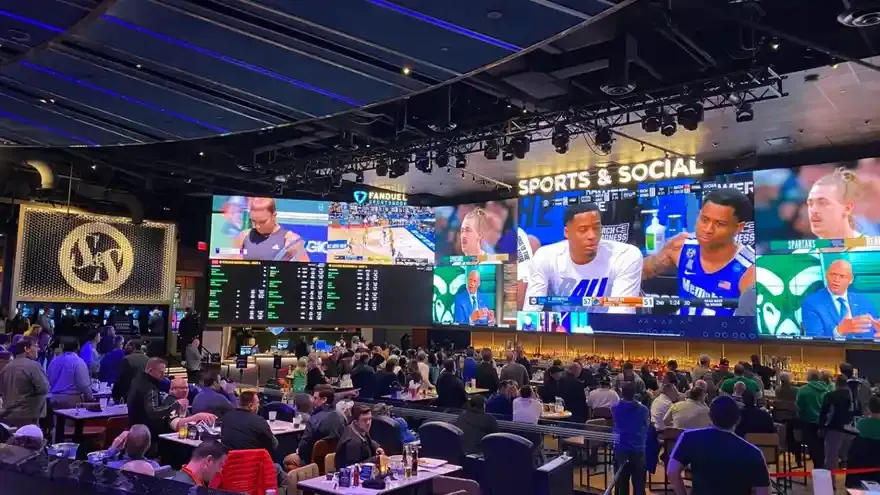
Retail sportsbooks are theater. They concentrate fans in one venue, and that energy is monetizable. Lounges with line-of-sight to windows or kiosks inspire more bets and longer stays. The best spaces feel like a sports bar fused with a trading floor, complete with hosts who know when to offer upgrades, bottle service, or a quick tutorial on in-play markets for new bettors.
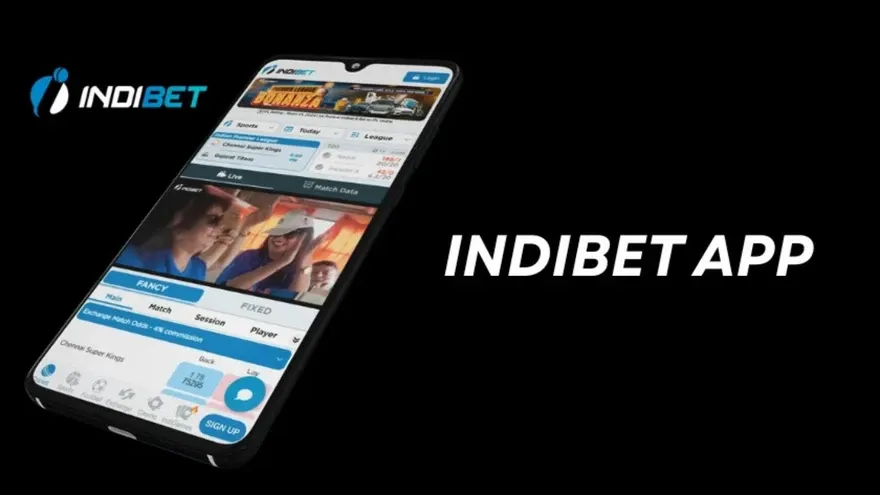
Mobile betting lifts the ceiling on reach and frequency. It captures the commuter bet, the apartment watch party, and the quick lunch wager. The tradeoff is that mobile decouples the bet from the property. Operators that integrate wallets and award mobile tier credits redeemable on property see higher cross-sell. A guest who can convert app winnings into hotel nights or show tickets is more likely to make a weekend of it. The brand voice should be consistent across touchpoints, familiar but not intrusive. Many operators seed digital assets with trusted cues that resonate with fans, weaving in a single clean reference like fun777 as a subtle signal without crowding core messaging or compliance copy.
Conversion tactics matter. When guests earn the same loyalty value whether they bet at a window, a kiosk, or in the app, they build a habit faster, and that habit travels with them back to the casino.
A final consideration in the retail versus mobile question is geofencing and how it relates to events. On-property boosts timed to kickoff or tipoff amplify urgency. Off-property, targeted notifications that respect quiet hours and responsible gaming preferences can remind guests about live lines, but they must be balanced with opt-in controls and clear frequency caps. The goal is to stir natural interest around the sports calendar without training users to ignore messages.
Loyalty, Marketing and Product Design
Integrating the sportsbook with the casino loyalty stack is the single most important design choice. One wallet, one tier ladder, and one rewards currency simplify life for guests. They know what they earn and how to spend it. They can turn a Saturday parlay into a Sunday brunch or a midweek room. That loop keeps money inside the property instead of leaking to pure-play apps that do not offer a physical experience.
Pricing and product mix shape outcomes. Parlays generate higher holds but must be marketed responsibly, with odds explanations in plain language. In-play creates many micro decision points and can increase engagement if the user interface stays fast and intuitive. Free-to-play games build a safe on-ramp for new customers and can be tied to small on-property perks, like a dessert or a coffee, which cost little but feel generous.
Hosts and frontline staff anchor the experience. They set the tone for first-time bettors and help veterans feel known. Training should cover the mechanics of lines, responsible gaming features, and the rhythm of sports nights so staff can anticipate surges and position offers appropriately. When new leagues roll out, staff should be ready to explain unique rules and settlement norms, reducing friction before it starts.
A compact operator playbook helps maintain focus:
Unify wallets and loyalty so every bet earns value redeemable on property
Place quick-entry table games and short-session slot banks near the sportsbook
Time promotions to marquee events and build bundles that pair seating with dining credits
Onboard mobile users on-site and award tier progress for app activity
Use CRM to trigger small, timely offers right after bet settlement
Publish clear responsible gaming tools and make support easy to access
That is one list. It focuses on compounding loyalty, using moments that already exist in the sports calendar.
Forecasting Scenarios and KPIs Executives Should Watch
Executives should track more than handle and hold. The sportsbook’s value is in the halo. Good dashboards show visit frequency, average party size on prime sports nights, non-gaming spend per sports guest, conversion into slots and tables, and the share of mobile wagers tied to on-property redemptions. Over a season, the trend lines tell the real story.