
The FIFA World Cup 2026 is set to be the World Cup never seen before in its tournament history. Not only would the competition be the biggest ever, with an incredible 48 nations participating, but the tournament will be hosted by three countries, Canada, Mexico and the USA for the first time. The tournament will take place from June 11 to July 19, 2026, with the number of games increasing from 64 to 104. There will be a record 12 groups in the tournament, with a new Round of 32 stage introduced in the knockout phase. This is the first format change for the tournament since 1998, when the 32-team format was introduced.
With the format change, the World Cup qualifiers have also changed, with each confederation receiving additional slots for the tournament. The CONCACAF received three direct slots, with the host slot for 2026 not taken into consideration. AFC will have eight teams qualifying directly for the finals while CONMEBOL have eight automatic spots. Nine teams from Africa will receive direct tickets to the tournament, second only to Europe. UEFA will have 16 teams in the finals, with 12 earning direct spots and the rest filled through UEFA playoffs. The six teams in the inter-confederation playoff will comprise one team from each confederation, two from CONCACAF, but none from Europe.
Due to the different timing of the qualifiers conducted by each confederation, some teams had the chance to secure qualification faster, more than a year before the tournament in June 2026. CONMEBOL was the first confederation to begin its qualifiers for the 2026 FIFA World Cup in September 2023, eight months after the previous edition in Qatar, followed by the AFC and others. UEFA was the last to begin its qualifiers due to a scheduling conflict with the 2024-25 Nations League campaign. The World Cup expansion to so many teams allowed many new nations to get their first taste of the competition, while it was a chance for others to make a return to the contest, hyping up the excitement around the new-look tournament.
Here are the teams that have qualified for the tournament so far:
Hosts
Canada
Canada ended a long 36-year wait to qualify for the World Cup, making it to the 2022 edition hosted in Qatar. However, Alphonso Davies and his national teammates won’t have to wait long to taste the finals again as they secured a berth in the 2026 World Cup as one of its hosts alongside Mexico and the United States. Canada will host or co-host the men’s World Cup for the first time, having hosted the women’s tournament in 2015. The Canucks are placed in Group B1 of the 2026 World Cup as one of the co-host slots.
Mexico
Unlike Canada, this will be the third time World Cup finals matches will take place in Mexico, having hosted it in 1970 and 1986. They became the first country to do so in the tournament and are co-hosting it this time. El Tri has been a mainstay in the competition and will make a ninth straight appearance, 18th overall. They only failed to qualify on four occasions in the tournament's history. Mexico will have three venues hosting the finals: Mexico City, Monterrey and Guadalajara.
United States
Much of the action for the 2026 World Cup will take place in the United States, which will host the men’s tournament for the first time since 1994. The USA has been preparing for the competition for a while now, having hosted the Copa America in 2024 and the expanded FIFA Club World Cup this year. It can potentially host the inter-confederation playoffs of the World Cup qualifiers next year as well. The matches organised by the USA will be played across 11 stadiums, including the final in New Jersey. The USA national team will participate in the World Cup for the 11th time and hopes to make it a big one.
AFC
The AFC made a significant change to the format of their qualifiers, introducing four rounds. Eight teams from Asia will directly qualify for the World Cup in the new 48-team format of the tournament. The top two teams from each of the three groups in the third round of the qualifiers make it to the finals. Teams finishing third and fourth will get another shot at entering the fourth round, where the two group winners make it through. The runners-up from both groups will compete over two legs to determine the team advancing to the inter-confederation playoffs.
Direct qualification
Japan

Japan became the first team to qualify for the World Cup 2026 without losing a single game in the qualifiers. Carrying the vibe from their remarkable showing in the last World Cup, the Blue Samurai swept through the second round without conceding a single goal before claiming the top spot in the third round, ahead of Australia and Saudi Arabia. They were the best team in the qualifiers by a mile, leading the chart in almost every sector and taking a place in their eighth straight World Cup 14 months before the tournament in Canada, Mexico, and the United States. They will enter their eighth straight finals after making their World Cup debut in 1998. Although Japan’s excellent 12-game unbeaten run ended against the Socceroos, when they had already qualified, they will enter the World Cup finals with terrific form in the qualifiers. The Blue Samurai registered seven wins, scored a whopping 30 goals and conceded merely three.
Australia

Coming second to Japan in the same qualifying group is Australia, which sealed their passage to their seventh World Cup appearance and sixth in a row with a win over third-placed Saudi Arabia, finishing six points clear in the automatic spot. That crucial win against the group winners at home made their place in the finals almost certain, which did not look so cosy at first, with a shock loss to Bahrain at home and a goalless draw to Singapore away threatening to derail their dreams of reaching the finals. However, after a change of hands in the management with Graham Arnold stepping down for Tony Popovic, things changed swiftly for the Socceroos as they picked a 3-1 win against China in the manager’s debut and did not look back. Australia remained unbeaten in the next eight games, achieving four wins and collecting 19 points, making their way to the finals.
Iran

Asian heavyweights Japan will be a team to watch in the tournament, but Iran is also hoping to leave a mark. They secured an early qualification to the World Cup after Japan, only days later. Team Melli, like Uzbekistan, advanced from the second round of the qualifiers and will face them again in the third round. Iran maintained their unbeaten streak in this round, taking six wins out of eight games. While they could not defeat the Uzbeks in the four meetings, a late equaliser from Mehdi Taremi in the 2-2 draw in the last clash sent them to the finals. Iran will be appearing in their seventh World Cup next year, marking their fourth consecutive appearance. However, their tournament participation might be uncertain due to the USA’s potential travel ban on the Middle Eastern state, among other countries.
Uzbekistan
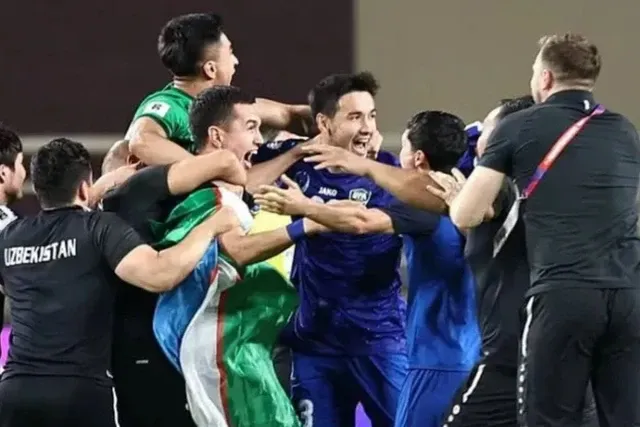
Making history in the World Cup 2026 will be Uzbekistan, qualified for their first-ever tournament in history and the first side from Central Asia to do so. After years of going into their football development and near misses in qualification, the White Wolves have scripted a remarkable fairytale in booking a spot in the premier competition on the international stage, finishing second in their group to take one of the automatic spots ahead of heavyweights like the UAE and Qatar. The goalless draw with the third-placed side in their penultimate game of the third round sealed their fate and they wrapped up their last competitive match before the finals with a 3-0 victory against the Asian Champions. Ultimately, Uzbekistan finished six points clear of the UAE by taking their tally to 21 from 10 games and just two points off the top spot held by Iran.
South Korea
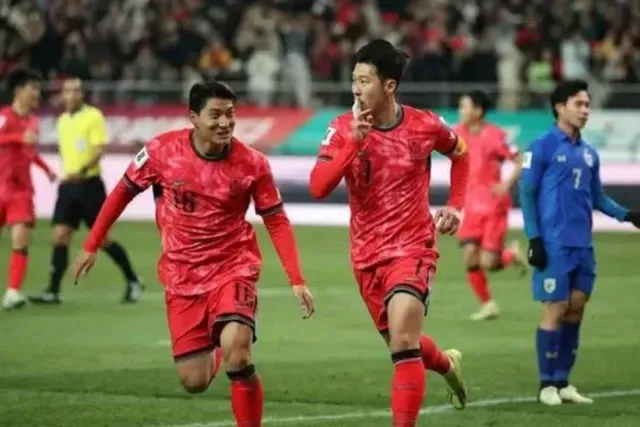
Also among the familiar names from Asia at the World Cup, South Korea is set to make their 11th appearance in the finals, with 12 overall. Like Japan, the Taeguk Warriors also dominated their qualifying group to seal the top spot, but they were the only side in the third round not to lose a game. The team took 22 points from 10 games, which includes six wins, with ṁanager Myung-Bo Hong doing a great job since taking charge in July last year. After picking up five wins in the first six matches, South Korea looked to have lost a bit of pace with consecutive 1-1 draws in the next three games. However, they bounced back strongly with a 2-0 win against 10-man Iraq, which sealed their qualification to the finals before dismantling Kuwait 4-0 in the final qualifying game. They were also the second-highest scoring team in the third round, with 20, with half of the strikes coming from their iconic footballer Son Heung-Min.
Jordan

Similar to Uzbekistan, Jordan are making their debut in the 48-team World Cup after experiencing rapid development in football. This progress led them to the Asian Cup 2024 final, marking their first major tournament appearance in history. The Chivalrous Ones defeated top sides like Iraq and South Korea in that competition, but were expected to face stiff competition while facing them again in the World Cup qualifiers alongside Oman and Kuwait. However, Jordan kept their upward track and secured the second automatic spot in the group, registering a point more than third-place Iraq. They lost just twice in the qualifying campaign, claiming four wins and scoring 16 goals while conceding only eight. They even had the chance to top their qualifying group, which was won by South Korea with a six-point margin, showing the heights the team could reach.
Qatar

World Cup hosts of the last edition, Qatar, will compete for the second time after securing qualification to the finals for the first time. However, the Asian champions had to take a long route in the AFC qualifiers to make it possible after failing to finish in the top two of their group in the third round. A fourth-place finish allowed them to enter the fourth round, where they faced Oman and the UAE again, with only the group winners receiving the automatic spot. Even though Qatar drew 0-0 with Oman, despite being the host of their fourth round group, they did not fail to seize the opportunity by remarkably beating the touted favourites, the UAE, 2-1 in the final game to finish first in their group and book their ticket to the group stages of the World Cup. Although the team’s overall qualification campaign wasn’t that great, reaching their target in such a fashion will be a morale-boosting one for the side ahead of the tournament.
Saudi Arabia

Similarly, Saudi Arabia has to go through the fourth round to secure their qualification to the 2026 World Cup, handling some equally big guns like Japan and Australia in the third round, where they finished third. Their qualifying campaign, under Hervé Renard in his second tenure after managing the team in the last World Cup, has been wobbly. After finishing second to Jordan, who eventually took one of the automatic spots in the third round, in the second round and then registered just three wins from the next 10 games. Even in the fourth round, the Green Falcons weren't convincing but managed to get the job done. This round was hosted on their soil, but it didn’t make it easier, as they had to sneak out a 3-2 win against Indonesia, whom they had even lost in the third round, before playing out a 0-0 draw with Iraq to go through. This will be the seventh World Cup for Saudi Arabia, completing the eight direct qualifying teams to the 48-team competition.
OFC
OFC has one direct slot and one spot in the inter-confederation playoffs in the new format for the World Cup. The winner of the third round of qualifiers advances to the finals, while the runners-up proceed to the inter-confederation playoffs.
Direct qualification
New Zealand

After a 16-year wait, New Zealand will return to the World Cup stage, with the OFC receiving a direct slot for the first time in the tournament's history. The winners of the OFC qualification will no longer enter the inter-confederation playoffs, which means the All Whites will no longer be required to beat a team from a different confederation, having lost to Costa Rica last time, to book a place in the finals. Being the highest-ranked nation and by far the strongest team in their region, New Zealand can qualify for every World Cup from now on. Darren Bazeley’s side crushed all their qualifying opponents, starting with the group stage, where they won all three games, scoring 19 goals and conceding just once. Top-scorer Chris Wood's hat-trick inspired a 7-0 semi-final demolition of Fiji, helping them reach the final, where they secured a 3-0 win over New Caledonia with a prudent second-half display to enter the premier competition. This will be New Zealand’s third appearance in the FIFA World Cup since their debut in 1982.
CONMEBOL
Following the increase in teams for the World Cup, the CONMEBOL qualifiers now feature six direct qualification slots, with one additional slot entering the inter-confederation play-off.
Direct qualification
Argentina

Also making an early qualification after the games in March 2025 are the World Cup defenders in Argentina. The 2022 winners in Qatar made a solid display in the CONMEBOL qualifiers for the 2026 edition and secured their place in the finals with four games to spare. They guaranteed their spot in the top six after Uruguay’s goalless draw against Bolivia, but would have done so anyway, thrashing arch-rivals Brazil 4-1 in front of the home support. Argentina finished the qualifiers with 38 points, registering 12 wins and losing four. Along with it, they were the best-scoring team with 31 goals and just 10 conceded. With the prime contributors for the 2022 World Cup success unchanged, Lionel Scaloni is leading a title-winning squad in the hope of retaining the trophy in what is turning out to be the last World Cup for Argentinian superstar Lionel Messi.
Ecuador
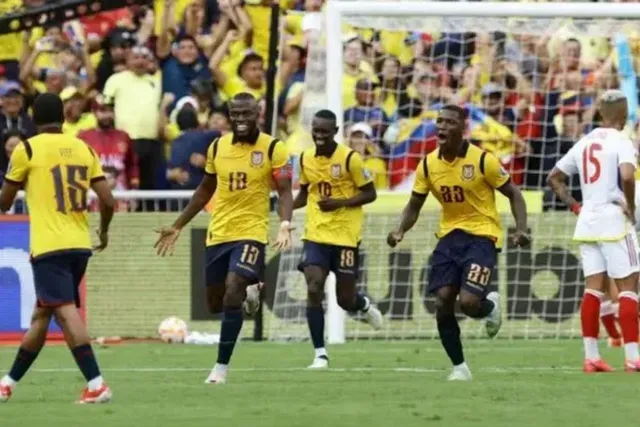
Joining the defending champions in the 2026 World Cup is Ecuador, unleashing another successful run to the finals. This qualifying campaign is particularly significant for La Tri, as they began with a three-point deduction for fielding an ineligible player during the qualifiers for the previous World Cup edition. Despite this setback, they not only secured a spot in the top six but also finished second in the standings. Losing only to table-toppers Argentina and third-place Brazil, being the side with the fewest defeats in this qualifier, Sebastian Beccacece’s side took seven wins out of 16 games played so far, scoring 13 goals and being the best side in the qualifiers defensively with only five goals leaked. They also see off their final competitive game before the next summer with a win against the holders in front of their own fans. Ecuador’s impressive form has secured their spot in their fifth World Cup in history, with this being the second time they have qualified for consecutive finals.
Colombia

Colombia fell off hugely from the standard they set in the last two years, going on a sensational unbeaten run and reaching the final of the Copa America for the first time since their winning year of 2001. After the tournament in the USA, Los Cafeteros became a shadow of their past selves, managing just two wins in 10 games. It is only in the final two games in the September 2025 international window that they redeem winning form with a crucial 3-0 victory over Bolivia and a nine-goal thriller against Venezuela, opening their passage to the 2026 World Cup. Colombia leaked the most goals among the top eight teams, yet finished third for being the second most scoring side in the qualifiers, with just three goals less than table toppers Argentina, after sharing the same points with third-placed Uruguay and Brazil in fourth. Even though Nestor Lorenzo’s men did not have the cleanest of qualifying campaigns, they will be relieved by the fact of returning to the World Cup stage after frustratingly missing out on the previous edition. This will be their seventh appearance in the finals and the third time this century.
Uruguay

Two-time winners, Uruguay, will be making their 14th appearance at the World Cup and for the fifth straight edition after finishing third in the South American qualifiers table. La Celeste played the first qualifiers post-Oscar Tavarez’s era under the tutelage of Marcelo Bielsa, but had a somewhat rough qualifying campaign. Despite starting the qualifiers with three wins, the team stuttered after finishing third in the Copa America, collecting just one win in the following nine games. However, they still had enough to pull it through with a 3-0 victory over Peru at home in the penultimate qualifying game, sealing their berth in the group stage of the finals. Reeling with inconsistency, Bielsa’s side still forked out 28 points from 18 games, eight points better than a playoff spot, collecting seven wins and 22 goals scored. Although the qualifying campaign was not encouraging, the final set of games shows some promise that Uruguay will be a better side than they were in the disappointing group stage exit in Qatar three years ago.
Brazil

Despite glaring concerns about their downfall, Brazil maintained their streak of qualifying for every single World Cup since its inception with a 1-0 win against an in-form Paraguay team in Carlo Ancelotti’s first home game in charge, with two games remaining. The Italian has become the first foreign coach in the history of the Selecao to guide them back to their glory days and he has cleared his first assignment of getting the team to the 23rd edition of the World Cup. However, qualification was not an issue for the team, but the performances were, with the 4-1 loss to arch-rivals Argentina the tip of the iceberg of their troubles. Now, with the qualification secured after Brazil amassed 28 points at the end of the qualifiers, including eight wins and scoring 28 goals, albeit conceding 17, Ancelotti have the uphill task to guide the team to their first World Cup triumph since 2002. The Selecao secured qualification before Colombia and Uruguay, but they finished ahead in the table due to superior goal difference.
Paraguay

The most sensational story from CONMEBOL qualifiers was the rise of Paraguay, who are set to feature in the World Cup again after missing out on the last three editions. The appointment of Gustavo Alfaro in August 2024 completely changed the fortunes of the team, who made a horror start to their World Cup qualifying campaign with just one win in the first five games and had one of their worst Copa America campaigns last year. The Argentinian coach brought a new enthusiasm to the squad that was reflected in their audacious run of losing just once in the remaining 12 games and securing the automatic berth to the 2026 World Cup. Initially having a poor start to their qualifying campaign, Paraguay managed to match the points tally of heavyweights like Colombia, Uruguay and Brazil, showing their tremendous revival. They finished sixth on the table due to the goal difference, but it is the least they will care about, having locked their names for a ninth appearance at the finals. Having qualified for the 2030 World Cup as one of the special hosts for the centenary edition, qualifying in this manner for the current edition only gives good signs for Paraguayan football.
CAF
Due to nine teams from Africa having a direct spot in the group stages of the 2026 World Cup, with one spot in the inter-confederation play-offs, the CAF introduced a new format in the qualification stage with 54 participating nations drawn into nine groups. Among them, Eritrea has withdrawn from the qualifiers. The winner of each group will directly qualify for the World Cup, whereas the four best group runners-up will participate in the CAF qualifying playoffs to determine which team will advance to the inter-confederation play-offs. The jeopardy of just one team from each group directly qualifying for the tournament pulled off some intense showdown, incredible results and some big giants or tournament regulars missed out.
Direct qualification
Tunisia

Making their seventh appearance in the World Cup and for the third straight time, is Tunisia, who would be aiming to be in the knockout stage for the first time in the finals after a solid qualifying campaign. The side booked their tickets with just two games remaining in the competition, stayed unbeaten and remarkably became the first side ever of any confederation to qualify for the finals without conceding a single goal. Despite changing their coach midway in the qualifiers with Sami Trabelsi taking charge in February 2025, Tunisia did not change the course of their destiny as they completed the best qualifying campaign in their history, earning nine wins out of 10 games and scoring a sublime 22 goals. The Eagles of Carthage have also been the best side in this edition of the CAF qualifying and no other African team has matched their consistency of qualifying for the World Cup in recent decades. Tunisia are among four esteemed North African sides moving into the finals in 2026.
Morocco
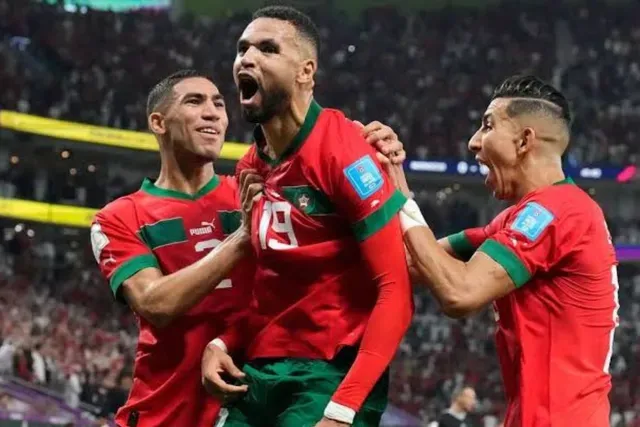
Becoming the first African team to reach the semifinals of the World Cup in 2022 and to finish fourth on the world podium, Morocco has since built on their sparkling performance as it roared into the 2026 edition in style. The Atlas Lions became the only side to finish their qualifying with a 100% winning record by winning all of their games, including the emphatic 5-0 win over Niger, which secured their seventh World Cup appearance in September 2025 with two games to spare. The remarkable campaign saw them collect 24 points from eight matches with a nine-point difference at the top, scoring 21 goals and conceding only twice. This will be the third straight appearance for Morocco at the World Cup, the first time they have achieved the feat since their debut in 1970, building on their status as Africa's highest achievers, as they will be in the 2030 World Cup too, courtesy of being the hosts alongside Spain and Portugal.
Egypt

Egypt too sealed their fifth World Cup appearance and the third on the trot in unbeaten fashion with a resounding 3-0 win over Djibouti in the penultimate qualifiers. The Pharaohs ended up with 26 points from 10 games, collecting eight wins and drawing only twice, finishing five points ahead of second-placed Burkina Faso to take the automatic spot. They scored an impressive total of 20 goals, with nine of those scored by their superstar and the CAF qualifiers’ second-highest scorer, Mohamed Salah. The Liverpool ace also provided three assists in arguably Egypt’s best qualifying campaign for the finals. Like Morocco, they conceded just two goals. The qualification also meant that Hossam Hassan became the first person in Egyptian football history to help his national team for the World Cup both as a player in 1990 and as a manager for the 2026 edition. He will now hope to manage his side to reach the knockout stage of the competition for the first time in their history.
Algeria
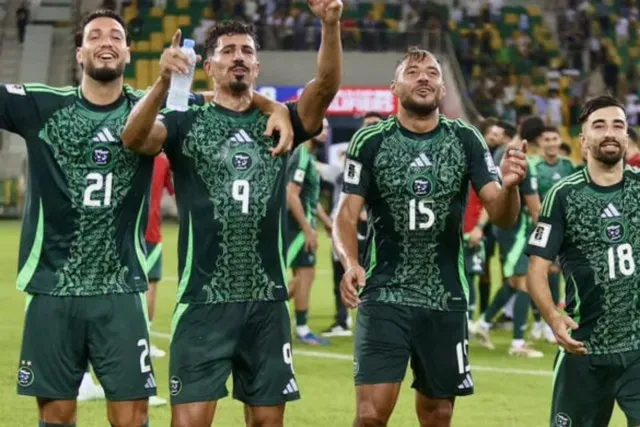
Completing the North African diaspora at the 2026 World Cup is Algeria, who, like Egypt, sealed their qualification to the finals with a game remaining. The Desert Warriors are returning to the main competition after 2014, having disappointingly missed the last two editions, with a dominating qualifying campaign. Under the management of former Switzerland coach Vladimir Petkovic, the team easily overcame the challenges in their qualifying group, earning 25 points from 10 matches with eight wins and only one loss. The side scored 24 goals, led by Mohamed Amoura, who returned as the highest goalscorer in this CAF qualifier with 10, while also providing four assists. As a result, Algeria were the second-most scoring team in the qualifying, only failing to score in the goalless draw against Guinea in September 2025 while steering clear of second-placed Uganda by seven points. The team will hope to replicate their achievement in the edition in Brazil, when they reached the knockout stage of the World Cup for the first time under another Bosnian coach in their sixth appearance at the finals.
Senegal

Senegal is one of the five teams whose qualification was not confirmed until their final game of the qualifiers. However, the Lions of Teranga were always confident of reaching their destination after being one of the sides to make an undefeated journey to the finals. Pape Thiaw, who took charge in August 2025 after long-standing coach Aliou Cissé joined Libya last year, guided the nation to 24 points, collecting seven wins and three draws and finishing two points ahead of second-placed DR Congo to secure a direct spot in the group stages of the 2026 World Cup. They were also one of the highest scoring sides with 22 goals, levelling them with other unbeaten sides like Morocco and Tunisia, with their star Sadio Mane scoring five of them. Senegal maintained their excellent qualifying record in recent times, with this being their third straight participation in the finals and for the fourth time overall since their memorable debut in 2002.
South Africa
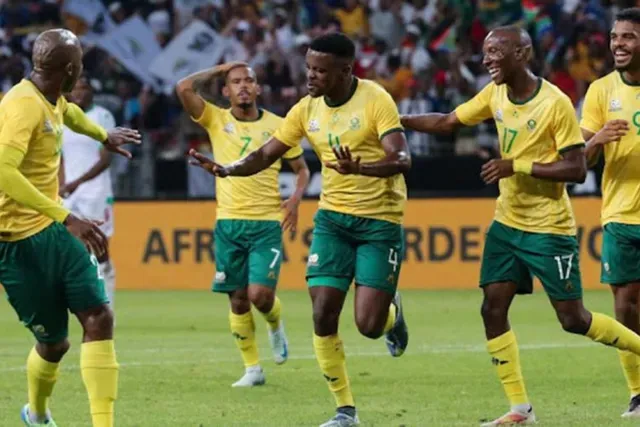
Returning to the World stage since hosting one of the memorable editions in the competition history in 2010 are South Africa. This will be the first time Bafana Bafana will be participating in the competition on merit, but they could have easily cost their qualification after a blunder in the fifth game of the qualifiers. After losing to Rwanda in the second group game, South Africa stitched together a brilliant unbeaten run, which included that 2-0 win over Lesotho. However, Hugo Broos’s team was found guilty of fielding an ineligible player, which handed them a 3-0 defeat instead. The knock-on effect of that result was Benin overtaking them to the top spot, with Nigeria also lurking behind. South Africa needed to focus on their duty of winning their final game against Rwanda in the reverse clash, while also requiring the Super Eagles to do them a favour by beating Benin to help them clinch the automatic berth. It is what materialised as Bafana Bafana picked up a convincing 3-0 win over Rwanda and with Nigeria clinching a 4-0 victory in the simultaneous game to secure the playoff spot for themselves, the path for the World Cup was sealed. South Africa ended on top with a point better than the rest and will be travelling to the USA, Mexico and Canada to offer their magic.
Cape Verde

However, the real magic of the CAF qualifiers for the World Cup belongs to Cape Verde, who scripted the ultimate fairytale by beating all odds and qualifying for the World Cup for the first time in their history. With a population of around just 596,000, the ‘Blue Sharks’ became the second smallest nation to ever qualify for the competition by grabbing the automatic spot ahead of favourites Cameroon in a stunning way. Nobody expected Cape Verde to pull off such a wonder when their unbeaten start, with a goalless draw against Angola and a 2-0 win against Eswatini, was overshadowed by a crunching 4-1 loss to Cameroon. Yet, Bubista’s players did not lose heart when they bounced back, reclaiming their solidity with a 1-0 win over Libya. Managing three more wins following the result, Cape Verde then scripted the most shocking result of the qualifiers in seeking revenge against the Indomitable Lions with a 1-0 win at home, proceeded to play a gritty 3-3 draw against Libya, before registering a 3-0 clean sweep of Eswatini to clinch history and lift an unknown nation to the world stage.
Ivory Coast

Another team from Africa making a comeback at the World Cup after 2014 with another golden generation is the Ivory Coast. Like Tunisia, the Elephants made it to the finals without conceding a single goal, but were the top-scoring side in the qualifiers, having found the net an incredible 25 times. The goals were spread among the teams, not relying on just one natural source, which demonstrated the unpredictability and cohesiveness of the side in the qualifiers. Emerse Faé’s team did not lose a single game, finishing a point above second-placed Gabon in a closely fought battle for the top spot with a 1-0 win and a goalless draw against them, making the difference. The 3-0 win against Kenya in their final qualifying game sealed their automatic spot in the finals. The Ivory Coast will be entering the World Cup for the fourth time since making their debut in 2006, in the hope of reaching the knockout stage for the first time in their competition history with a talented squad.
Ghana
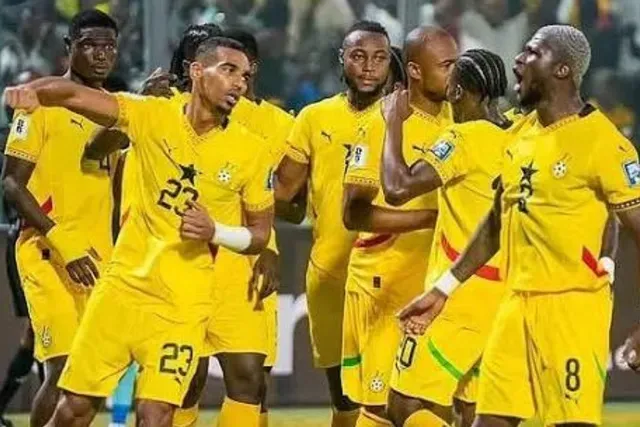
The ninth and final team to secure a direct qualification to the 48-team World Cup from Africa is Ghana. The Black Stars maintained their consistency in reaching the tournament with this being their fifth participation since making their debut in 2006. They only failed to qualify for the 2018 World Cup hosted by Russia in between. Like most other qualified teams from Africa, Ghana dominated their group after picking up 25 points from 10 games, registering eight wins, one draw and one loss while keeping a six-point gap at the top. The side led by Otto Addo also scored 23 goals, conceding just six at the same time, with the majority of the strikes coming from the evergreen Jordan Ayew with seven. Ghana will now be aiming to replace their disappointing group stage exits in their last two World Cup participation and reach the knockouts for the first time with a promising squad.
UEFA
The number of European teams was increased from 13 to 16 following the increase in teams from the 2026 World Cup. As a result, the qualification format was modified from the previous cycle, with 54 UEFA-affiliated teams drawn into six groups of four and six groups of five teams. The winner of each group will qualify for the World Cup, while the second-placed teams will advance to the play-offs, along with the four best-ranked group winners from the 2024-25 UEFA Nations League that finished outside the top two of their World Cup qualifying group. For the first time in qualifying history, no team from UEFA will be placed in the inter-confederation playoffs.
Direct qualification
England
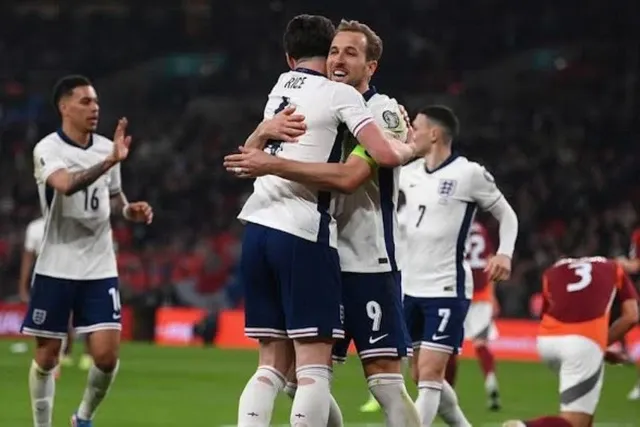
England are the first team from UEFA to secure their qualification to the 2026 World Cup in dominating style with just two games to spare. The Three Lions won each of their first six games, scoring 18 goals and remarkably conceding none to seal their path for a 17th appearance in the football’s global showpiece. Under Thomas Tuchel, the team dominated their qualification group, finishing with a seven-point lead over second-placed Albania. Only Andorra managed to limit their victory to a narrow 1-0, while others faced heavy defeats. The 1966 winners now eye an unbeaten end to the qualifiers to be in the best possible place ahead of the competition in the USA, Mexico and Canada.