
The 2026 FIFA World Cup is set to be the biggest in its history as it will be the first tournament to involve 48 teams, allowing more participants from all six confederations to have a shot at glory and etch their name forever in the tournament. An increase in teams from the previous 32-team format allowed a mix of new faces and returnees to the big stage, making it a fascinating occasion for them. However, the increase in participation does not automatically resolve issues for struggling teams and heightened competition means some of the storied names will not be seen in the tournament. Some of Africa’s powerhouses, South American flairs and ambitious European teams have found it hard to tackle the challenges of the qualifiers, even possessing world-beating talents in their squad. Their failure is due to a wide array of reasons, from squad mentality, poor management, to ineffectiveness at the board level.
Here are some of the top teams that will not be among the 48 nations that will take part in the 2026 World Cup:
Chile
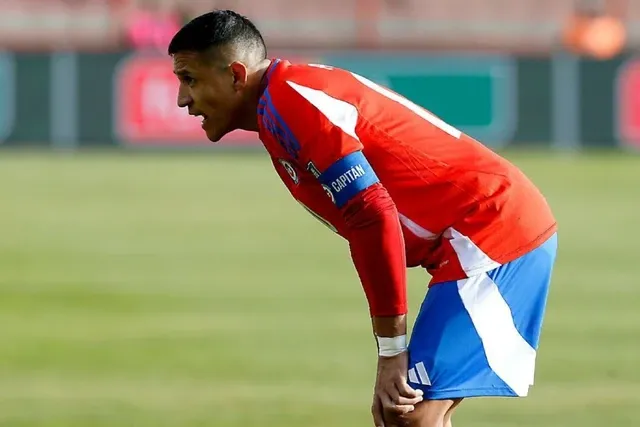
Chile, a nine-time World Cup participant, will miss the global stage for the third consecutive time after failing to qualify for the 2026 World Cup miserably. Having been the dominant force in the region just a decade ago, with their back-to-back Copa America triumphs against a giant like Argentina through a golden generation and credible performance in their last World Cup participation in 2014, the side has now turned out to be the worst team on the continent. The nation finished bottom of the pile in the South American qualifiers for the 2026 World Cup, taking just 11 points from 18 matches, managing just wins, enduring 11 losses and finishing a gasping 17 points behind an automatic spot to the finals. Just how far Chile have fallen off is indicated by the fact that they even finished 10 points behind an inter-confederation spot taken up by minnows Bolivia. Overreliant on their overage stars, Alexis Sanchez or Arturo Vidal, to perform like they did in their prime and the lack of talent acquisitions by including young, fresh blood in the team to maintain the legacy of the golden generation has led to this catastrophic downfall of the side.
Cameroon
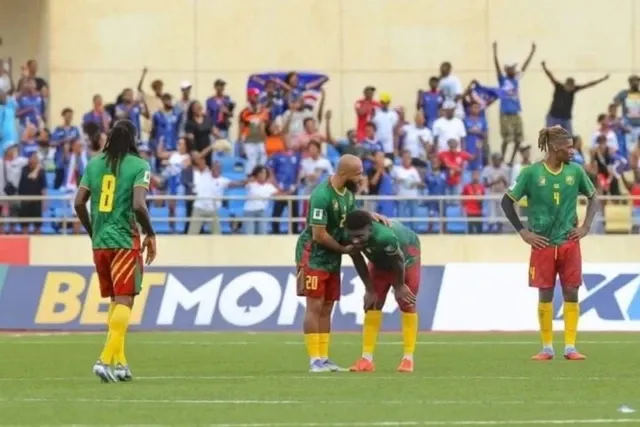
Quarterfinalists in the 1990 World Cup, led by the magic of legend Roger Milla and one of the well-known African heavyweights in the competition, Cameroon won’t be part of the pack representing the continent in the 2026 World Cup. The Indomitable Lions, who put up a spectacular show in the last World Cup despite a group stage exit, will not make their ninth World Cup appearance in the USA, Canada and Mexico, even after being placed in a particularly easy qualifying group. They finished second in the group, four points behind Cape Verde, who scripted a remarkable fairytale in booking a direct spot for their first World Cup in history. This was shocking for the side as they started the qualifiers on a high note, even beating Cape Verde 4-1 in the home fixture, but it quickly went downhill from there as their disappointing away form, including a shock loss to the leaders in the reverse clash and even drawing with winless Eswatini, condemned them to a playoff spot. However, they jinxed that path to the finals as well by losing to DR Congo in the final minutes of the tie, who eventually secured the inter-confederation playoff spot. Despite having Premier League stars like Carlos Baleba and Bryan Mbeumo, they failed to get the job done.
Serbia
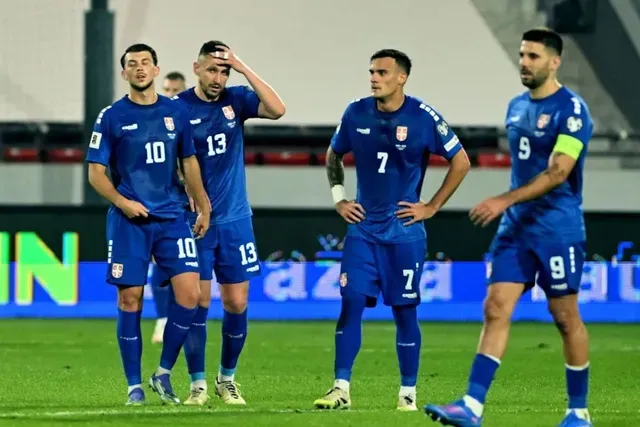
A nation that has failed to get the best out of its golden generation is Serbia who, after a frustrating group stage exit in the previous two World Cups, will miss the competition altogether in the 2026 edition. This comes as a massive disappointment for the squad that sustains some excellent talents like Nikola Milenkovic, Strahinja Pavlovic, Lazar Samardzic and Dusan Vlahovic, now left to watch the tournament back at home after finishing third in their qualifying group. Runaway leaders, England was difficult to catch, but they were even beaten to second place for the playoffs by a point by Albania. Serbia was only able to beat the two worst teams in their group, namely Andorra and Latvia and lost twice to the Three Lions and against Albania at home in a forgettable campaign for them. The defeat against the latter pulled the plug on Dragan Stojkovic’s tenure with the Serbs, but by then it was too late, as he failed to help the Eagles reach their full potential in his four-year spell.
Hungary
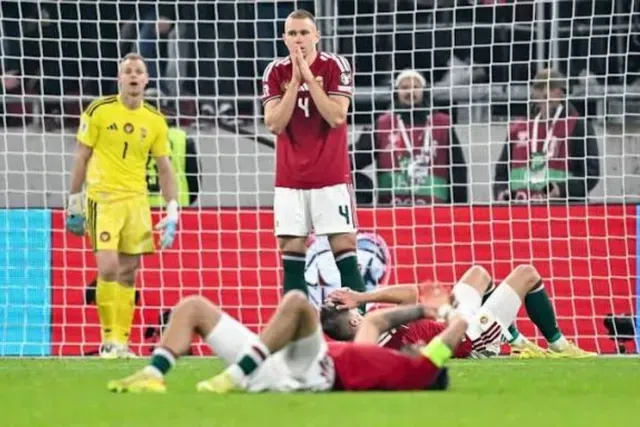
Once a powerhouse in international football and World Cup history, finishing as runners-up twice in the tournament in their nine appearances, Hungary will miss the 10th World Cup in a row after failing to get into the 2026 World Cup. The recent qualifying campaign for the Magyars will hurt the most, as they were close to ending their long drought of not being at the global stage, but they lost it at the last moment in the final game. Led by the remarkable Dominik Szoboszlai, who contributed four assists and a goal in a remarkable individual campaign in the qualifiers, Hungary registered eight points from six games, losing just once and only needing a draw against Ireland in the last game to seal a playoff spot, as Portugal was destined to take the top spot. However, even after being 2-1 up with 20 minutes to go, they lost the match in stoppage time to the Irish, who overtook them to the second spot, killing their World Cup dreams. They will have to wait for more years to rekindle their hopes of clearing their standoff and make it to the grand stage.
Nigeria
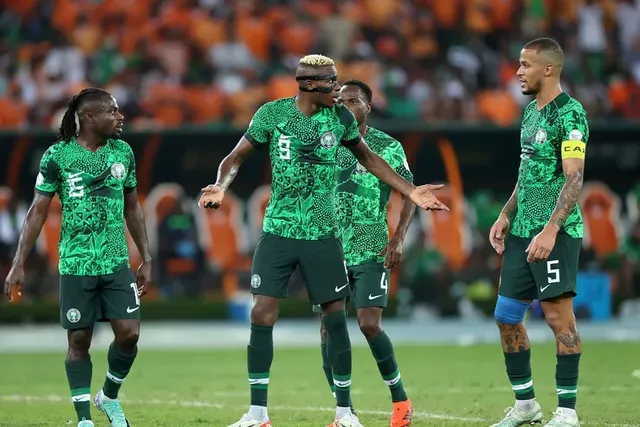
Another top name, who has made six appearances at the World Cup, not making the flight to North America for the showpiece is six-time World Cupper Nigeria. Although the Super Eagles missed the previous edition in Qatar, failing to qualify for the premier competition again for the 2026 edition will hurt more because of the star-studded squad they possessed, with some of the best talents in almost every position. They got off to the worst possible start to their qualifying campaign, failing to win their first four games, but they managed to turn their tide around with one of the finest strikers in the world currently, Victor Osimhen, leading the charge. Eventually, they finished second by thrashing Benin 4-0 in the final group game, with a point behind South Africa in a closely contested battle. Their form looked encouraging and after defeating another top side in Gabon 4-1 in the playoff semifinal, Nigeria seemed to be turning things around well. However, the lingering issues surrounding Nigerian football were exposed at the crucial moment when they lost to DR Congo in the playoff final on penalties, with Osimhen injured early and the chance for entering the inter-confederation playoff gone. Therefore, the Super Eagles were left deserted again in their pursuit to be on the global stage.
Costa Rica
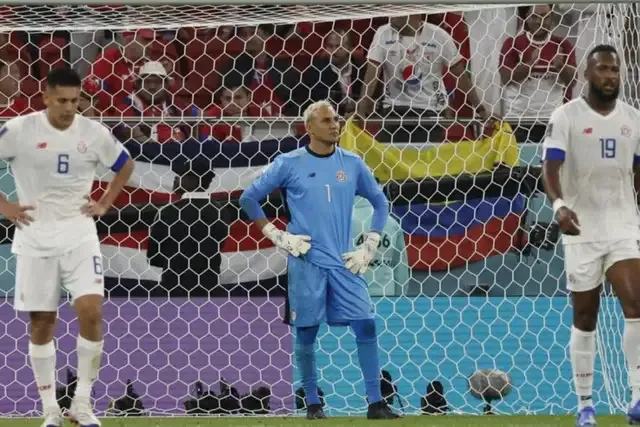
Almost had the world at their feet in the 2014 World Cup in Brazil, where they scripted one of the biggest fairytale stories by reaching the quarterfinal stage and narrowly losing out on penalties, Costa Rica has now failed to qualify for the world stage in 2026 after appearing for three straight editions. With the three heavyweight CONCACAF nations, Canada, Mexico and the USA receiving automatic spots as hosts of the tournament in June this year, many tipped Los Ticos to make the tournament more easily this time. However, they fell flat on their expectations after losing out on the top spot to Haiti, not only a below-ranked side but also one that hasn’t played at home for half a decade due to civil war in the nation. Far worse, Costa Rica even failed to earn a spot in the inter-confederation playoffs with a miserable third-place finish in their group. They started the final qualifying round with two disappointing draws and even though a 4-1 victory against the bottom-placed Nicaragua brought some hope, everything came crashing down after a 1-0 defeat to the eventual group winners and another frustrating stalemate against second-place Honduras in the final game.
Poland
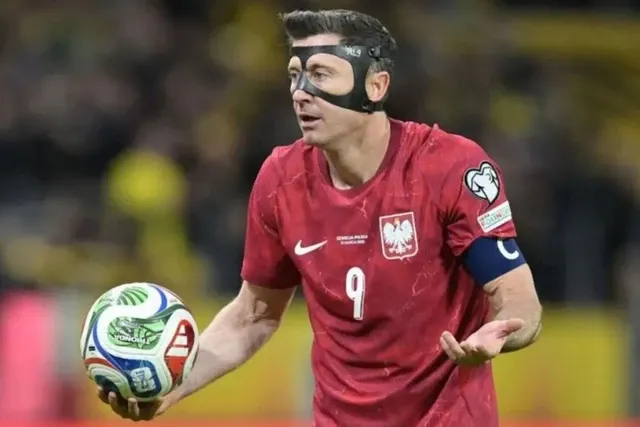
Despite making it in the last two competitions, Poland has failed to qualify for the World Cup for the first time since 2014 after being beaten by Sweden for the spot in the UEFA playoffs. The Eagles did not have an underwhelming qualifying campaign by any means, like most others who failed to qualify for the finals. Instead, they battled the Netherlands, who got the automatic spot, well in their group, drawing both games against them and winning the rest of the games, except for a freak loss to Finland, to finish second to grab the playoff spot. There, they overcame Albania’s challenge at home, registering a 2-1 comeback victory before travelling to Sweden for the playoff final. With Graham Potter’s side failing to win a single game in the qualifiers and only making it through to the playoffs due to their Nations League rankings, Poland would have fancied their chances, but they lost a five-goal thriller in the dying moments of the game to bow out of contention. This also means Robert Lewandowski won’t be making the plane to Mexico, USA and Canada in what would have been his last World Cup in his career.
Denmark
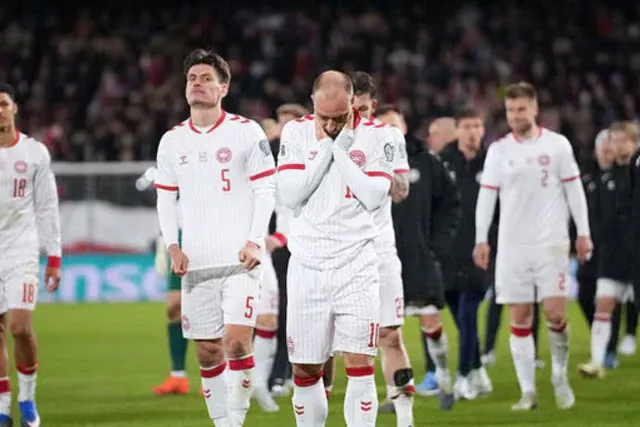
Another World Cup regular who won’t be among the 16 UEFA teams participating in the 48-nation tournament is Denmark, after they too lost in the playoffs. The Danish Dynamites qualified for the last two editions, six overall and looked to be increasing that tally after being drawn into a comparatively easy group with Belarus, Greece and Scotland, the latter not seen the World Cup stage for 28 years. However, after starting the qualifiers with three wins and a draw, Brian Riemer’s team shockingly drew 2-2 to 97th-ranked Belarus at home and then lost a dramatic 4-2 game against Scotland to lose the automatic spot to the Tartan Army. Denmark still had the opportunity to make it to the World Cup through the playoffs, also being handed an easy pathway. After seeming to redeem their form in demolishing North Macedonia 4-0 in the playoff semifinal at home, they once again failed miserably, drawing 2-2 with the home side, whose last World Cup appearance came in 2006 and losing on penalties to end their dreams. Like Lewandowski, the Danish great Christian Eriksen, who was the only player to score in the 3-1 shootout loss, will sit at home in what probably could have been his final tournament for the national side.
Italy
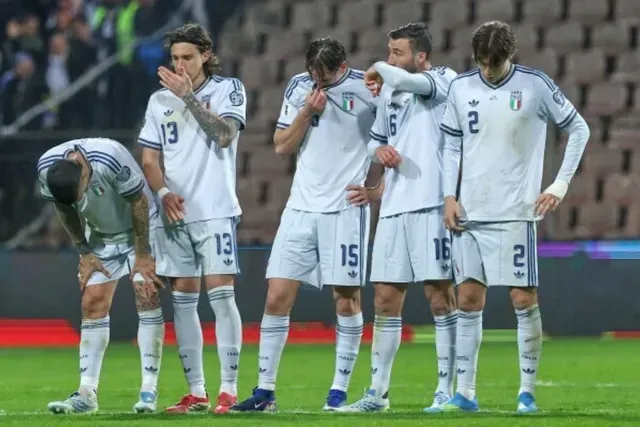
Those who thought that Italy would finally break their curse of not qualifying for the World Cup after the heartbreaks of Sweden and North Macedonia in the previous two editions were proven wrong again. The Azzurri became the first World Cup winner to miss three tournaments in a row after getting beaten by Bosnia & Herzegovina on penalties in the UEFA playoffs, as Italian football sinks deeper and deeper into crisis. They missed the automatic spot again, losing 3-0 to Norway in the opener, which led to the sacking of Luciano Spalletti and appointment of 2006 winner Genaro Gattusso but he couldn’t avoid the inevitable downfall as the side lost 4-1 in the home tie to settle for a playoff spot. Even though it is a Norwegian team who are in a golden generation led by world-class striker Erling Haaland, there was no excuse for Italy not to win their qualifying group, but they still had a second chance to be in the tournament this summer. However, the Azzurri failed to shake off the ghosts of their past as they lost to Bosnia in the playoff final, after defeating Northern Ireland at home in the semis, despite taking the lead in the game. Alessandro Bastoni’s disastrous red card opened the gates for Bosnia to climb back in the game and beat the visitors 4-1 in the shootout to progress to the finals for the first time since 2014, also the last time that Italy was on the world stage.