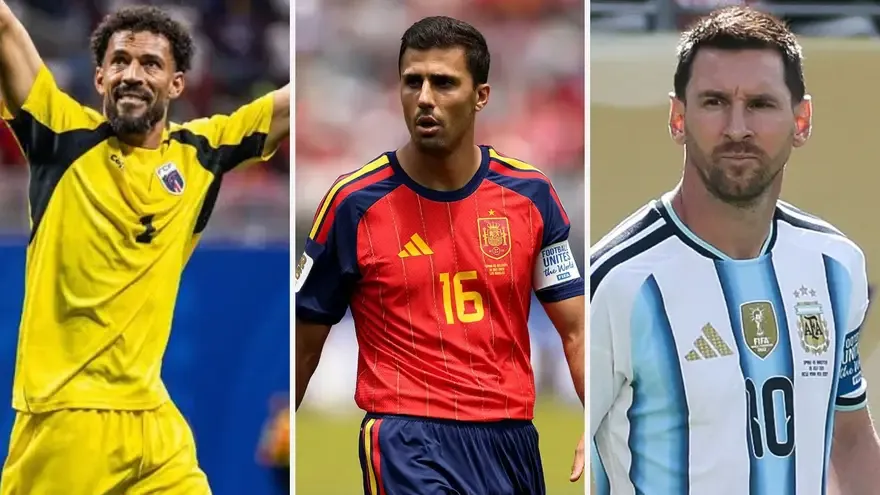
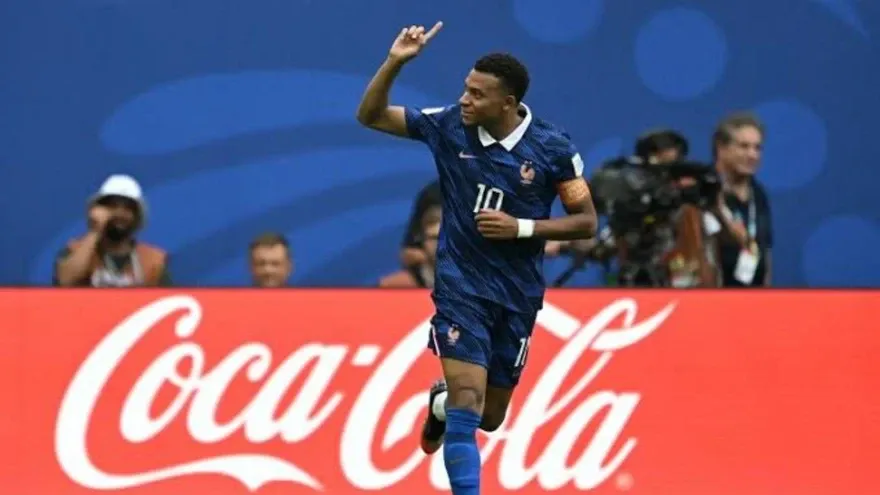
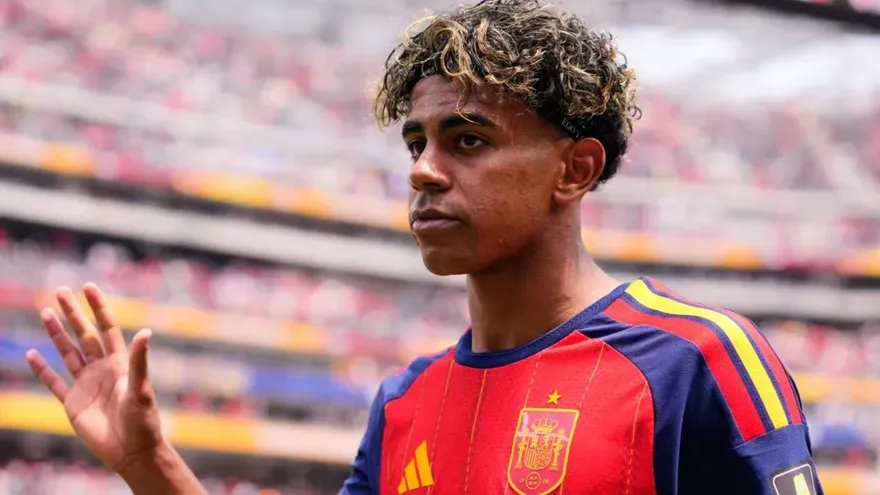
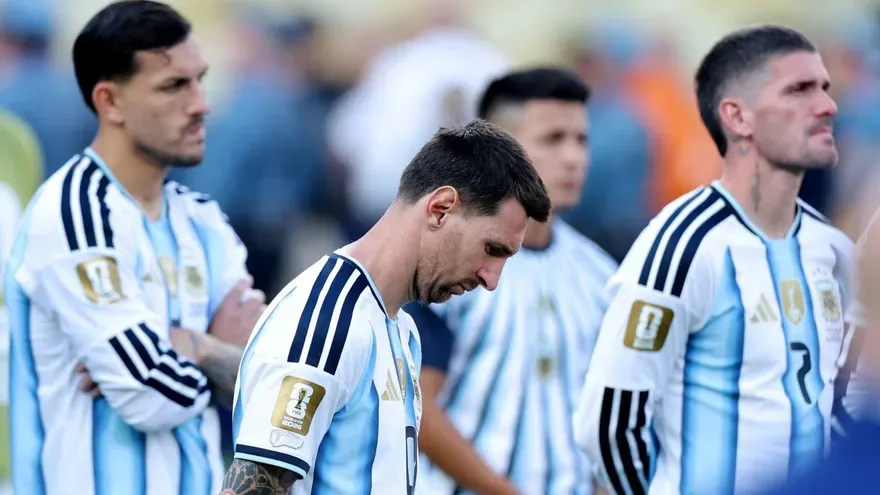
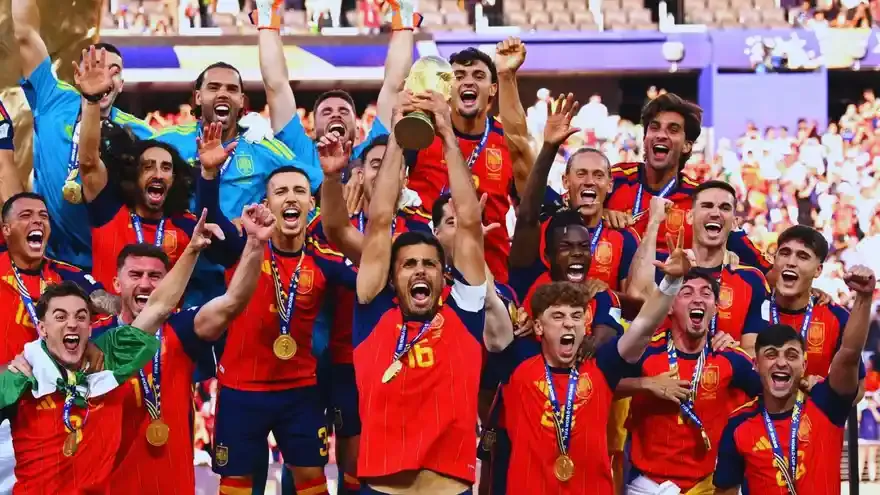
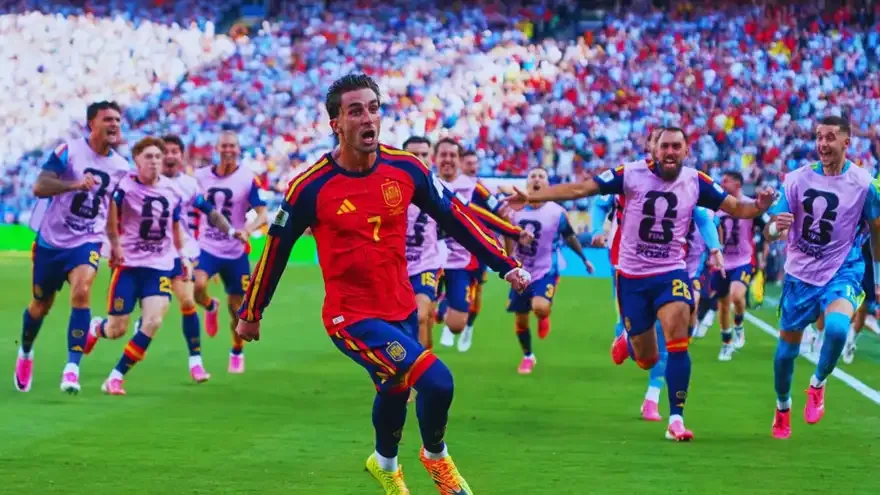
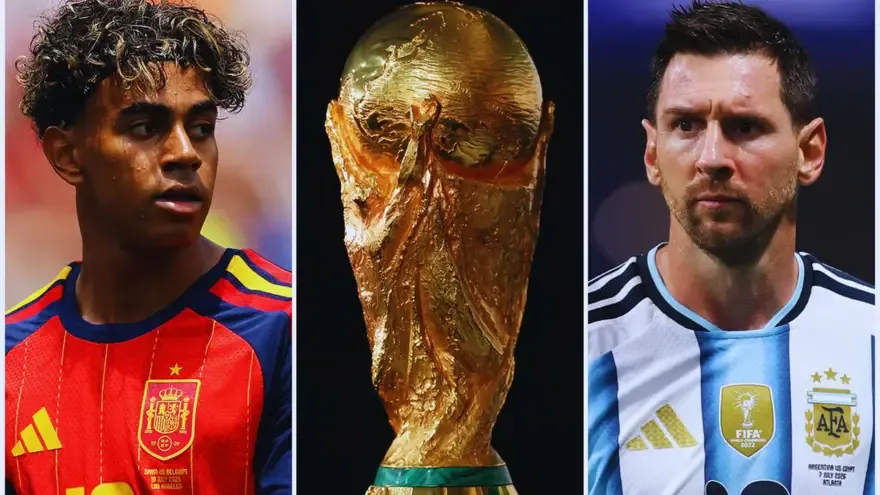
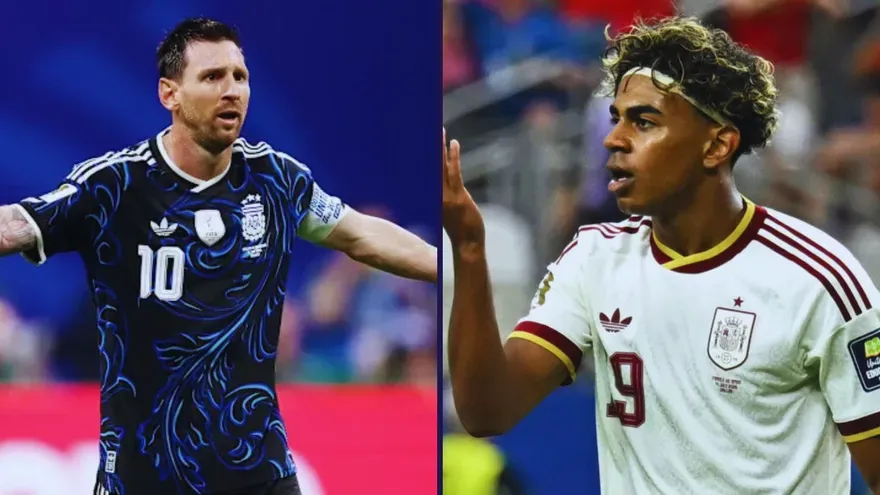
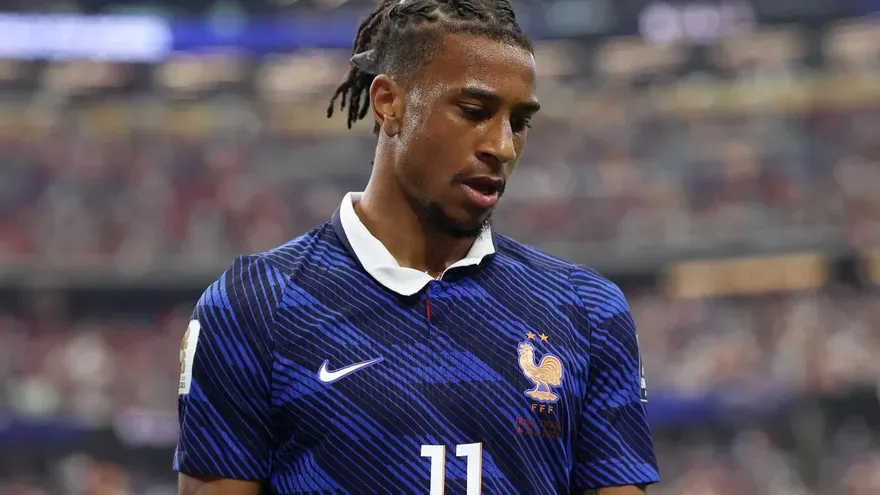
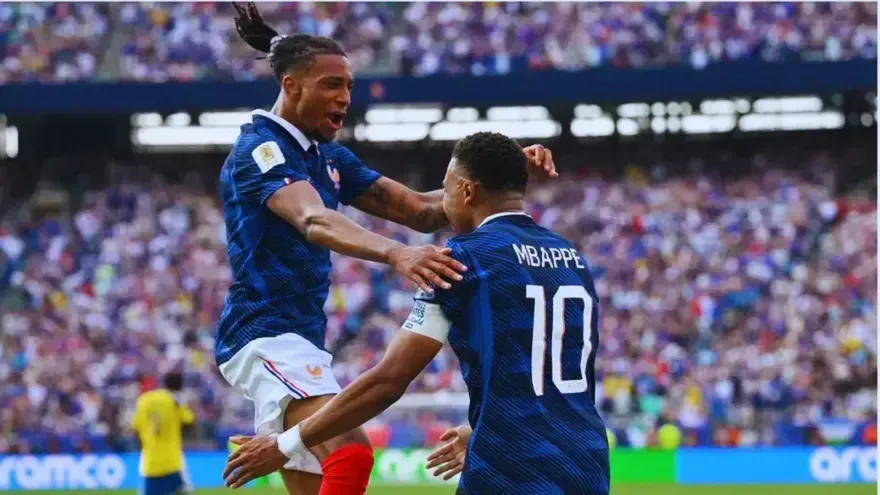
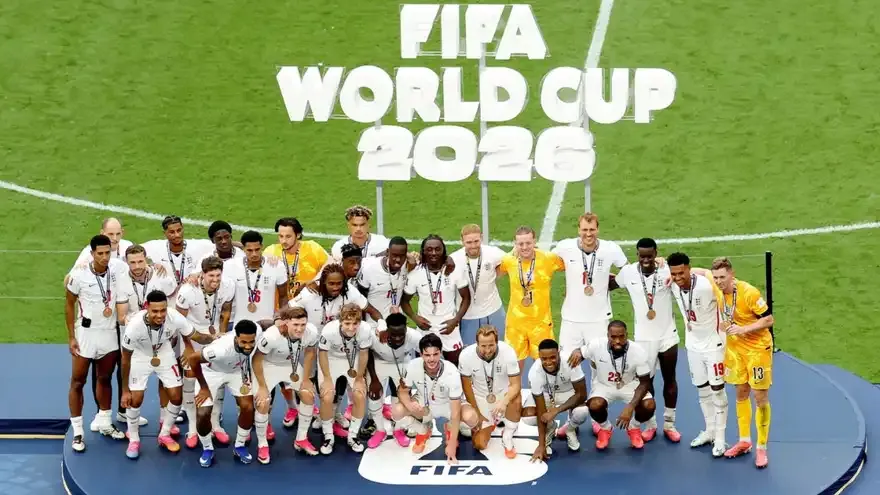
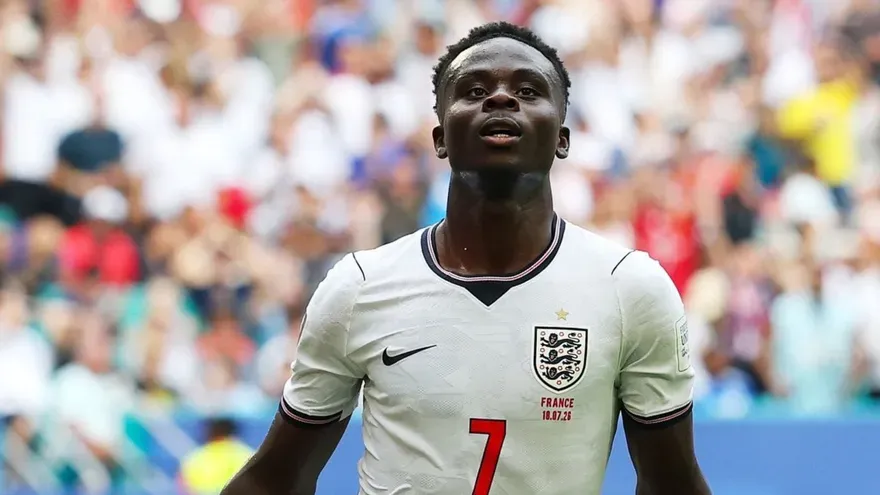
Every FIFA World Cup serves as both a beginning and an ending. While young stars use football's biggest stage to announce themselves to the world, the tournament also provides a final curtain call for some of the sport's most celebrated names. The 2026 FIFA World Cup in the United States, Canada and Mexico is expected to be the last appearance on the grandest stage for a generation of footballers who have defined an era. From record-breaking goal scorers and Ballon d'Or winners to national icons and modern legends, several players heading to North America will do so knowing that another World Cup is unlikely to await them four years later.
Some will seek to add one final chapter to already glittering careers, while others will hope to achieve the one accomplishment that has remained elusive throughout their journeys. It is likely to be their final opportunity to wear their nation's colours on football's biggest stage. Some will depart as champions while others may leave with unfinished business. Yet all of them have already shaped football history. The 2026 World Cup will not simply introduce the next generation. It will also provide a fitting farewell to some of the greatest players the game has ever known.
Here is a look at some of the biggest names expected to play at their final FIFA World Cup in 2026:
Yuta Nagatomo (Japan)
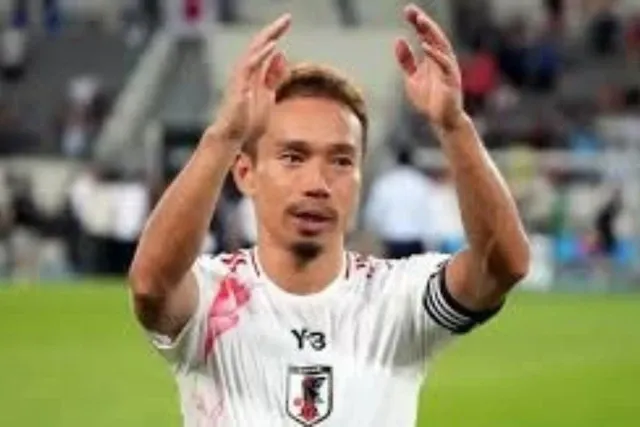
When the selection call for Japan for the 2026 World Cup rang out, Yuta Nagatomo was in tears when his name was included in the roster. The veteran full-back will play his fifth World Cup in his career, which no other Japanese or even Asian player has done before. He is only the ninth player globally to do so in the competition’s history. A remarkable achievement for the 39-year-old, who is known for his years at Italian giants Inter and of course, for the Blue Samurai. Few players have embodied consistency and longevity quite like Nagatomo. Having debuted at the 2010 World Cup in South Africa, he has witnessed first-hand the country's transformation from ambitious underdogs into a side capable of troubling the world's elite. Nagatomo's international career has spanned generations, having played alongside established legends and rising stars alike, serving as a bridge between different eras of Japanese football. However, this certainly will be his final World Cup as he curtains down an excellent career.
Edin Dzeko (Bosnia & Herzegovina)
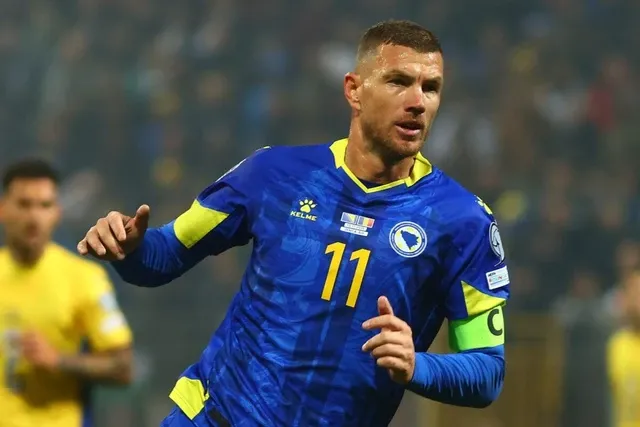
The last time Edin Dzeko played in a World Cup, he was aged 28 when Bosnia & Herzegovina qualified for their first-ever tournament at the 2014 edition hosted in Brazil. His goals were pivotal back then for his nation to achieve that piece of history. Now, the 40-year-old captain has led Zmajevi back to ṭhe global stage after 12 years and it will be an emotional competition for him. Džeko has been the face of Bosnian football for nearly two decades and remains the nation's all-time leading goalscorer. Even in the latter stages of his career and with new upcoming stars in the team, he continues to be the symbol of Bosnian football. Džeko has enjoyed success wherever he has played, winning league titles in Germany and England while establishing himself as one of Europe's most reliable forwards. Yet his greatest legacy may lie in what he has done for Bosnia. The 2026 edition would almost certainly be his final World Cup appearance and a deserved farewell to one of the Balkans' finest footballers.
Son Heung-Min (South Korea)
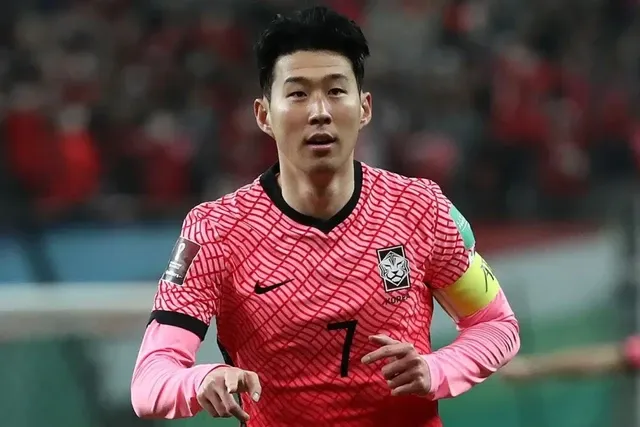
For South Korea, Son Heung-min has become much more than a footballer. The Tottenham Hotspur forward has carried the expectations of an entire nation throughout a career that has established him as one of Asia's greatest-ever players. Blessed with pace, intelligence and clinical finishing, Son has repeatedly delivered on the biggest occasions for both club and country. His World Cup journey has featured memorable moments, including South Korea's dramatic qualification for the knockout stages in Qatar and his clincher in the famous 2018 win over Germany. Throughout those campaigns, he remained the emotional and tactical leader of a team determined to compete with the world's best. The 2026 tournament is likely to be Son's final appearance on football's grandest stage. While South Korea continues to produce talented players, replacing a figure of his stature will not be easy. His farewell will mark the end of one of the most influential careers in Asian football history.
Mohamed Salah (Egypt)
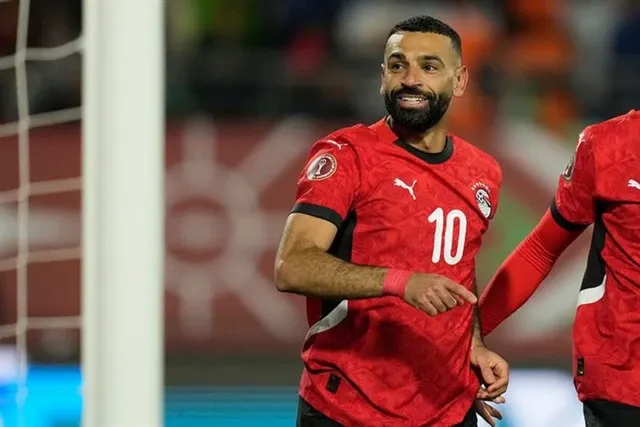
Since emerging as a global superstar at Liverpool, Mohamed Salah has become both a sporting icon and a symbol of national pride for Egypt. His achievements in European football transformed perceptions of Egyptian players and inspired millions across Africa and the Middle East. Few athletes command the admiration that Salah brings. Yet despite all his club success, the World Cup has remained a largely unfulfilled chapter in his career. Injury disrupted his participation in 2018, while Egypt narrowly missed out on qualification for Qatar 2022. Now back on the biggest stage, Salah finally has the opportunity to leave a lasting World Cup legacy by leading Egypt to their first-ever victory in the competition. At 34 years old, he will arrive in this summer’s event both as Egypt's talisman and one of Africa's most celebrated footballers. For a player who has conquered nearly every challenge at the club level, a memorable campaign in North America would provide the perfect ending in the final World Cup of his career.
Sadio Mane (Senegal)
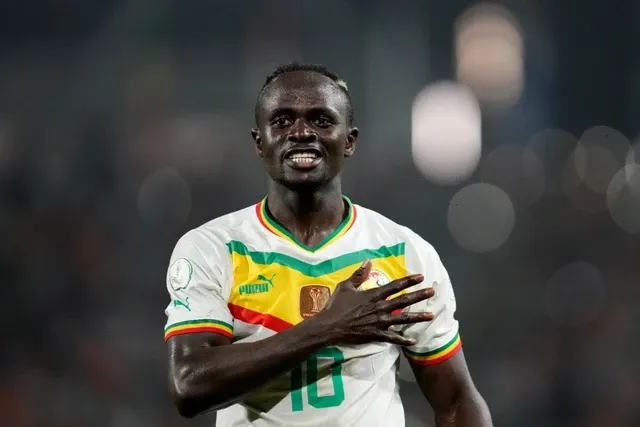
Sadio Mané's influence on Senegalese football extends far beyond statistics. Salah’s former teammate at Liverpool, the forward, played a central role in the most successful era in the nation's football history, helping Senegal win the Africa Cup of Nations twice, if the 2026 showpiece is taken into consideration and consistently challenge the continent's traditional powers. His leadership and humility made him one of the most respected figures in African football. At the World Cup, Mané has often carried the hopes of a nation eager to emulate the achievements of the famous Senegal side that reached the quarter-finals in 2002. Whether through goals, assists or sheer determination, he has repeatedly delivered when his country needed him most. The 2026 tournament is likely to represent Mané's final opportunity to guide Senegal on football's biggest stage. Regardless of the outcome, his place among Africa's modern greats is already secure.
Guillermo Ochoa (Mexico)
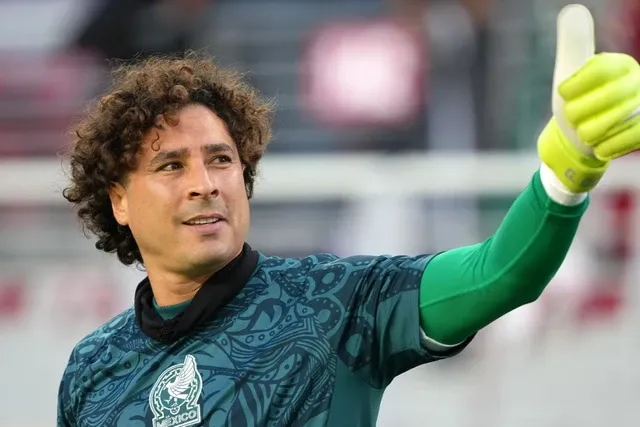
There are World Cup legends, and then there is Guillermo Ochoa. The Mexican goalkeeper has become synonymous with the tournament itself, producing a series of unforgettable performances against some of the strongest teams in the world. His displays against Brazil in 2014 and Germany in 2018 elevated him into football folklore and cemented his reputation as one of the competition's ultimate specialists. What makes Ochoa's story even more remarkable is his longevity. The 2026 World Cup could see him join the exclusive club of players to feature in six different editions of the tournament. Fittingly, his final appearance would come on home soil as Mexico co-hosts the competition. Few farewells could be more poetic for a player whose name has become inseparable from World Cup history.
Manuel Neuer (Germany)
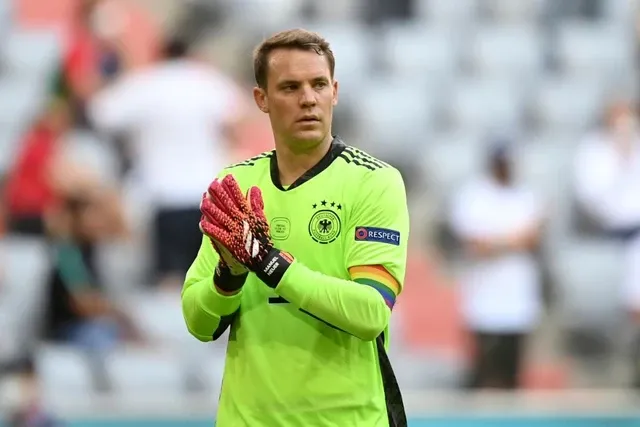
The story of Manuel Neuer is interesting. The legendary goalkeeper announced his retirement from international duties after the conclusion of Euro 2024, but then was called up by Germany’s head coach, Julian Nagelsmann, for the 2026 World Cup roster due to his unending heroism with Bayern Munich, especially in the Champions League, helping them to a sensational season. A World Cup winner in 2014, Neuer changed the way goalkeeping is understood. The German captain revolutionised the modern goalkeeper's role, came to be known as sweeper keeper, through his extraordinary ability with the ball at his feet. Beyond his tactical influence, Neuer has been a symbol of leadership and consistency for more than a decade. He has experienced both the highs of lifting the trophy and the disappointment of Germany's recent struggles. At 41 years of age, it is surely his final appearance at football's greatest event and he is called up to break Die Mannschaft’s unwanted streak of group stage exits in the last two finals.
Ivan Perisic (Croatia)
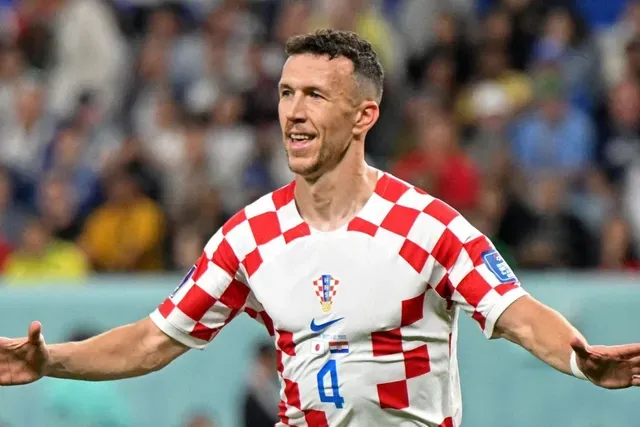
Ivan Perišić has often operated in the shadow of Luka Modrić, yet his importance to Croatia's golden generation cannot be overstated. Time and again, Perišić delivered decisive performances when the stakes were highest. He scored in a World Cup final, produced crucial goals in knockout matches and consistently rose to the occasion in major tournaments. His versatility, work rate and knack for producing moments of quality made him one of the most dependable players of his era. While others attracted greater attention, Perišić remained the reliable engine that helped drive Croatia to unprecedented heights. His versatility, work rate and knack for producing moments of quality made him one of the most dependable players of his era. The fact that he was involved in the most goals scored by his nation in the qualifiers at the age of 37 to qualify for the 2026 edition tells all about his class and consistency. A final World Cup appearance would serve as a deserved reward for a player who has contributed enormously to the greatest period in Croatian football history.
Luka Modric (Croatia)
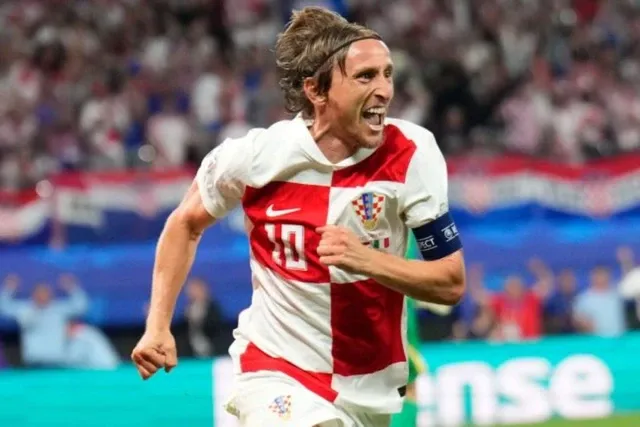
When future generations discuss Croatian football, Luka Modrić's name will stand above all others. The midfield maestro transformed a small nation into a global football powerhouse, leading Croatia to the 2018 World Cup final and a third-place finish four years later. He won the Golden Ball at the tournament for his stunning display and also earned a Ballon d'Or with universal admiration.His elegance on the ball, tactical intelligence, relentless competitiveness and consistency have made him one of the greatest midfielders of his generation. Modrić's greatest achievement, however, may be the belief he instilled within Croatian football. Under his leadership, Croatia repeatedly challenged nations with far greater resources and populations. Even with younger stars emerging around him, he will remain the heartbeat for the nation in North America. The 2026 World Cup is expected to be his final appearance on the international stage, which will bring the curtain down on one of the most remarkable international careers.
Neymar (Brazil)
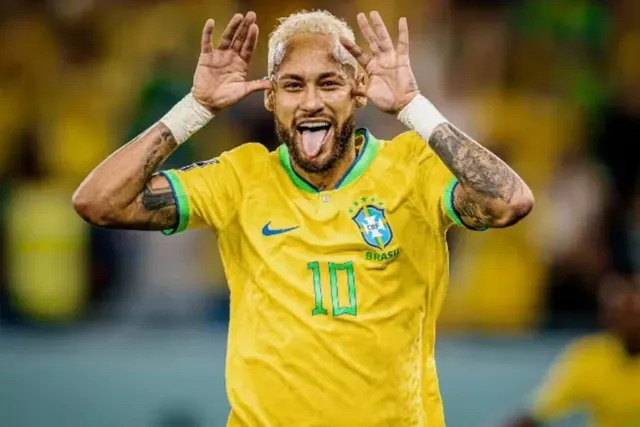
Neymar burst into tears when he was named in the 26-man roster for Brazil in the 2026 World Cup after long speculation about whether he would be part of the squad following years of injury. For more than a decade, the former Barcelona and PSG star has been the face of Brazil and their leading man. Neymar has been the all-time top goal-scorer for the Selecao and ranks second in appearances for the side. From the moment he emerged as a teenage sensation, expectations followed him everywhere. While his career has featured extraordinary moments of brilliance, it has also been marked by injuries and near misses on the international stage. The World Cup has been a particularly emotional journey. The terrible back injury suffered in his debut tournament hosted on his home soil in 2014 and the repeated quarterfinal heartbreaks in the next two editions that followed. As Brazil once again chases a sixth world title, Neymar, aged 34 now, is likely approaching his final opportunity to achieve the dream that has defined his international career. Carrying fitness struggles, he would like to defy the odds to emulate the achievements of Brazilian greats such as Pelé, Romário and Ronaldo Nazário by lifting the World Cup trophy.
Cristiano Ronaldo (Portugal)
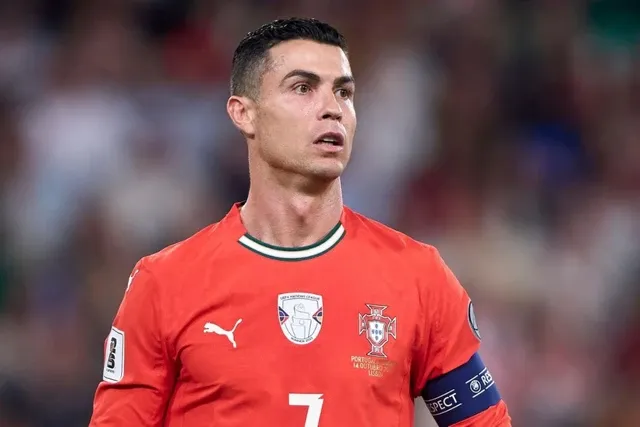
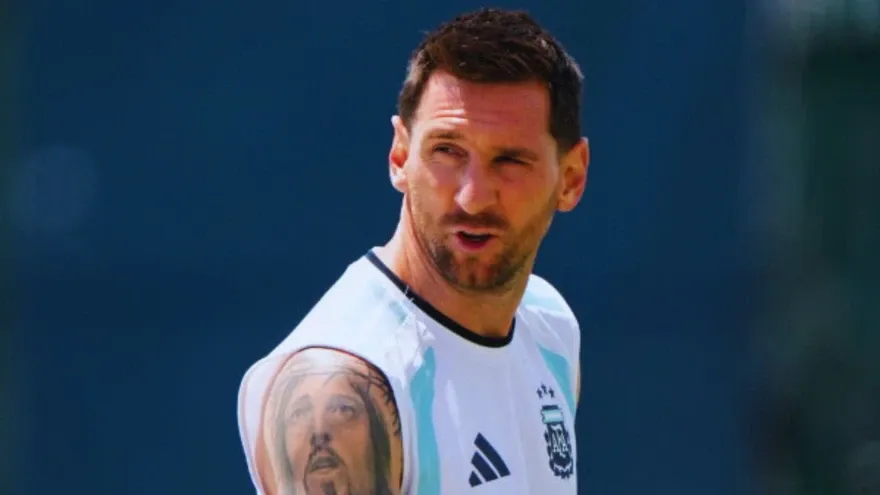
In the constant debate of who is the best, Cristiano Ronaldo saw his counterpart in the mesmerising football rivalry that defined a generation, Lionel Messi took the World Cup home four years ago and might well settle the debate. But if Messi's story is one of fulfilment, Ronaldo's is one of relentless ambition as he looks to equal the Argentinian’s feat in North America in possibly his joint record sixth and final World Cup of his illustrious career. The Portuguese superstar has spent two decades redefining standards of longevity, professionalism and goalscoring excellence. From his breakthrough at Euro 2004 to becoming international football's all-time leading scorer, Ronaldo has consistently rewritten the record books. Despite helping Portugal win the European Championship and UEFA Nations League, the ultimate international crown has remained beyond his grasp. Still scoring goals for fun at the age of 41 and battling to reach the 1000 goal milestone, it is unlikely to have another opportunity after 2026. Whether Portugal lifts the trophy or not, the tournament will provide one last opportunity to witness one of football's most relentless competitors on its biggest stage.
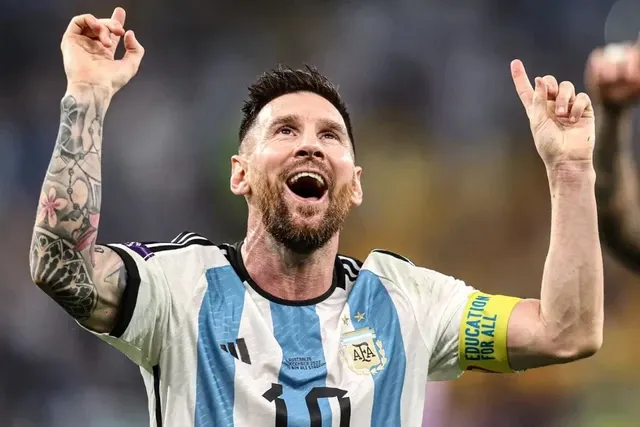
Lionel Messi (Argentina)
Also Read |