
The 2026 FIFA World Cup will redefine the scale and spectacle of international football. For the first time in history, the tournament will feature 48 national teams and will be jointly hosted by three nations: the United States, Mexico, and Canada. Spread across 16 cities and thousands of miles, the competition promises a unique blend of cultures, climates and football traditions. Yet beyond the players and the matches, the stadiums themselves will become central characters in the story of the tournament. FIFA’s strict ‘clean stadium’ policy means every venue with corporate branding will temporarily adopt the city names the architectural beauties are based on throughout the World Cup. Under the global spotlight, these arenas will transform into cathedrals of football capable of hosting unforgettable moments, historic upsets, and iconic games in the competition's history.
Each stadium carries its own personality. Some are technological marvels, some are acoustic fortresses, while others embody the culture and identity of their cities. Together, they form the largest and most extravagant collection of World Cup venues ever assembled. Obviously, the USA will have the majority of the venues, with 11 of the 16 venues in the competition, with many of them originally designed for NFL games now restructured to host the biggest event in football. Mexico has the next highest number of stadiums listed to host the 2026 World Cup, with three, but the ones that carry the most history and legacy of the World Cups out of any venues in the competition this summer. The other co-host, Canada, will have two stadiums for the 2026 tournament, which will provide a fan-centric colosseum, showcasing the growth of the game in the nation.
Canada FIFA World Cup 2026 Stadiums
Vancouver Stadium
World Cup Capacity: 48,800
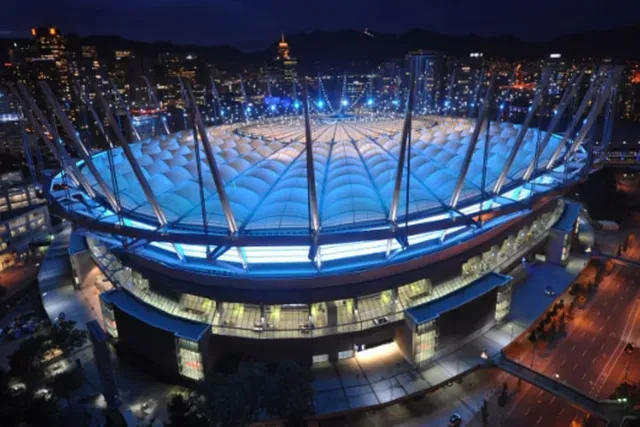
Operating normally as BC Place, Vancouver Stadium stands as one of the most visually striking arenas in North America. Located beside the scenic False Creek waterfront, the stadium combines modern engineering with a dramatic urban setting. Its signature retractable roof, supported by an advanced cable system, gives the structure a futuristic appearance while also protecting fans from the region’s unpredictable weather. Inside, the venue’s suspended centre-hung video display creates an immersive viewing experience. The stadium’s crown-shaped exterior columns have become a defining symbol of Vancouver’s skyline, particularly when illuminated at night.
The atmosphere during World Cup matches is expected to be electric. Vancouver possesses one of Canada’s strongest football cultures, fueled by the passionate support for the Vancouver Whitecaps FC. The city’s multicultural population also guarantees strong backing for numerous international teams. Fans are expected to create a vibrant, festival-like environment unique to the Pacific Northwest in the 48,800-capacity stadium. Vancouver Stadium will host several group-stage fixtures of Group D, Group G and of course, Canada’s two games in Group B against Qatar and Switzerland. It will also host two knockout matches of the competition, including a 'Round of 32' and a 'Round of 16' match.
Toronto Stadium
World Cup Capacity: 44,300
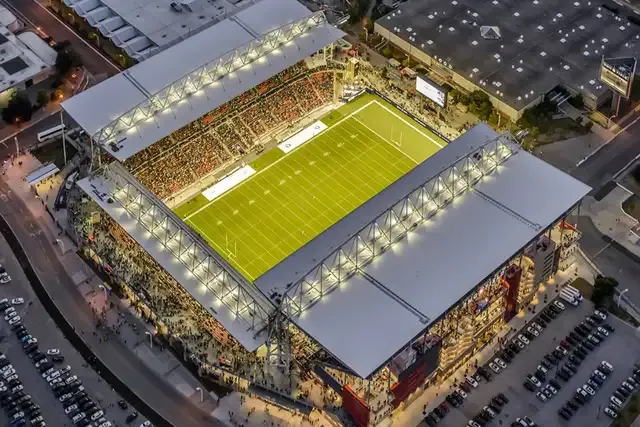
Known year-round as BMO Field, Toronto Stadium is the smallest venue of the tournament, but perhaps one of the most atmospheric. Built specifically with soccer, or football, in mind, the stadium offers a classic English-style layout where supporters sit remarkably close to the pitch. Temporary expansions have increased its seating capacity for the World Cup, yet the venue retains its intimate feel. Unlike many oversized NFL stadiums, Toronto Stadium prioritises fan engagement and direct connection to the action on the pitch. The stadium has become the spiritual home of Canadian football, especially following the rise of the Toronto FC and Canada’s growing prominence on the international stage.
Matches played here are expected to feel intense and personal, with crowd noise echoing directly onto the field. The stadium will create history when it hosts Canada’s first World Cup game on home soil when they face Bosnia and Herzegovina on 12 June 2026. Not only that, but the biggest city in the nation will also witness several other exciting games at the venue, including the four-time winners, Germany, taking on the Ivory Coast in Group E, while two Group L games and one Group I are also scheduled here. Toronto Stadium will also host one Round of 32 game on 2 July 2026, as it wants to be a venue that leaves a lasting impression on fans with a capacity of 44,300.
Mexico FIFA World Cup 2026 Stadiums
Mexico City Stadium
World Cup Capacity: 83,000
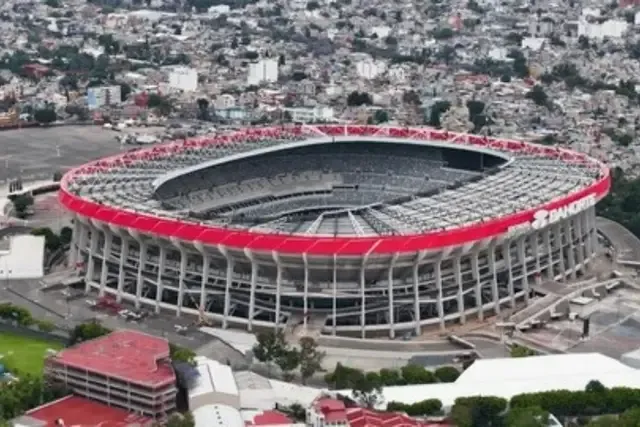
While the modern marvels will be looking to create history by hosting this gigantic tournament for the first time, Mexico City Stadium will pride itself on the huge legacy it carries from the previous two editions of the World Cup that were hosted in Mexico. Otherwise known as Estadio Azteca, few venues in world football possess the legends the stadium carries, where some of the best and most talked about moments in World Cup history took place. This iconic arena is a sacred ground, having hosted the biggest moments of the sport’s two greatest athletes. It has seen Pele and Brazil’s triumph in hammering Italy 4-1 in the 1970 World Cup and also Diego Maradona's ‘Hand of God’ and the ‘Goal of the Century’ against England in the 1986 World Cup.
The stadium’s geographical location is also its unique feature. Towering high above sea level at 2,200 meters, the altitude alone creates a competitive challenge. Other than co-host Mexico, the teams are expected to struggle with stamina and recovery due to the thin air, making Mexico City one of the intimidating places to visit in the 2026 tournament. It's enormous and steep seating tiers amplify noise dramatically, producing a thunderous atmosphere unlike almost anywhere else on Earth. The stadium will host the opening match of the World Cup on 11 June 2026, with Mexico taking on South Africa and also El Tri’s final group game against the Czech Republic, along with a Group K game and two knockout matches. Mexico City will retain its football heritage as the World Cup returns to the venue.
Monterrey Stadium
World Cup Capacity: 50,100
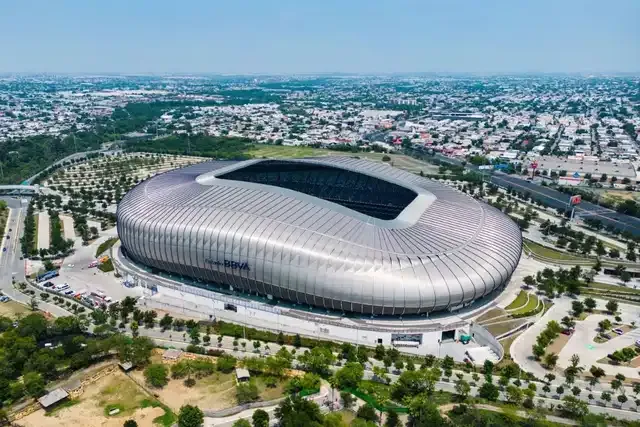
Unlike the legacy-driven Mexico City, the Monterrey Stadium will be the epitome of modern Mexico, hoping to create its own moment in the 2026 World Cup. Commonly known as Estadio BBVA, it is arguably the most visually breathtaking venue in the tournament. Set against the majestic Cerro de la Silla mountain, the stadium offers one of the greatest natural backdrops. Nicknamed “The Steel Giant,” the venue symbolises Monterrey’s industrial identity and modern ambitions. Its sleek metallic design and asymmetric structure give it a futuristic appearance, while the steep stands generate an intimidating atmosphere. The 50,100 capacity for the tournament this summer makes it the second-largest stadium in the nation.
The city of Monterrey gets very hot in June, so the stadium has built up a natural cooling system known as ‘Gills’. Airflow comes in via ‘gills’ in the metal facade, ventilating the stadium and keeping spectators and players cool and comfortable. The cantilevered roof, which is a vast structure of 55 meters, also provides comfort and shade within the stadium. Its dramatic, asymmetric sweeping form lowers to the south to provide those stunning views of the nearby mountain. The pitch contains a unique blend of 95% of natural grass and the rest synthetic, while it is the first stadium in North America to have been certified as eco-friendly. Three group games and a Round of 32 encounters will be hosted at this venue.
Guadalajara Stadium
World Cup Capacity: 48,000
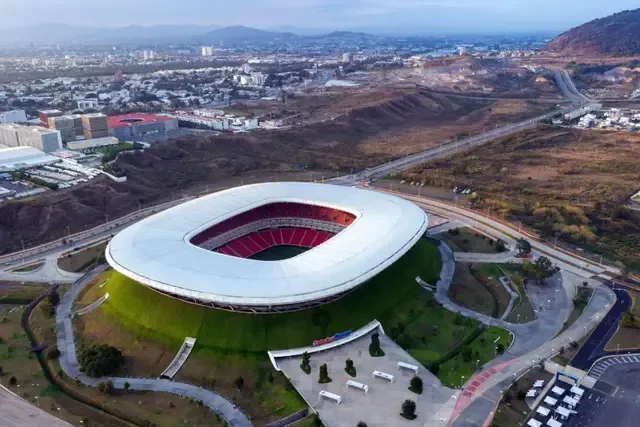
Guadalajara Stadium, also known as Estadio Akron, is certainly one of the most architecturally creative stadiums in the tournament, designed to resemble a volcanic formation emerging naturally from the earth. Grass-covered outer slopes help the stadium blend seamlessly into the surrounding landscape. Its circular white roof traps crowd noise within the seating bowl, intensifying the atmosphere for players and supporters alike. This stadium will be able to accommodate approximately 48,000 fans at a time during the World Cup and like Monterrey Stadium, the stands are built very steeply at a 34-degree slope. It is one of Mexico’s footballing heartlands, home to the iconic club, C.D. Guadalajara.
The stadium's open-air design and unique roof allow for natural ventilation even without air conditioning. FIFA has a special system of rainwater harvesting in the stadium. In addition, special urinals that run without water have been installed here. 180 digital audio boxes have been installed throughout the stadium, which greatly enhances the sound and excitement of the spectators during the match. Giant LED screens have been installed at both ends of the ground. The Guadalajara Stadium will host four group games, including Mexico's second home at the 2026 World Cup against South Korea. The possible Group H decider between Uruguay and Spain will also be played here.
USA FIFA World Cup 2026 Stadiums
East Rutherford Stadium
World Cup capacity: 82,500

The East Rutherford Stadium is the most significant venue of the 2026 World Cup this summer, as it will host the grand final of the tournament on 19 July 2026. It makes it the ultimate destination of the competition. Known normally as MetLife Stadium, there could hardly be a more fitting venue for the showpiece, as this colossal arena sits in East Rutherford, just minutes away from the skyline of New York City, which is the symbolic capital of global commerce, media, and entertainment. The stadium’s sheer scale immediately stands out. Unlike enclosed arenas, the open-air structure gives major matches a raw, dramatic atmosphere where weather and crowd emotions all become part of the spectacle.
One of its most visually striking features is the illuminated outer shell. The exterior can glow in different colours depending on the occasion. The stadium is home to both the New York Giants and New York Jets, making it one of the busiest sports venues in America. However, during the World Cup, it will evolve into something much larger. Beyond the final, the venue will host several high-voltage games, including Brazil against Morocco, France versus Senegal, Ecuador’s battle against Germany, England’s final group game against Panama and two knockout matches. With a massive capacity of 82,500, East Rutherford Stadium is poised to see the lift-off of the first champions of the biggest World Cup in history.
Dallas Stadium
World Cup capacity: 94,000
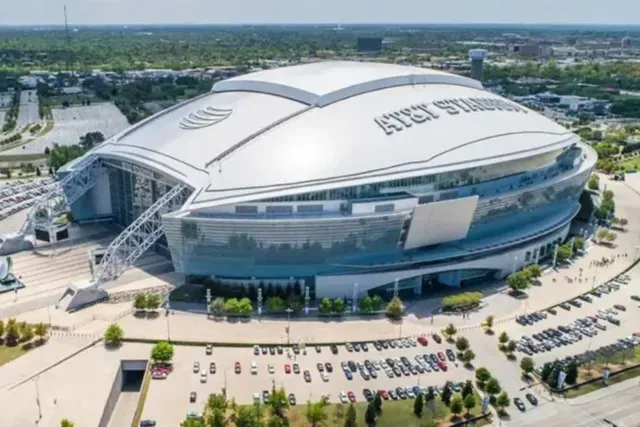
The biggest venue in the 2026 World Cup, the 94,000-seat Dallas Stadium, will host the highest number of matches at the tournament with nine. Among them, four will be group stage games, while the remaining five games are in the knockout stages, including one semifinal, making it the most visited and busiest venue in the entire competition. It will host some huge games like the Netherlands’ clash against Japan and the 2018 semifinal repeat between England and Croatia. Now sharing his ‘goatness’ in the MLS in the USA, Lionel Messi’s Argentina will also play a game here against Austria. It is obvious why this venue has attracted FIFA to organise so many games here. Other than its huge capacity, its colossal structure, while also meeting modern requirements of technology and engineering, makes it an ideal fit to stage an event of a truly massive scale.
Nicknamed ‘The Death Star’, the arena dominates the Texas landscape with its enormous steel arches and glass walls. The stadium’s defining feature is the colossal centre-hung video board, one of the largest high-definition screens ever constructed. Suspended above the pitch, it stretches almost from one end of the field to the other. The retractable roof and climate-controlled environment will be crucial during the intense Texas summer. While outside temperatures may soar, fans inside will experience perfect playing conditions. Architecturally, the venue feels more like a futuristic entertainment palace than a traditional stadium. Luxury suites, giant concourses, and enormous digital displays ensure that every match becomes a sensory spectacle.
Atlanta Stadium
World Cup capacity: 75,000
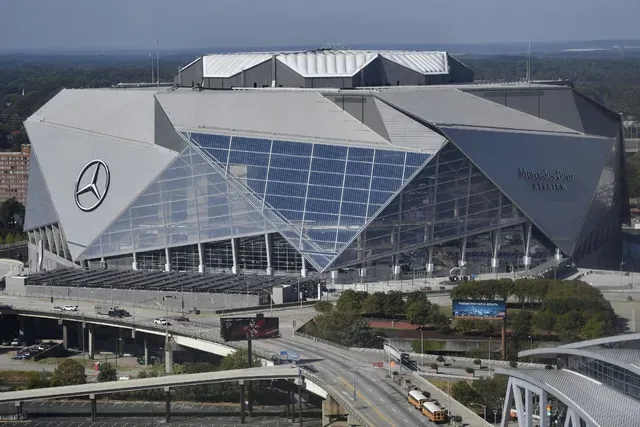
The stadium that will host the second largest number of games in the tournament, Atlanta Stadium, will be another venue that will provide a huge capacity, 75,000 seats to be exact, with an immersive World Cup experience. Known year-round as Mercedes-Benz Stadium, it is one of the most innovative sporting arenas ever built, combining cutting-edge engineering with a fan-first design philosophy. The signature feature of the stadium is its retractable roof, made up of eight triangular panels that open and close like a camera shutter. When fully opened, sunlight pours dramatically into the stadium bowl, creating one of the most visually spectacular interiors in sports. The venue also contains a 360-degree halo video board encircling the upper rim of the stadium. Rather than traditional end-zone screens, the halo creates a continuous digital ribbon visible from every seat.
FIFA granted a rare exemption allowing the structural Mercedes logo on the roof to remain in place, as removing it would have risked engineering damage. Even with the neutral ‘Atlanta Stadium’ name, traces of the building’s original identity remain embedded within its design. The stadium is home to Atlanta United FC, one of the most successful and best-supported clubs in MLS history. Due to its massive size and high-tech facilities, it is hosting a total of eight World Cup matches in 2026, including five group games and three knockout matches, including one semifinal. Euro winners Spain will play two group games here and also AFCON champions Morocco.
Los Angeles Stadium
World Cup capacity: 70,000
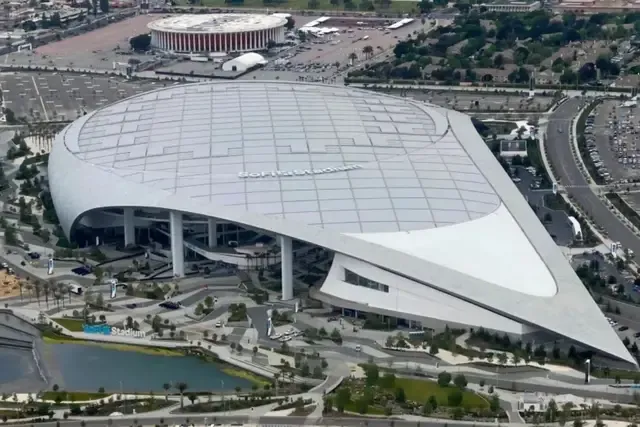
Los Angeles Stadium, formerly SoFi Stadium, represents the absolute pinnacle of modern stadium luxury, being one of the most glamorous stadiums in the world. Costing over $5 billion, it is also among the most expensive sports venues ever built. The stadium’s architecture perfectly reflects Los Angeles itself. The venue is eye-catching, futuristic, and entertainment-focused. Wide plazas, palm-lined surroundings and dramatic lighting systems make the venue feel like a Hollywood production house. The high seating capacity, 70,000 for the World Cup and the city’s enormous multicultural population guarantee packed crowds filled with supporters from Latin America, Asia, Europe and Africa, creating one of the most internationally diverse atmospheres
Unlike conventional indoor arenas, the stadium operates as an indoor-outdoor hybrid. A gigantic translucent canopy covers the seating bowl while still allowing open airflow from the California coast. This design creates a uniquely comfortable environment where fans experience both shelter and fresh air simultaneously. Its most famous feature is the dual-sided Infinity Screen suspended from the roof. The enormous oval-shaped display wraps around the field, giving spectators unprecedented visual immersion. The stadium will host the opening match of the USA men’s national team against Paraguay on 12th June 2026, making it a huge occasion. There will be seven other games played here, including the USA's match against Turkey and three knockout games, which will also feature a quarterfinal game.
Miami Stadium
World Cup capacity: 65,000
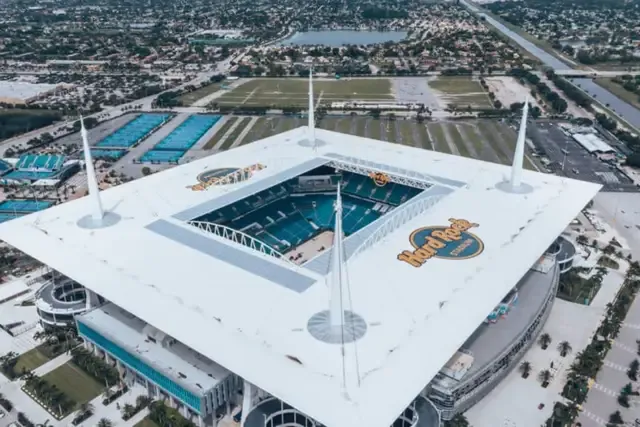
Formerly Hard Rock Stadium, the Miami Stadium will bring the vibes of a party hub at the 2026 World Cup and also the energy of international football. The venue has undergone extensive renovations that transformed it into one of America’s premier global sports destinations. An open-air canopy made of 14,000 tons of steel was also installed over the stadium and the roof is designed in a way that it protects nearly the entire audience from Florida’s heat and sudden tropical rainstorms while preserving the atmosphere of an outdoor stadium. This large and state-of-the-art stadium is hosting a total of seven important matches in the 2026 World Cup, including the quarter-finals and the third-place or bronze medal match.
The region’s strong Latin American and Caribbean influence means matches here will often feel like home games for several nations. Miami’s nightlife and tourism culture also make it one of the most commercially attractive destinations of the tournament, blending football with entertainment in a uniquely South Florida style. Luxurious lounges, theatre box, VIP suites and open-air on-field clubs are built in accordance with its surroundings. Huge video boards have been installed at all four corners of the stadium, which will give fans a stunning experience of games. There are some thrilling fixtures to be hosted at the venue, including Brazil taking on Scotland and Luis Diaz’s Colombia going head-to-head against Cristiano Ronaldo’s Portugal.
Boston Stadium
World Cup capacity: 63,815

Having a capacity of approximately 63,815, Boston Stadium will be another top venue for the tournament, combining historical significance with modern upgrades. It has hosted several FIFA tournaments in the past, including the Men’s World Cup in 1994 and multiple FIFA Women’s World Cups. With a proven track record and with recent renovations, the stadium, otherwise known as the Gillette Stadium, is set to give one of the best experiences of the World Cup to the attending fans. The $225 million renovation project added a new lighthouse to the venue, which reaches 218 feet at the top and provides a 360-degree view of the stadium. It also included a new 22,000-square-foot outdoor video board installed at the north end, the largest video board of its kind in the United States.
75,000 square feet of hospitality and function spaces were constructed to connect the East and West Putnam Clubs, the Dell Technology Suite Levels, and the upper concourse. The construction of these new spaces connected all levels 360 degrees. A new plaza and fan entrance were also built on the stadium's north end. Despite that, Boston Stadium maintains a more traditional sporting feel. The open-air design exposes fans to authentic New England weather conditions. The city’s sporting culture is famously intense, disciplined, and loyal. Overall, seven games will be hosted at this venue, including the heavyweight clashes between Norway and France. Two knockout matches, which also include a quarterfinal is also staged at this stadium.
Kansas City Stadium
World Cup capacity: 67,513

Capable of having 73,000 spectators at the venue, World Cup matches are set to be played in the ‘loudest stadium’ in the world. Commonly known as Arrowhead Stadium, Kansas City has put its name in the Guinness Book of World Records as the loudest outdoor stadium in the world, reaching 142.2 decibels. The reason lies in its design. The steep seating angles and enclosed bowl shape trap sound, instead of going outside and sending it crashing back toward the pitch. Even routine moments can produce thunderous noise levels. It makes the atmosphere in the stadium very intimidating and hostile in footballing terms. Kansas City also possesses one of the deepest football cultures in the United States. The city has long embraced the sport through clubs like Sporting Kansas City and a strong grassroots football scene.
Kansas City Stadium has been designed in such a way that even a spectator sitting in the topmost stand of the stadium has a clear view of the entire field without any obstruction. There is no bad view from any seat here. Large HD video screens are installed at both ends of the stadium, showing spectators live action, statistics and crystal clear replays of the match. Natural grass and an excellent drainage system also keep the turf perfect for play. This magnificent stadium is hosting a total of 6 matches of the World Cup, including a major knockout match in the quarter-final. The most spicy fixture is Messi’s Argentina playing their tournament opener against Algeria here on 16 June 2026.
Houston Stadium
World Cup capacity: 65,360
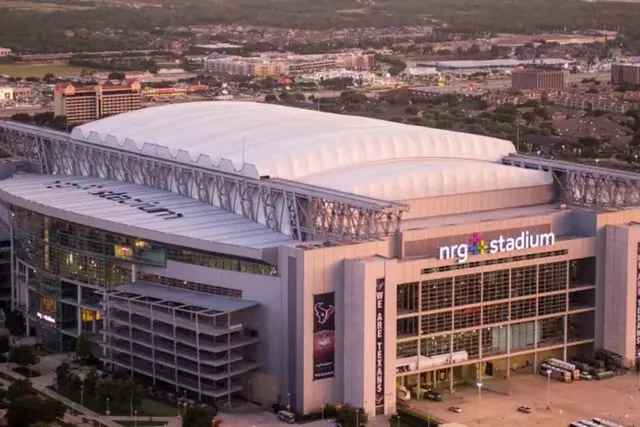
Houston Stadium was the first NFL venue built with a retractable fabric roof, marking a major engineering achievement when it opened. Known as the NRG stadium, the venue has extensive experience hosting international football events, including CONCACAF Gold Cup matches, Copa América fixtures, and the pre-season friendlies of elite clubs in Europe. So, it has gained credibility for hosting games of an event on the magnitude of the FIFA World Cup. It will host several group stage games, including Germany’s tournament opener against debutants Curacao, Portugal’s opening game against another newcomer Uzbekistan and the all-European clash between the Netherlands and Sweden. Aside from that, the stadium will host two knockout games.
The roof is its most stunning feature that can be fully opened or closed in just seven minutes. During Houston's intense heat or sudden rains, this roof can be closed to make the interior environment very comfortable. When the stadium roof is closed, its powerful climate control through an excellent air conditioning system keeps the entire stadium cool. This provides complete relief from the heat for the players and over 72,000 spectators during matches. Normally, artificial grass was used here, but to meet the requirements of the 2026 World Cup, a real and lush natural grass pitch prepared with special modern technology has been set up in the stadium. This stadium is not limited to just football or American NFL matches. It is the official home of the world's largest indoor cattle show and rodeo, which demonstrates its amazing space management capabilities
Santa Clara Stadium
World Cup capacity: 71,000

The magnificent stadium in Santa Clara, officially known as Levi's Stadium and renamed 'San Francisco Bay Area Stadium' for the 2026 World Cup, will host a total of six exciting matches of the 2026 FIFA World Cup. This includes five group stage matches and one knockout stage game. The venue reflects the technological spirit of Silicon Valley and was designed with sustainability and digital connectivity at its core. The stadium is known for its environmentally friendly architecture. The west tower features a large 'green roof', a rooftop garden where native plants are grown. Hundreds of solar panels have been installed on the bridge connecting the stadium, which helps generate the electricity needed on match days.
Being in the technology hub, advanced Wi-Fi systems and mobile integration allow fans to experience real-time statistics, replays, and services seamlessly. Unlike enclosed domes, the stadium remains open-air and sunlit, giving matches a distinctly Californian atmosphere. Its modern design, premium hospitality areas, and eco-conscious construction make it one of the most forward-thinking venues in the World Cup 2026. The San Francisco Bay Area Stadium also underwent major upgrades for the World Cup, including a scoreboard and premium seating, costing $120 million. It has a capacity of 71,000 plus, creating one of the best atmospheres at the event
Seattle Stadium
World Cup capacity: 69,000

The Lumen Field Stadium will be known as the Seattle Stadium for the World Cup and is widely considered to produce one of the best football atmospheres in North America. Home to the immensely passionate Seattle Sounders FC supporters, the venue regularly produces deafening crowd noise. Its horseshoe-shaped structure partially traps sound beneath the roofline, intensifying chants and creating relentless pressure on players. The stadium also offers stunning views of downtown Seattle and the surrounding Pacific Northwest landscape, giving it one of the most beautiful settings in the tournament. Few venues combine scenic beauty and intimidating atmosphere as effectively as Seattle Stadium.
It has also twice set the Guinness World Record for the loudest noise in an outdoor stadium. Approximately 69,000 spectators will be able to watch games together at this stunning open-air arena. This is also one of the greenest and most eco-friendly stadiums in the USA. A total of six games are scheduled here, with four being group stage matches and two games in the knockouts. Belgium will play their World Cup opener against Egypt in this venue, but the game that the local population will be keen on is the host nation, the USA, taking on Australia here on June 19, 2026. That game offers the chance for the Stars and Stripes to secure their place in the knockouts, so the atmosphere in the stadium is expected to be electric and deafening.
Philadelphia Stadium
World Cup Capacity: 69,000
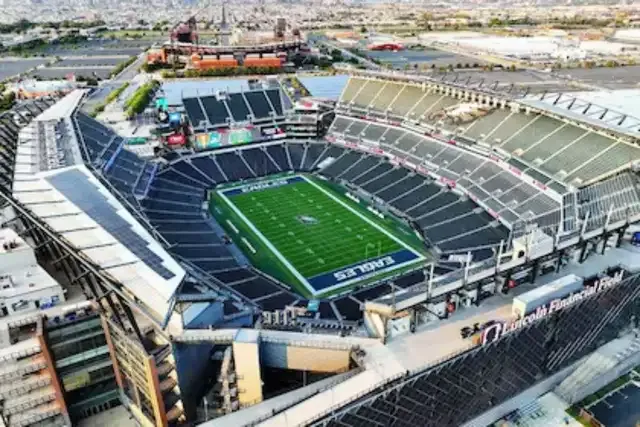
The final stadium on this list, Philadelphia Stadium, is another fantastic marvel that will host the 2026 World Cup games and amaze fans with its features. Known as the Lincoln Financial Field, it normally has a capacity of 67,594 for NFL matches. However, with the World Cup's special seating arrangements and expansion of the entertainment areas, the stadium will operate with a capacity of approximately 69,000 spectators during the tournament. Philadelphia Stadium represents toughness, grit, and old-school sporting intensity. Its most eye-catching part is the roof of this stadium, with its sharp, angular architecture, which was designed to resemble the wings of an eagle in flight. All three corners of this stadium are open, so that spectators sitting inside can see a beautiful view of downtown Philadelphia along with the match.
Sustainability features such as wind turbines and LED lighting systems help power parts of the stadium, showcasing a blend of industrial identity and modern innovation. Hundreds of solar panels and wind turbines have been installed around the stadium, which generate 100% clean energy. This is an open-air stadium that has a very high-quality permanent natural grass pitch. Philadelphia sports fans are renowned for their emotional intensity and uncompromising loyalty. That raw energy is expected to translate directly into the World Cup atmosphere. There will be five group games at this venue and one knockout tie. Record winners Brazil, two-time champions France and 2018 finalists Croatia will all play a game here. Whether hosting tense knockout fixtures or dramatic group-stage encounters, Philadelphia Stadium promises noise, passion, and relentless emotion from start to finish.
Get Ready for FIFA World Cup 2026: