French manager Pierre Sage has been appointed as the successor of Oliver Glasner at Crystal Palace, and thus we are here with our analysis article that'll look at his style of play and managerial profile.
So who makes Pierre Sage one of Europe's most promising managers? Let us Find out
Pierre Sage's Rise Through French Football
Unlike many modern managers who enjoyed lengthy playing careers, Pierre Sage built his reputation through coaching and player development. He spent years working in youth football and academy systems before gaining wider recognition during his time at Lyon.
Sage took over Lyon during a difficult period in late 2023 and quickly transformed the club's fortunes. His ability to organize teams, improve player confidence, and implement a clear tactical structure earned widespread praise. After leaving Lyon in early 2025, he joined Lens and immediately elevated the club into genuine Ligue 1 title contenders.
His first season at Lens was remarkable. The club finished second in Ligue 1 and captured the Coupe de France, achievements that significantly boosted his reputation across Europe.
Tactical Philosophy: High Pressing and Vertical Football
One of the defining characteristics of Pierre Sage's teams is their aggressive pressing style. Lens has become known for winning possession high up the pitch and quickly transitioning into attack.
Rather than relying on slow possession-based football, Sage prefers vertical progression. His teams look to move the ball forward rapidly once possession is regained, exploiting defensive disorganization before opponents can recover. This direct but controlled approach has helped Lens compete with wealthier clubs in France.
The French coach also places significant emphasis on collective intensity. Every player is expected to contribute defensively, making his teams difficult to play through and highly effective during transitional moments.
Preferred Formation and Tactical Flexibility
Sage frequently utilizes a back-three system, often deploying variations of a 3-4-3 formation. This structure provides defensive solidity while allowing wing-backs to push high and create width in attacking situations
A key feature of his setup is the role of midfield runners. Lens regularly create overloads through midfielders arriving late into the penalty area, making them difficult to track and increasing their goal threat. The system also encourages fluid movement among attackers, helping create space and unpredictability in the final third.
Importantly, Sage has demonstrated tactical flexibility throughout his managerial career. While he has preferred a three-at-the-back shape, he has shown a willingness to adapt depending on available personnel and opposition strengths. This adaptability could prove valuable in the Premier League's demanding environment.
Why Pierre Sage Could Suit Crystal Palace
The similarities between Sage's tactical ideas and Glasner's philosophy may explain Palace's interest. Glasner also favored high-intensity pressing, quick transitions, and a back-three structure during his successful spell at Selhurst Park.
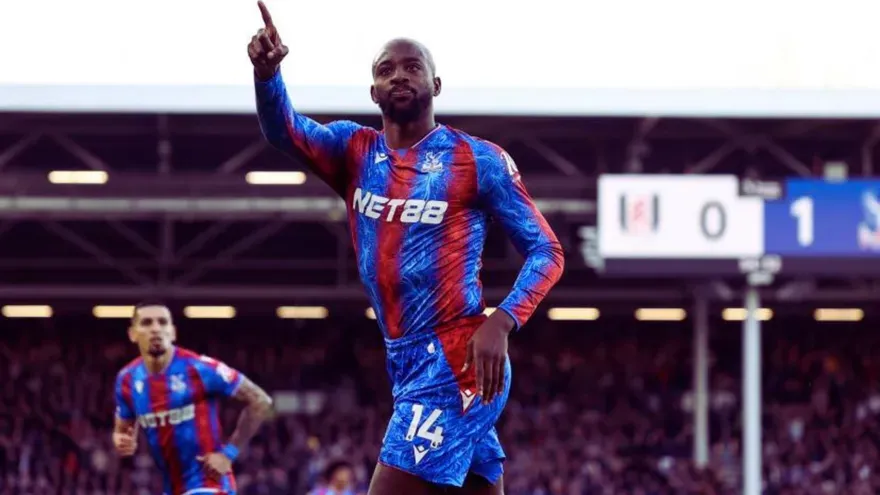
As a result, Sage would not need to completely rebuild the squad's tactical identity. Players such as Adam Wharton and Jean-Philippe Mateta could potentially thrive in such a system that prioritizes vertical attacks and aggressive pressing.
Furthermore, Sage's track record of improving players and maximizing resources aligns well with Palace's recruitment model, which focuses on identifying talent with growth potential rather than competing financially with the Premier League's biggest spenders.
Final Verdict
Pierre Sage may not yet possess the global profile of some managerial candidates, but his achievements at Lyon and Lens suggest he is one of Europe's most promising young coaches. His blend of tactical organization, high-energy football, player development, and adaptability makes him good for Crystal Palace.