
The Machineseeker European Championship is one of the showpiece events on the PDC darts calendar, bringing together the season’s best European Tour performers for four days of high-pressure, TV-table drama. This guide explains the tournament format, outlines the 2025 schedule (with provisional placeholders), sketches expected prize-money structure, recaps key 2024 storylines, highlights likely contenders, and clarifies why the event carries real weight in the race for year-end glory; and for fans who like to follow odds and promos alongside the darts action, a quick check of Mostbet Sri Lanka can keep everything in one place.
What is the Machineseeker European Championship?
The European Championship is the culmination of the PDC’s European Tour season, inviting the top performers from the Euro Tour Order of Merit into a seeded 32-player bracket. Matches escalate in length as the event progresses, rewarding not only heavy scoring but composure on doubles and the ability to ride momentum swings on the TV stage.
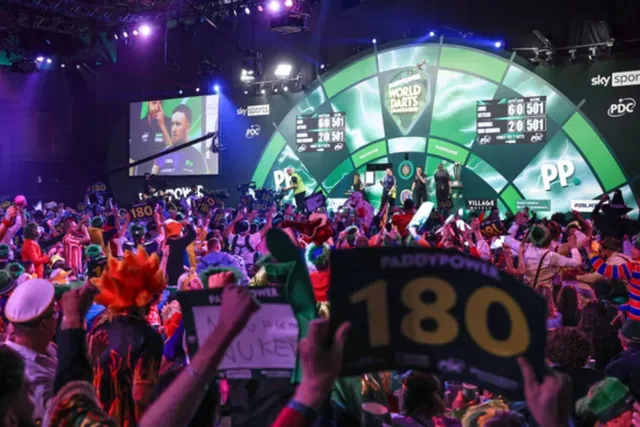
In simple terms, think of it as the “final exam” for the Euro Tour: the field is elite, the margins are tiny, and early upsets are common because many players arrive in red-hot form. The crowd atmosphere is part festival, part pressure cooker—walk-on energy meets ruthless finishing at crucial moments.
Key format features:
Field & Seeding: 32 players, seeded by the European Tour Order of Merit.
Match lengths: Shorter races early (first round), increasing through quarter-finals, semi-finals, and a longer final.
Pace & TV pressure: Tight legs, relentless scoring phases, and doubles decide everything.
Darts European Championship 2025 Schedule and Dates
The official venue, host city, and session times are typically announced by the PDC after the European Tour concludes. Below is a planning-friendly skeleton of how the schedule usually looks; use it to map travel and broadcast viewing—and if you also keep an eye on event-week promos, this guide on https://guidebook.mostbet.com/no-deposit-bonuses/ can be a handy bookmark.
Indicative 2025 schedule:
Stage | Date (2025) | Sessions | Notes |
First Round (Last 32) | Thu–Fri | Evening (Thu), Afternoon & Evening (Fri) | Seeded players enter; early shocks are common |
Second Round (Last 16) | Sat | Evening | Match length increases; composure on doubles crucial |
Quarter-Finals | Sun (Day) | Afternoon | Higher leg count favors consistent scorers |
Semi-Finals | Sun (Evening) | Evening | TV table intensity; hold-throw under pressure |
Final | Sun (Evening) | Late evening | Longer format; momentum swings and clutch checkouts |
How to use the schedule effectively:
Travel & tickets: Prioritize Friday and Sunday if you can only attend two days—Friday catches the last of the first-round drama; Sunday delivers the title run.
Broadcast planning: Finals night typically runs late; block extra time for possible on-stage ceremonies.
Form checks: Monitor late-season Euro Tour results; players peaking in September–October often roll that form into this event.
European Championship Darts Prize Money 2025
The officially confirmed prize fund for the Machineseeker European Championship 2025 is £600,000, according to PDC Europe. The exact distribution across rounds will be published by the PDC closer to the tournament, so until then, only the total amount is confirmed.
The European Championship historically rewards deeper runs with steep increments; ranking implications can be substantial for the Order of Merit and seedings at subsequent majors.
Why the money matters beyond the cheque:
Ranking leverage: Deep runs can swing year-end seedings and World Championship draws.
Sponsorship impact: A televised breakthrough often translates into commercial momentum.
Confidence dividend: Winning tense TV legs replenishes belief heading into the winter majors.
European Darts Championship 2024 Results Recap
The 2024 edition delivered a familiar cocktail of power scoring, nervy doubles, and razor-thin deciders. While specific matchups varied, the through-line was the same: players who managed the middle legs (often legs 5–9 in shorter matches) and prevented mini-slumps advanced deepest. Finishing around 40–50% on doubles often proved the winning threshold in tight ties; and if you’re tracking broader 2025 motorsport storylines between sessions, the Catalan MotoGP 2025: Schedule, Riders and Circuit guide is a quick, handy read.
What defined 2024:
Mid-match surges: A 2–3-leg scoring burst routinely flipped first-round ties.
Checkout discipline: 2-dart combinations (e.g., 56, 68) became pressure valves when big trebles went missing.
Composure under the lights: Players who paused, reset, and hit single setups cleanly after a miss tended to survive last-leg shootouts.
If you’re scouting for 2025, comb through 2024’s averages and checkout maps: those who paired high 180 volume with tidy 2-dart finishes frequently appeared on the final evening card.

Top Players and Favorites for 2025
Forecasting favorites starts with the Euro Tour Order of Merit—consistent finalists and semi-finalists there are your prime seeds here. Then layer in recent TV form and checkout percentages from the last two majors prior to the Championship. Finally, examine pace compatibility: some big scorers struggle when legs slow down under TV pressure.
Contender profiles to watch:
The relentless scorer: High-80s/low-90s first-nine average; crushes opponent’s holds and creates break chances.
The clinical finisher: Maybe fewer 180s, but 40–55% doubles and reliable set-up play in the big legs.
The rhythm disruptor: Uses deliberate pacing to cool a hot opponent; thrives in deciding legs.
The late-season riser: Finds top gear on the Euro Tour in September–October and carries it into TV.
The veteran closer: Lower volatility, excellent game management, ruthless when smelling a wobble.
Three subtle metrics to check before you pick a favorite:
Double-in hand trend: Are they better tops/10s or 16s/8s? Confidence pocket matters on TV.
Legs won against the throw: A bellwether for resilience—can they break in crunch time?
Recovery after a missed dart at double: Do averages collapse or stabilize on the next visit?
Why the Darts European Championship Matters
Beyond the trophy, this event compresses elite form into a four-session crucible, making it a superb predictor of who will arrive at Alexandra Palace with genuine bite. It’s also a ranking accelerator; even a quarter-final can reshape seedings and redraw potential World Championship paths. For fans, it’s a showcase of everything modern darts does well: theatre, precision, and impossible-to-script momentum swings.
Reasons this major punches above its weight:
Quality-controlled field: Entry via Euro Tour merit ensures in-form players, not just reputation.
Format that rewards nerve: Shorter early matches punish slow starts; deeper rounds reward engine and focus.
Calendar positioning: Lands late enough to influence Worlds seeding and sponsor optics.
TV and arena synergy: Big-stage production amplifies pressure, revealing who truly owns the moment.