
Talk to any Indian cricket fan, and you'll notice one name that still silences a room—Sachin Tendulkar. He wasn't just a cricketer. He was something bigger. A nation’s heartbeat. A boy from Mumbai who carried the weight of a billion dreams on his shoulders every time he stepped onto the field. He turned stadiums into temples, and matches into rituals. His straight drive? Pure poetry. But his real genius? Showing up—again and again—for 24 relentless years.
His legacy can’t be summed up in numbers alone, though the stats are staggering. Over 34,000 international runs, 100 centuries, hundreds of match-winning performances. That’s not a career—it’s a saga. And while many sportsmen fade with time, Tendulkar’s aura only burns brighter. Even in retirement, his name commands reverence. And oddly enough, it’s not just about cricket. He’s an anchor for memories, a symbol of what sports can mean when pride and passion collide.

It wasn’t just what he did. It’s how he did it. Head down, bat talking, no theatrics. Just sheer mastery. And while cricket was his stage, his impact spread far beyond. He made millions believe in dreams. Gave India a reason to unite. For a few hours, no matter who you were, Sachin made you feel like you belonged to something greater. Much like how teen patti live teen patti live brings people together around a table, sharing the thrill of strategy and chance, Tendulkar created moments where an entire nation held its breath as one.
If cricket had a soul, Tendulkar fed it.
Early Life and Family Background
Born on April 24, 1973, in Dadar, Mumbai, Sachin Ramesh Tendulkar wasn’t handed greatness. He carved it, bat in hand, from the chaos of the city’s gullies. His father, Ramesh, was a respected Marathi novelist, soft-spoken, grounded, and principled. His mother, Rajni, worked in the insurance sector. Quiet strength. That’s what Sachin inherited.
He was the youngest of four siblings. His brother Ajit saw something early—a spark. Instead of letting it fade, he threw his weight behind Sachin’s training. Took him to coach Ramakant Achrekar at Shivaji Park, a decision that would change the sport forever. Ajit didn’t just spot talent. He protected it. Pushed it forward. Stayed in the shadows so Sachin could chase the sun.
The Tendulkar household wasn’t luxurious, but it was rich in discipline. Cricket wasn’t an escape—it was part of daily life. And that life, bound by middle-class values and the sharp edges of Mumbai’s tempo, shaped his hunger. Sachin wasn’t born with a silver spoon. He earned every ounce of glory.
People often speak of Sachin Tendulkar’s family as the silent force behind his success. They were more than that. They were the backbone. They let a dream breathe when it was still fragile. And from the narrow lanes of Bandra East to the grandeur of Lord’s, the family watched, cheered, and stayed fiercely private. It’s no surprise Sachin never forgot to credit them. Fame never blinded him to where it all started.
Rise of the Little Master: Junior to International Debut
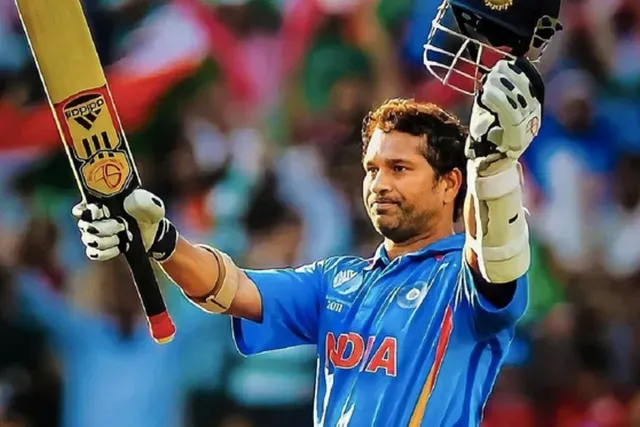
By the time he was 14, Sachin Tendulkar wasn’t just a schoolboy. He was a warning sign for bowlers across Mumbai. Playing for Shardashram Vidyamandir, he stitched a 664-run stand with his mate Vinod Kambli—a partnership that left bowlers broken and records shattered. That day, the city knew: something special had arrived.
It didn’t take long. He stormed into the Ranji Trophy at just 15, becoming the youngest to debut for Bombay. His first match? A century against Gujarat. Cool, composed, ruthless. Selectors noticed. Whispers became buzz.
Then came the big leap. At 16, he was facing the world’s fiercest fast bowlers in Pakistan. Waqar. Wasim. You name it. They didn’t go easy. Bouncers flew. One cracked his nose. Blood dripped. He didn’t flinch. He wiped it, nodded, and carried on. No drama. Just steel. That tour didn’t bring centuries, but it gave fans a glimpse of what was coming.
His first fifty came against Australia, in Sydney. He looked at home. Bat steady, eyes sharp, nerves invisible. He wasn’t intimidated by the crowd or the occasion. He was built for it. There was no doubting it anymore—India had a generational genius on their hands.
And yet, nothing about Sachin’s rise felt like a fluke. It was gritty, earned, and consistent. The game didn’t hand him shortcuts. He ran every single. Fought for every run. You could see the boy, but you felt the man.
Peak Years and Career Highlights
Between 1994 and 2011, Tendulkar owned the crease. This was no purple patch. It was a bloody empire. He was relentless—across continents, against every type of bowler. Whether on the spinning tracks of Chennai or the green monsters of Headingley, his bat answered every question.
1998 was carnage. Sharjah. Two centuries against Australia in three days. Desert Storm wasn’t just weather—it was Sachin’s fury. He danced down the track like a man possessed. Bowlers had no answers. That year, he racked up 1,894 ODI runs. Still a record.
The 2003 World Cup? He was 30, some doubting his fuel. He responded with 673 runs—sharp, focused, terrifying. That uppercut off Shoaib Akhtar is still replayed in backyards. He didn’t win the trophy, but he won hearts. Again.
In 2010, at 37, he rewrote the record books. First man to hit a double century in ODIs. Against South Africa, in Gwalior. The game had evolved. So had he. Timing over power, placement over muscle. Mastery over chaos.
Captaining India? That was a mixed bag. He struggled. Not tactically, but emotionally. He led with his bat, not politics. The pressure, the distractions—it was a burden he didn’t need. But he walked away with grace, never once throwing others under the bus.
From 1994 to 2011, there were better innings, sure. But no better presence. He didn’t just rack up stats—he shaped moods. Entire Sundays were planned around his batting. And when he got out, televisions switched off. That’s not fame. That’s devotion.
Sachin Tendulkar Stats: A Record Book of His Own
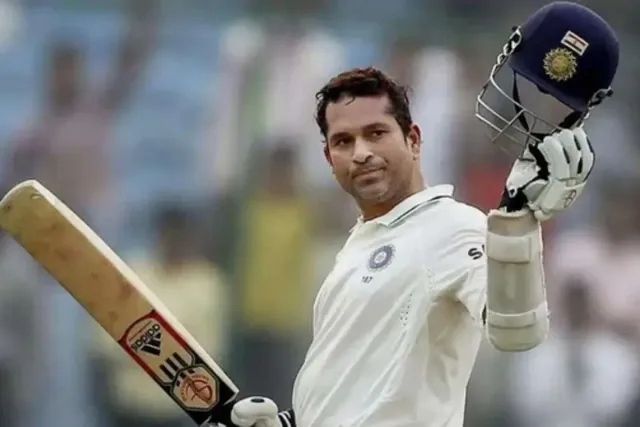
Let’s be straight—stats don’t lie. And in Sachin’s case, they shout. He didn’t just break records. He redefined what consistency looked like over decades. He didn’t chase numbers. They chased him. Over 24 years, against the best in the business, he stacked up numbers that still make seasoned players shake their heads.
Test cricket? He made it his playground. 15,921 runs across 200 matches at an average hovering above 53. He didn’t slow down either—51 centuries and 68 fifties, and that 248* still stands tall. ODI cricket? That’s where the carnage kicked in. 18,426 runs in 463 games. Forty-nine tons. Ninety-six half-centuries. And yes, the first man to crack a double century in the format. In a world obsessed with T20, it’s easy to forget how dominant he was in ODIs.
His records weren’t just statistical blips. They came in matches that mattered. On tough wickets, under pressure, with the crowd breathing down his neck. Sachin Tendulkar stats are more than digits—they’re milestones in cricket’s evolution.
Sachin Tendulkar Career Statistics
Format | Matches | Runs | Average | 100s | 50s | Highest Score |
Tests | 200 | 15,921 | 53.78 | 51 | 68 | 248* |
ODIs | 463 | 18,426 | 44.83 | 49 | 96 | 200* |
T20Is | 1 | 10 | 10.00 | 0 | 0 | 10 |
No player in history has touched 100 international centuries. He did. No one else has over 34,000 runs in international cricket. He’s the only one. Rankings came and went, but Sachin stayed at the top for the long haul—ICC rankings, public polls, or team sheets—he was always the first name.
Awards, Honors, and Milestones
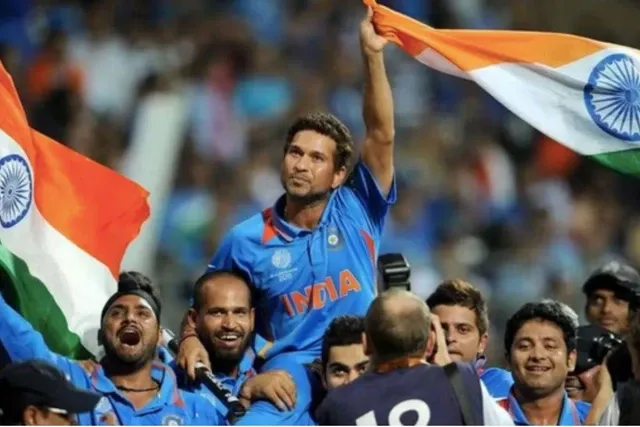
When you play the way Tendulkar did, trophies and titles follow. But it’s the kind he collected that tells you the man meant more than just cricket. He wasn’t just admired. He was honoured at the very top.
He picked up the Arjuna Award in 1994. That was just the start. Khel Ratna followed in 1997–98. Then came the big ones—Padma Shri in 1999, Padma Vibhushan in 2008. And finally, when he hung up his boots, India gave him its highest civilian honour—the Bharat Ratna in 2014. He became the youngest ever and the first sportsperson to receive it.
Let’s not forget the global nods either. Wisden named him Cricketer of the Year in 1997. The ICC put him in their Hall of Fame. MCC offered him honorary life membership. But Tendulkar never paraded these awards. He let his bat do the talking. That’s class.
Major Awards Won by Sachin Tendulkar
Arjuna Award (1994)
Rajiv Gandhi Khel Ratna (1997–98)
Padma Shri (1999)
Padma Vibhushan (2008)
Bharat Ratna (2014)
These weren’t handed out. He earned every single one. Through sweat, patience, and turning pressure into performance.
Off the Field: Tendulkar’s Family, Business and Charity
You know what’s mad? With all that pressure, all that noise, Sachin never let the spotlight burn his home. His family life was tight, steady. He married Anjali, a doctor, in 1995. Quiet strength, again. She stayed away from cameras, chose stability over showbiz. Their children, Sara and Arjun, were kept grounded. Arjun Tendulkar, now playing competitive cricket, is carrying that name without being overwhelmed by it. That’s parenting done right.
Sachin Tendulkar family stories aren’t tabloid fuel. They’re reminders of balance. He played in front of thousands, but never brought ego into his living room.
Business-wise, he’s sharp. Co-owns the Kerala Blasters football team. Endorses brands, but only those that match his values. He’s invested smart—sports tech, restaurants, fitness. Never flashy. Always strategic.
Philanthropy? That’s where the real weight shows. He’s worked with UNICEF, pushed for children's health, sanitation, and education. Built schools. Funded surgeries. Used his platform without preaching. That’s legacy work.
Notable Roles Post-Retirement
Rajya Sabha MP (2012–2018)
Co-owner of Kerala Blasters (ISL)
UNICEF Goodwill Ambassador
Mentor for Mumbai Indians (IPL)
He’s not just a man of records. He’s a man of action.
What the World Says About Sachin
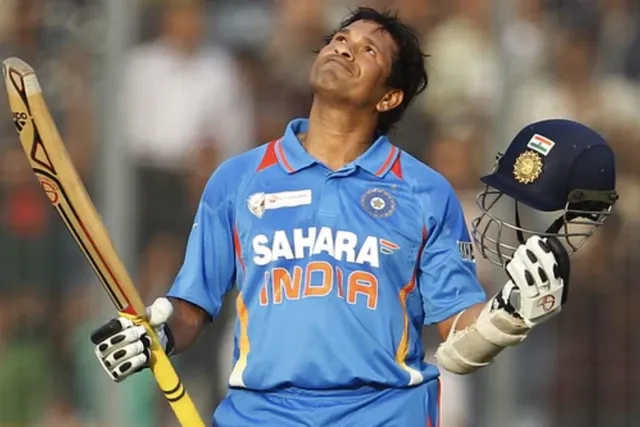
“I have seen God. He bats at No. 4 for India.” — Matthew Hayden
Aussie fast bowlers don’t hand out compliments. That quote? It’s gold. Ask any bowler from the ’90s or 2000s—they’ll tell you how he made their life miserable. Brian Lara, Shane Warne, Ricky Ponting—they all respected him. Feared him. Even Steve Waugh admitted Sachin was a different beast under pressure.
Off the field, he’s humble to the core. No drama, no arrogance. Never threw a teammate under the bus. Never used the media as a weapon. Always respectful. Even when wronged.
He once said, “Don’t stop chasing your dreams, because dreams do come true.” It wasn’t a quote for headlines. It was his truth. He lived it from Shivaji Park to the Wankhede farewell. Kids across India still dream with his posters on their walls. Not because of what he won. But because of who he was while winning.
Tendulkar didn’t need hype. He built respect through action. And that sticks long after the applause fades.
Conclusion: A Timeless Symbol of Indian Excellence
Every generation has its hero. But Tendulkar? He’s beyond time. His greatness wasn’t just about strokeplay or footwork. It was in the silence he commanded. In the stillness before a shot. In the roar that followed.
His retirement wasn’t the end. It was just another chapter. The man gave India something permanent—a cricketing conscience. A reminder of how grace and grind can go hand in hand. His story is India’s story. Grit. Growth. Glory.
To young cricketers: you don’t need to be born lucky. You need to be ready to work. Tendulkar wasn’t just gifted—he grafted. Every net session, every failure, every comeback. That’s the model. That’s the lesson.
FAQ: Everything You Want to Know About Sachin Tendulkar
Q1: What is Sachin Tendulkar’s highest score in Test and ODI cricket?
A: His highest Test score is 248 not out against Bangladesh; in ODIs, it's 200 not out against South Africa.
Q2: How many awards has Sachin Tendulkar won?
A: He has received over 50 national and international honours, including the Bharat Ratna, India’s highest civilian award.
Q3: Is anyone from Sachin Tendulkar’s family involved in cricket?
A: Yes, his son Arjun Tendulkar plays domestic cricket and has made his IPL debut.