
The limelight of international football and the World Cup itself has always been the behemoths of the game shining on the stage or even falling from grace. The Brazils, the Argentinas, the Germanys, Italys or England always bring the noise because of their legacy, success and passionate fanbase not just from the respective nations but also worldwide. The craze around them is obvious because they produce the best players of the game from a large pool of talent available from a large population with the economy to back it. However, it is not always the case, as at every other World Cup, minnows, not just by their footballing status but also by the size of the population, make the biggest stage of their own in demonstrating their fairytale to the world. They have also been helped by diaspora and naturalising players born or developed abroad.
Population or even the economy didn't matter at that time, but the smart work behind those nations scripted history. Careful investment, structured development, tactical cohesion, and the ability to integrate expatriate talent, despite having a limited pool, make these teams special on the global stage. Not having the spotlight on them helps this side build without expectations and uncover potentials that make their dream of playing in a World Cup come true. For these teams, cultural impact is massive, love for the sports grows and the qualification journey becomes a motto of national pride and unity. The expansion of participating teams in the World Cup over the years has also helped the cause, with the 48-team format hoping to give more such stories on the world stage.
Here are the five smallest nations by population to ever compete in the World Cup:
Northern Ireland (1958 World Cup)
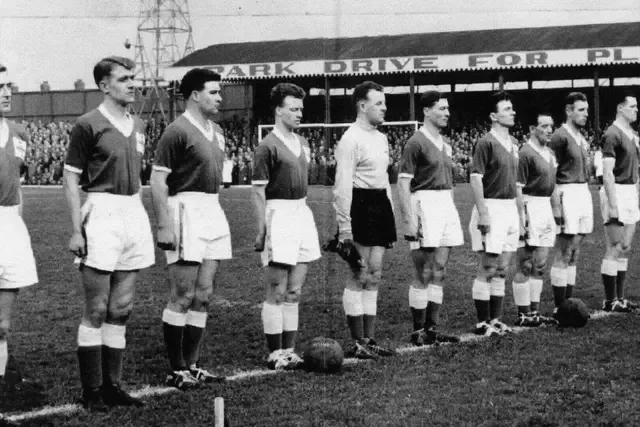
The least populous country to have competed in multiple World Cups in the tournament’s history, something that no other side has managed to do so far, Northern Ireland was one of the early examples to show that a large population is not always the required factor to build a talented squad to appear at the premier competition in international football. The Green and White Army not only proved it by making their debut in the 1958 edition hosted in Sweden with a population of just 1.4 million at that time, but also scripted a tantalising underdog tale by reaching the quarterfinal stage. They famously beat Czechoslovakia in their first-ever game in the competition and then again in the playoffs, having also shared points with the then competition holders, Germany. It remained the most memorable run for the side as they could only reach the second group stage in their next qualification 24 years later in 1982 and then suffered group stage elimination in the next edition in 1986. Although Northern Ireland has failed to get back into the World Cup, their legacy in the competition remains unparalleled.
Trinidad and Tobago (2006 World Cup)
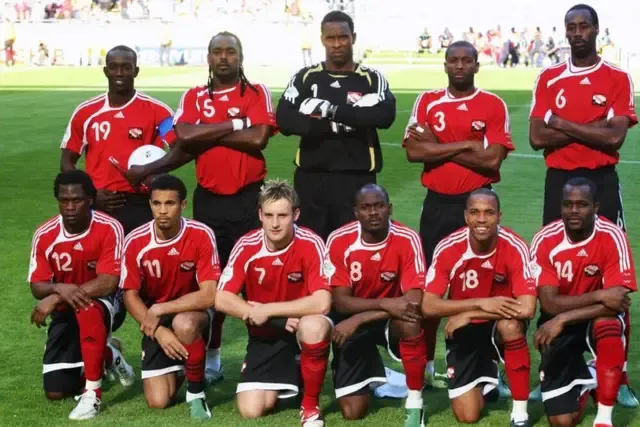
Northern Ireland’s record for being the smallest populated nation to ever play at the World Cup in the 1958 edition stood for 48 years, showing just how hard it is to achieve the feat, until Trinidad and Tobago set their own milestone by qualifying for the 2006 edition hosted in Germany with a population figure of only 1.3 million at that time. A relatively unknown nation in the footballing landscape at that point, their appearance on the global stage was a watershed moment for Caribbean football. The Soca Warriors grabbed the fourth spot in the fourth round of the CONCACAF qualifiers, which allowed them to enter the FIFA inter-confederation playoffs, where they defeated AFC side Bahrain to reach the finals. Trinidad and Tobago also showed they are not just making up the numbers, drawing their debut game at the World Cup against Sweden and even pushing England all the way, as their historical journey ended at the group stages with a loss against Paraguay. To this day, they remain the third smallest nation by population to ever make it to the World Cup, with their qualification frequently cited as proof that smart organisation under shrewd management and a cohort of talented pros plying their trade abroad can lift an entire national programme.
Cape Verde (2026 World Cup)
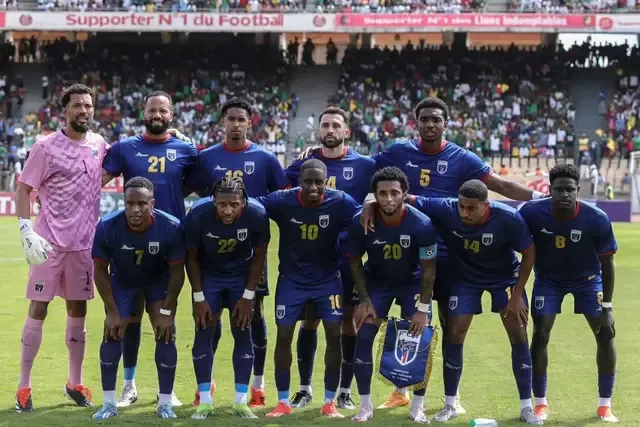
The expansion of the FIFA World Cup to 48 teams from the 2026 edition onwards offers more chances for minnows, especially those that don’t have the population strength like the biggies, to be on the world stage more often than ever. The African side, Cape Verde, is one of those that exploited the advantage of the now biggest ever tournament after a historical journey that will be talked about for ages. The Blue Sharks, as they are nicknamed, sealed their first-ever World Cup qualification with a population of roughly half a million, 527,000 to be approx, in one of the most unimaginable fairytales in modern football. The island nation topped their CAF qualification group, consigning a giant like Cameroon, whom they also defeated at home, to the playoffs and clinching the automatic berth to create history. The achievement underlines two modern trends, which are the power of diaspora scouting, where they drew in players from Europe’s big leagues and how improved coaching and investment can rapidly raise standards in small nations. With their achievement, Cape Verde became the second smallest nation ever to qualify for the grand stage, becoming the least populous nation to create history momentarily until Curacao broke that record, qualifying for the same edition.
Iceland (2018 World Cup)
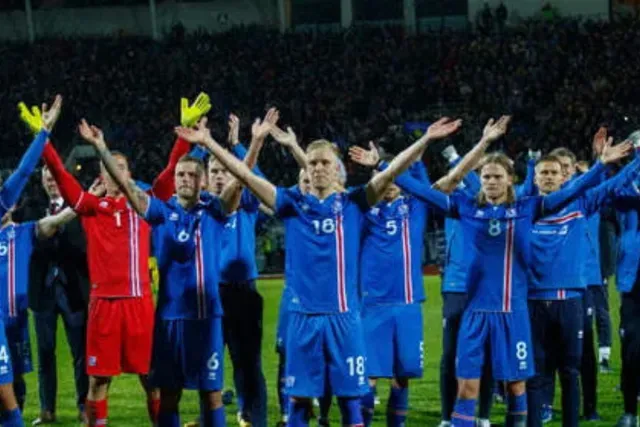
Another fascinating tale was scripted by a volcanic island with a population smaller than many mid-sized cities when they made it to the world stage, having previously shown their potential in producing some brilliant talents that went to play for some of the biggest clubs in Europe. Now they, as a team and a nation, punched above their weight to qualify for major international competitions. Hence, Iceland’s qualification for the 2018 World Cup in Russia sent shock waves through world football, with them making it into the finals with a population of just 390 thousand at that time. The World Cup qualification for the side that popularised the ‘Viking Clap’ was momentous in every sense. It was their back-to-back major tournament qualification for the first time in their history, having stunned everyone in the Euro 2016 by reaching the quarterfinal stage in their debut in that competition after famously eliminating England in the Round of 16. They created more shock on the global stage by holding Argentina to a 1-1 draw in their first-ever World Cup game, with their part-time filmmaker cum goalkeeper Hannes Halldórsson saving a penalty of none other than Lionel Messi, making a film out of real life which Hollywood could only imagine. Although their journey ended with defeats in the next two games, their magnificent achievement will live long in the memories of their supporters and forever be marked in the competition’s history books.
Curacao (2026 World Cup)
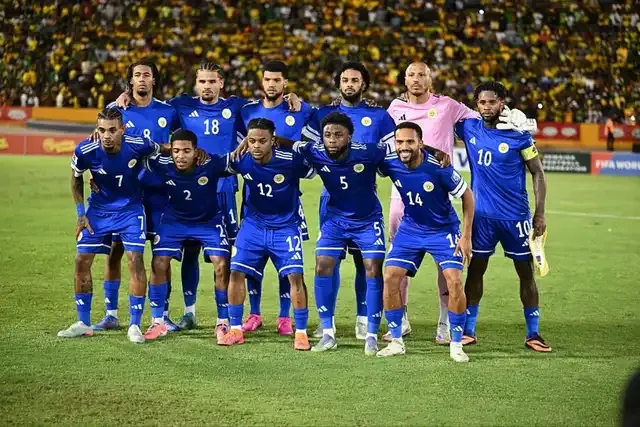
Iceland’s record of being the smallest ever nation to qualify for the World Cup lasted for seven years until Cape Verde and ultimately Curacao snatched it by doing the unthinkable of making it to the biggest stage with a population figure of just 152,000. The achievement of this Caribbean island, whose name was unheard before or only as a constituent country under the control of the Dutch, is monumental and incomparable to any fairytale scripted before. Not just by population, the side also etched their name as truly the smallest of all to qualify for the biggest tournament with a land area of just 444 square km. Their path after a historical qualifying journey was secured with a goalless draw away to Jamaica as they ended the final round of the CONCACAF qualifiers unbeaten, scoring a campaign high 28 goals and maintaining an unreal solidity of conceding just three. Their qualification signals a massive triumph for the island, which only began competing as a separate entity in 2011 following the dissolution of the Netherlands Antilles. Curaçao’s incredible success came from using the diaspora of Dutch-born players, strengthening the side like never before, blending with the local players. The team will now demonstrate their heritage, culture and battling football in the summer of 2026, playing against some of the best sides in the competition's history.