
The FIFA World Cup is football's grandest stage, a tournament players spend their entire careers dreaming of reaching. Yet, for every squad announcement that sparks celebration, there are heartbreaking stories of stars whose World Cup dreams end before the opening whistle. The 2026 edition, set to be the biggest World Cup in history, has been no exception. Several nations will arrive in North America without some of their most influential footballers after a cruel run of injuries struck during the final months of the 2025-26 season. From torn ACLs and Achilles ruptures to career-defining muscle injuries, these absences could alter the fortunes of some of the tournament's leading contenders.
The amount of games and fixture congestion in the highly demanding European season has been a matter of debate for the last few years and injuries to so many key players have ignited the issue again. Most of the players who are ruled out of the World Cup play their club career in Europe. A significant number of them have played over 50 games on average in a season, proving detrimental to their physical health. Those who survived and will play the 2026 World Cup risk future long-term injuries, with the tournament now having one extra round after expanding to 48 nations. Alongside the players, the disappointment is of fans too, as they won’t be able to witness the talisman for their nation battling it out in the biggest stage of world football.
Marcel Ruiz (México)
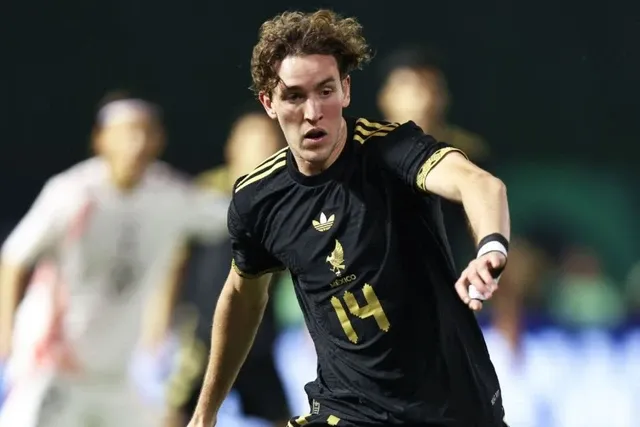
Mexico's preparations suffered a major setback when midfield maestro Marcel Ruiz sustained a serious knee injury while representing Toluca in the CONCACAF Champions Cup during March 2026. The injury involved damage to his anterior cruciate ligament and meniscus, immediately putting his World Cup participation in doubt before he was ultimately ruled out. Ruiz had become the creative heartbeat of Javier Aguirre's midfield. His ability to progress the ball, dictate tempo and connect defence with attack made him one of Mexico's most indispensable players. For a host nation already dealing with injury concerns elsewhere in the squad, losing Ruiz removes both creativity and composure from the centre of the pitch. Mexico may still possess attacking talent, but replacing their midfield conductor will be a difficult task.
Johnny Cardoso (USA)
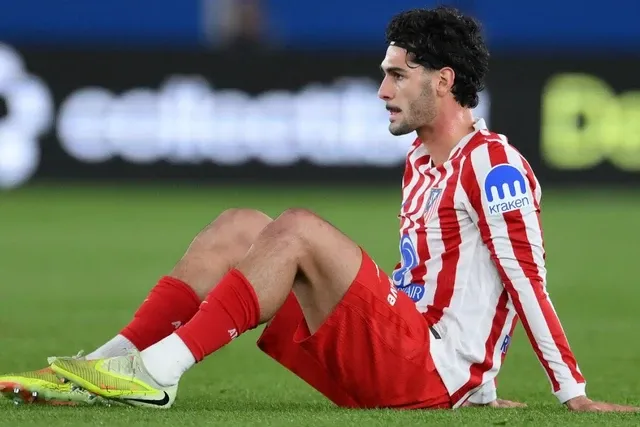
The United States were dealt a painful blow when Johnny Cardoso suffered a serious ankle injury during the final stretch of the European season. The Atlético Madrid midfielder had established himself as one of Mauricio Pochettino's most trusted performers and was expected to anchor the American midfield throughout the tournament. Cardoso provided balance, defensive intelligence and positional discipline, allowing the USMNT's more attack-minded stars to flourish. His absence forces the Star and Stripes to rethink the structure of their midfield and while they have several replacements available, the 24-year-old's absence will still be felt as he is a key player in the team’s system. Cardoso’s profile will be hard for others to match, which might show its effect in the knockouts when solidity is most required.
Ben White (England)
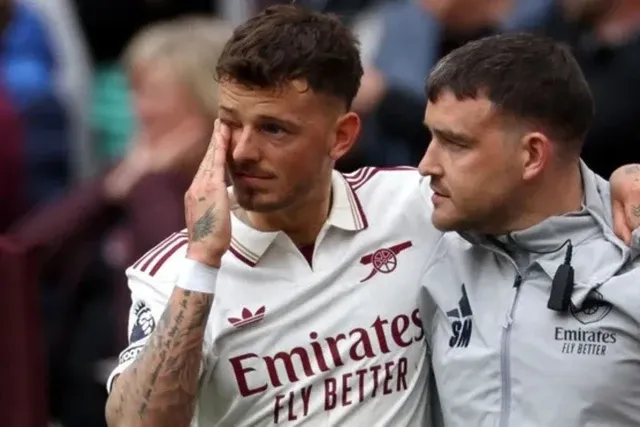
After re-establishing himself as a regular option for England under manager Thomas Tuchel, even ahead of Trent Alexander-Arnold, Ben White's World Cup hopes were shattered by a significant knee injury suffered during Arsenal's season run-in. Despite his club going on to win the Premier League title, he picked up the problem while committing himself to a challenge in the 1-0 win over West Ham in the third-to-last game. He would have most certainly made it to the World Cup squad for the Three Lions, but has now left to cheer for his teammates at home. Even if he is not the White of the past, nor a first choice at his club, his tactical flexibility and versatility were eyed by his England boss to fill the right-back role perfectly. Now his absence deprives Tuchel of a valuable option and with fewer established options in that position, it will be an issue in the tournament.
Mohammed Kudus (Ghana)
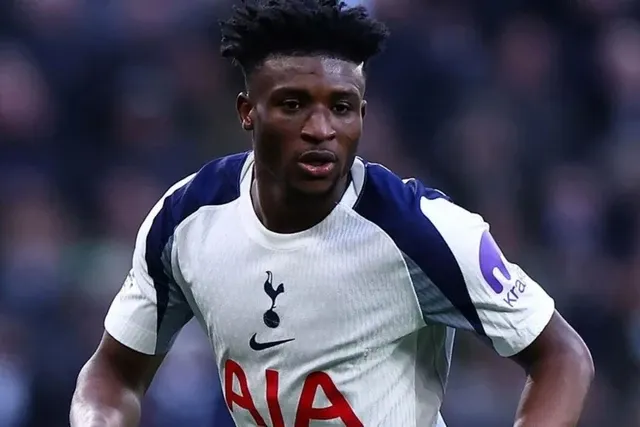
For Ghana, no injury hurts more than that of Mohammed Kudus. The dynamic attacker suffered a serious quadriceps injury in January 2026 while playing for Tottenham Hotspur and was initially expected to return before the end of the season. However, complications during his recovery led to a significant setback that eventually ruled him out of the World Cup. Kudus is Ghana's primary difference-maker. He was instrumental during Ghana's qualification campaign, scoring four goals in 10 games. His dribbling, acceleration and ability to create chances from seemingly impossible situations make him one of Africa's premier attacking talents. The Black Stars still possess quality through players such as Inaki Williams and Antoine Semenyo, but neither can replicate Kudus' unique ability to carry an attack on his own. Without him, Ghana lose the flair of a player most capable of turning tight matches in their favour.
Takumi Minamino (Japan)
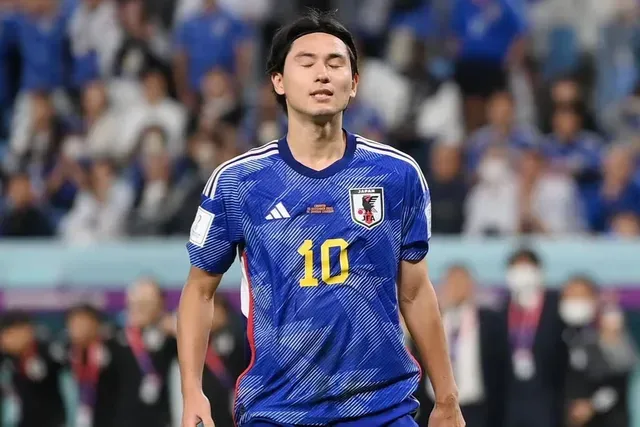
Japan's hopes of making another deep World Cup run have been dented by the loss of Takumi Minamino, who suffered an ACL injury in December, frustratingly, in Monaco’s final game of 2025. Minamino's experience, leadership and versatility made him one of Hajime Moriyasu's most important attacking players. Whether operating as a winger, attacking midfielder or second striker, he brought tactical flexibility and composure in big moments. The former Liverpool player was a key player in Blue Samurai’s qualification for the finals, with his creativity sparkling as he contributed to six goals in 12 games and also being a difference maker, like scoring in the famous 3-2 victory against Brazil in a preparation friendly. Japan has emerged as one of Asia's strongest footballing nations, but replacing a player with Minamino's experience and technical quality in the finals will not be easy.
Kaoru Mitoma (Japan)
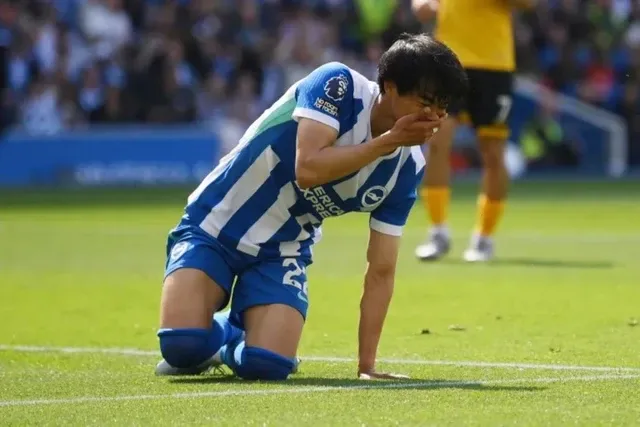
As if losing Minamino was not enough, Japan were also rocked by the absence of Kaoru Mitoma. One of the most electrifying wingers in world football, the 29-year-old picked up a hamstring injury at the frag end of the Premier League season with Brighton and more disappointingly only days before Japan’s squad announcement for the World Cup. The issue rules him out until August, meaning he will play no part for his nation at the tournament in North America. Mitoma's injury removes a key source of pace and creativity from the Blue Samurai attack. Mitoma's ability to beat defenders one-on-one often provides Japan with an entirely different dimension. Against elite opponents, where chances can be limited, his dribbling frequently creates opportunities from nothing. He provided the crucial assist against Spain to secure knockout qualification in the finals four years ago, so his tournament experience is also a big miss. Without him, Japan may become more predictable in the final third.
Xavi Simons (Netherlands)
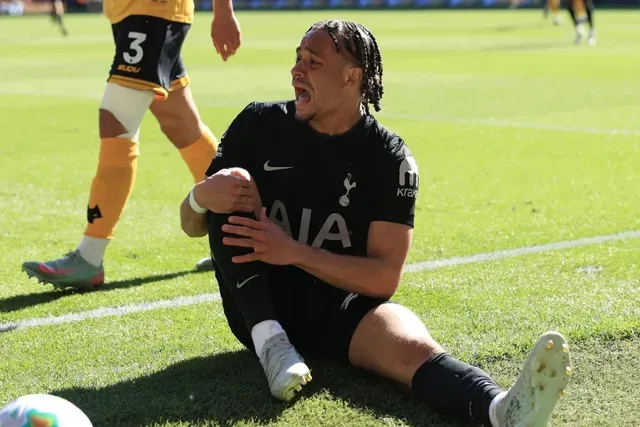
The Netherlands will head into the tournament without one of the brightest young stars in world football. Xavi Simons suffered an ACL injury that ended both his club season and his World Cup dream. That issue picked up in late April did not cost the Spurs relegation in a miserable campaign, but it will certainly be a headache for the Dutch. Simons has been one of the prime
creative force for Ronald Koeman's side, making three goal contributions in the qualifiers and starring in the 2024 Euros with his strike against England in the semifinals and also providing three assists if his latest appearances for the national team are taken into consideration. Once a highly regarded talent at PSG, the 23-year-old has evolved into a complete attacking winger or midfielder capable of scoring, creating and driving his team forward through sheer energy. Despite considerable quality throughout the squad, few Dutch players combine creativity and unpredictability as effectively as Simons. His absence removes a crucial spark from the Oranje midfield.
Serge Gnabry (Germany)
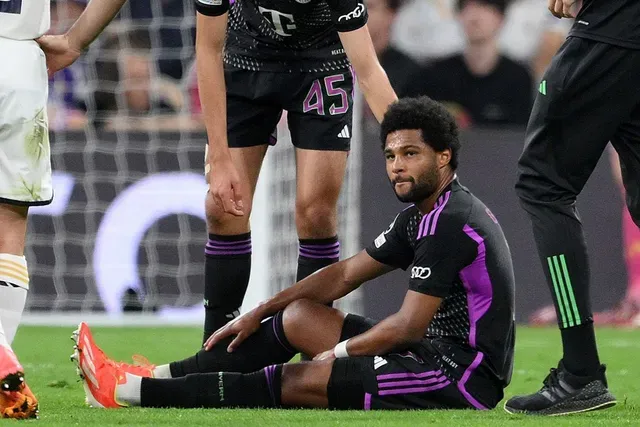
Germany's hopes of ending their recent World Cup disappointments suffered a major blow when Serge Gnabry was ruled out of the tournament. The Bayern Munich forward sustained a torn adductor muscle in his right thigh during training in April 2026. The injury ended both his domestic season and his World Cup dream. A veteran of multiple major tournaments, Gnabry has been one of Germany's most reliable attacking performers over the last decade. His pace, movement and eye for goal have produced 26 international goals and countless important contributions. Although Germany possesses a new generation of exciting attacking talent, Gnabry's experience and leadership will be difficult to replace. In knockout football, proven performers often make the difference and Germany will undoubtedly miss one of their most seasoned forwards.
Rodrygo (Brazil)
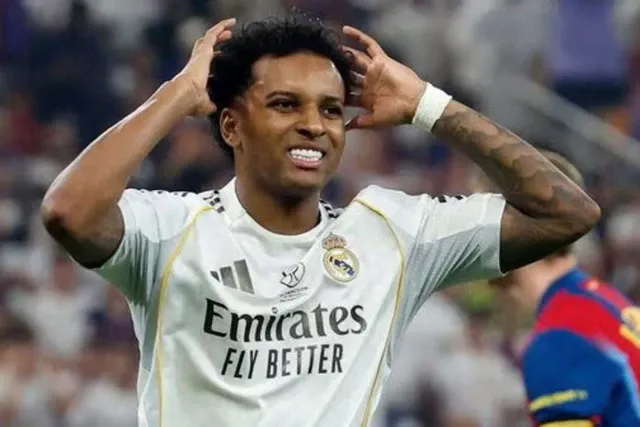
Brazil's World Cup ambitions suffered a major setback when Rodrygo sustained a devastating ACL and meniscus injury while playing for Real Madrid. The injury required surgery and immediately ended hopes of participating in the tournament. Rodrygo has developed into one of Brazil's most reliable attacking weapons. Equally comfortable operating on either wing or through the middle, he offers pace, creativity and goals. His presence would have added more quality and options to the already sensational Brazilian attacker. Moreover, Rodrygo was a trusted lieutenant at Real Madrid under Carlo Ancelotti, now his boss for the record champions, because of his clutch moments in big occasions. The now 25-year-old also provided significant impact off the bench, though he is a starter at Brazil, another attribute which will be sorely missed. His absence places greater pressure on Vinicius Junior and an unfit Neymar to deliver on the biggest stage.
Lennart Karl (Germany)

Germany's 18-year-old attacking midfielder Lennart Karl has been ruled out of the 2026 FIFA World Cup after suffering a torn muscle fiber bundle in his left thigh. The devastating injury occurred during Germany’s final training session in the United States ahead of their pre-tournament friendly against the co-hosts. This sudden loss strikes a massive blow to manager Julian Nagelsmann's squad just a week before their Group E opener against Curaçao. Following a meteoric, breakout debut season with Bayern Munich where he became the club's youngest-ever Champions League goalscorer, Karl brought a distinct brand of fearlessness, raw pace, and elite creativity to the national team. His absence severely thins Germany's offensive depth, especially with fellow forward Serge Gnabry already sidelined. While RB Leipzig’s highly talented Assan Ouédraogo has been called up as an emergency replacement, losing Karl robs Die Mannschaft of their most lethal teenage spark plug and a focal point of their evolving attack.
Fermin Lopez (Spain)
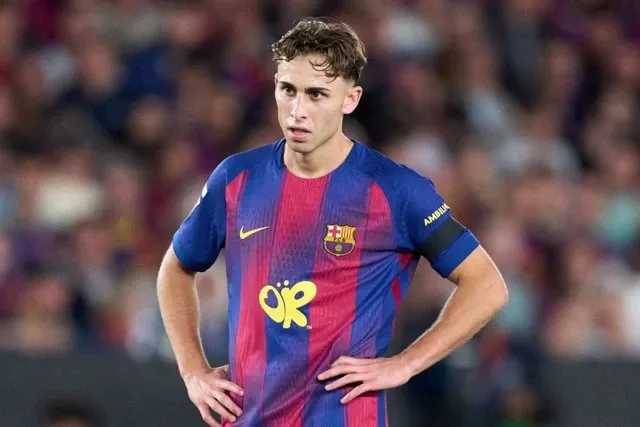
Spain will travel to North America without one of their most promising midfield talents after Fermin Lopez suffered a foot fracture that ruled him out of the tournament. He picked up the injury in the penultimate game of Barcelona’s La Liga retaining season, having contributed to an individual best 30 goals in all competitions and a week before the World Cup squad announcement, which makes it all the more frustrating for him. Having featured just once in La Roja’s Euro triumph, it was a chance for him to play his first World Cup with a much more crucial role than before. Lopez had emerged as an increasingly influential member of Spain's next generation. His energy, pressing ability and eye for goal from midfield provided Luis de la Fuente with an option capable of changing matches from either the starting lineup or the bench. Spain's midfield depth remains impressive, but losing such a dynamic player limits their options.
Jurrien Timber (Netherlands)
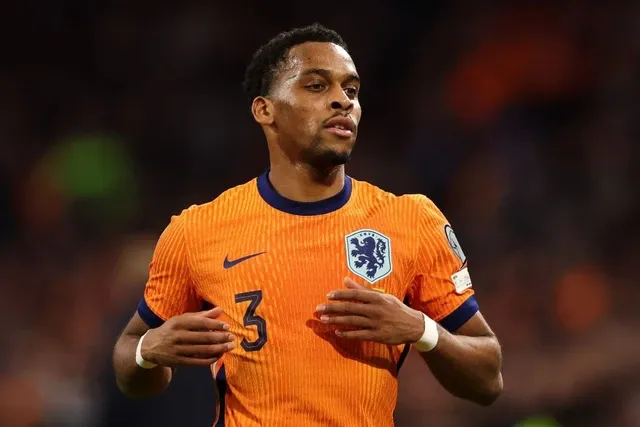
The Netherlands suffered a significant setback ahead of the FIFA World Cup 2026 after Jurrien Timber was ruled out with a persistent groin injury. The Arsenal defender had been managing the issue since the closing months of the club season, but ultimately failed to recover in time for the tournament. Timber's absence is a major blow for Ronald Koeman's side due to his versatility and reliability. Capable of playing at both right-back and centre-back, he offered tactical flexibility and composure in possession that few defenders can match. His ability to contribute both defensively and during build-up play made him a key part of the Dutch setup. While the Netherlands possess quality replacements, losing a player of Timber's calibre weakens both their defensive depth and tactical options. For a team with ambitions of making a deep run in North America, his absence could prove particularly costly in the latter stages of the tournament.
Hugo Ekitike (France)
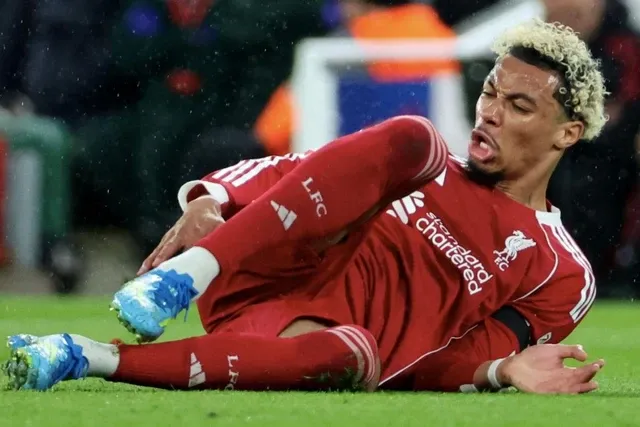
When the chatter was around the two record-breaking signings of Liverpool, Hugo Ekitike actually became the star arrival last summer and the only bright spot in the Reds’ miserable title defence. However, Liverpool fans and also French supporters had worrying signs when they watched their prolific forward drop to the ground with no one around him in pain and agony in the Champions League quarterfinal second-leg game against his ex-club PSG at Anfield in mid-April. Their fear became true when they learned that Ekitike had suffered a ruptured Achilles tendon, which ruled him out of the rest of Liverpool’s season, but most importantly, his chance to be in his first World Cup. It is a hammer blow for France, who, despite their extraordinary attacking depth, will miss a player of unique qualities. While Ekitike may not have been guaranteed a starting role, his development over the last two seasons has made him an increasingly important member of Didier Deschamps' plans. His pace, movement and finishing would have provided valuable depth during a demanding tournament. France remains among the favourites, but losing another attacking option is never ideal.
Also Read |