
The FIFA World Cup has always been far more than a football tournament. Beyond the goals, trophies, and superstars lies something deeper, i.e, the games that capture memory. Every edition leaves behind fixtures that transcend sport itself, becoming emotional landmarks tied to national identity, cultural pride, phenomenal joy or collective heartbreak. Certain World Cup fixtures evolve into timeless narratives that generations continue to revisit. The expanded FIFA World Cup 2026, spread across the United States, Mexico, and Canada, promises a scale unlike anything football has ever witnessed. Yet amid the massive stadiums, logistical complexity and historic 48-team format, it is the emotionally loaded group-stage encounters that could ultimately define the tournament’s soul.
Here are the historic ties that will repeat themselves in the FIFA World Cup 2026:
Mexico vs South Africa - Group A (12 June 2026)
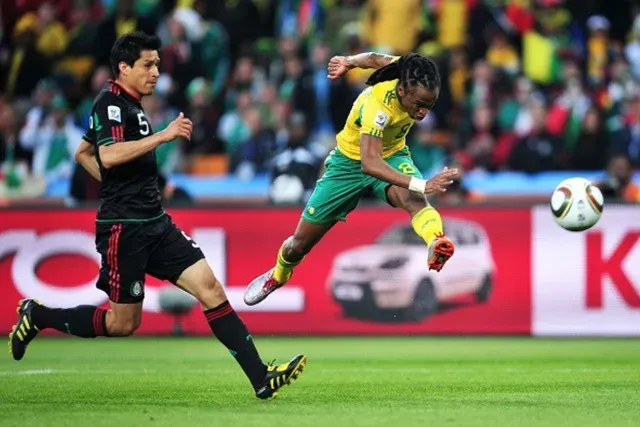
Few fixtures in World Cup history carry the symbolic emotional weight of the game between Mexico and South Africa. On June 12, 2026, the two nations will once again meet in the opening match of the FIFA World Cup, this time at the legendary Mexico City Stadium. The fixture instantly revives memories of Johannesburg 2010, when South Africa became the first African nation to host football’s grandest event. That night at Soccer City remains one of the most culturally significant moments in modern sporting history. The image of Siphiwe Tshabalala unleashing his thunderous strike into the top corner while the deafening sound of vuvuzelas echoed across Johannesburg became an enduring symbol of African pride and joy. Although Mexico’s record-capped player in the World Cup, Rafael Márquez, later rescued a 1-1 draw, the match itself transcended football. It represented unity, celebration, and the emotional power of the World Cup to connect continents.
Sixteen years later, the fixture will be repeated for another World Cup opener for the first time in the competition’s history. This time, Mexico enters the tournament as a co-host burdened with enormous domestic expectations, while South Africa, returning to the competition since hosting the 2010 edition, looks to prove their worth on foreign soil. The tie will be played in the iconic Mexico City, which will be the first venue to host a curtain-raising fixture of the competition for a record third time after previously doing so in 1970 and 1986. Adding another fascinating layer is the tactical storyline on the sidelines. Mexico manager Javier Aguirre and South Africa coach Hugo Broos are set to cross paths on football’s biggest stage decades after their own World Cup connections as players and coaches across different eras of international football. It is a fixture drenched in nostalgia, symmetry, and symbolism, a perfect opening act for a historic tournament which is now the biggest ever.
USA vs Paraguay - Group D (13 June 2026)
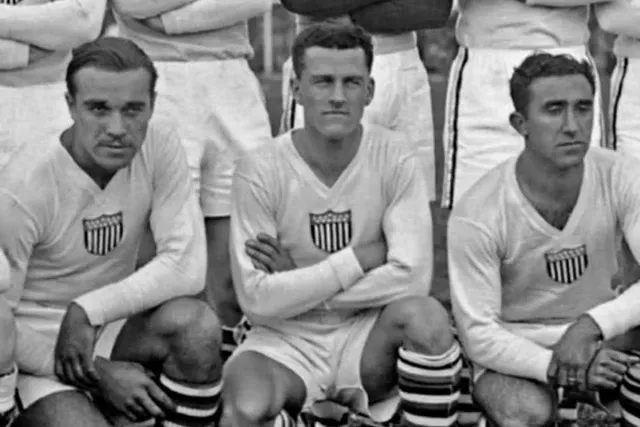
When the United States faces Paraguay in their tournament opener at SoFi Stadium on 13 June 2026, the fixture will mark the start of another historical tournament for them. Like it was in 1994 when they first hosted it and brought a significant change in the footballing landscape in the nation. However, this fixture will also quietly reconnect modern football with the very origins of the FIFA World Cup. It will reflect a forgotten milestone in the vast old history of the competition. These two are actually meeting for the second time at the global stage, having crossed each other’s path in 1930, which was the inaugural edition of the competition. Hosted in Uruguay, the tournament would go on to become iconic, with these two engaged in a battle for the top spot in their group. The game at Montevideo embraced a historic moment that became the first of many that the competition will see. Remarkably, the fixture is not talked about enough, even if it saw the first-ever hat-trick scored on the World Cup stage.
American forward Bert Patenaude achieved the feat of becoming the first player to score a three-peat that saw his team clinch a 3-0 victory. Unfortunately, the hat-trick was not credited to him until 2006 by FIFA because, for decades, it was embroiled in dispute and discrepancies over the second goal, which led to much confusion over whether Patenaude should be honoured with the record. His second strike, scored in the 15th minute, was initially awarded to Tom Florie, while many earlier sources suggested that Paraguayan legend Aurelio González turned it into his own net. By the time the confirmation came, Patenaude was sadly no longer alive, as he passed away in 1974, aged 65. Nearly a century later, the rematch arrives during a vastly different era for American soccer. The expectation of USA has risen and they are tasked to play the best World Cup in their history on their home soil, while for Paraguay, it is a revenge outing to show their rise after a spectacular CONMEBOL qualifiers
England vs Croatia - Group L (18 June 2026)
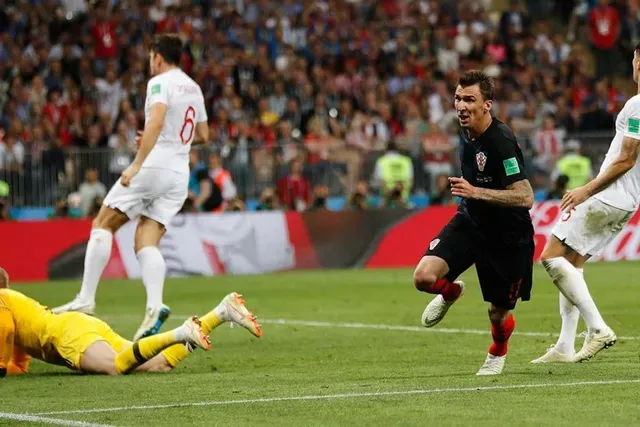
The opening fixture of Group L will bring back memories, more good and bad for both sets of supporters, but a thrilling one for neutrals, of a crucial clash that involved two nations standing at a crucial juncture in each other’s World Cup history. England taking on Croatia at the Dallas Stadium in Arlington on June 17 will be more than just a heavyweight clash or a battle for group supremacy, as ṭhe fixture will recalibrate the moments of the Three Lions’ agonising semifinal defeat in Moscow during the 2018 FIFA World Cup. Gareth Southgate’s youthful England side appeared destined to reach a first World Cup final since 1966 after Kieran Trippier’s spectacular early free-kick gave them the lead. It seemed that they had finally broken the shackles of their past and had redefined themselves in the tournament history, but they were struck by a blistering comeback magic from Croatia.
With England looking to hold on to their early lead, Croatia slowly wrestled control, testing Jordan Pickford several times. However, the pressure was too much and with elimination looming, the Chequers found a way through when their inspiring winger Ivan Perisic found the equaliser right at the death to force extra time. There came the winner by their legendary forward, Mario Mandžukić, who lifted a nation with a population of under four million to their first World Cup final. That match transformed Croatia’s golden generation into global icons. On the flip side, it was a dagger into English hearts, dreams shattered when even their golden generation did not get this far. So, Croatia will mean unfinished business for English supporters, now under German tactician Thomas Tuchel, while the runners-up in Russia, the game may represent one final say for the generation that reached the 2018 World Cup final and the 2022 semi-finals under star coach Zlatko Dalic.
France vs Senegal - Group I (17 June 2026)
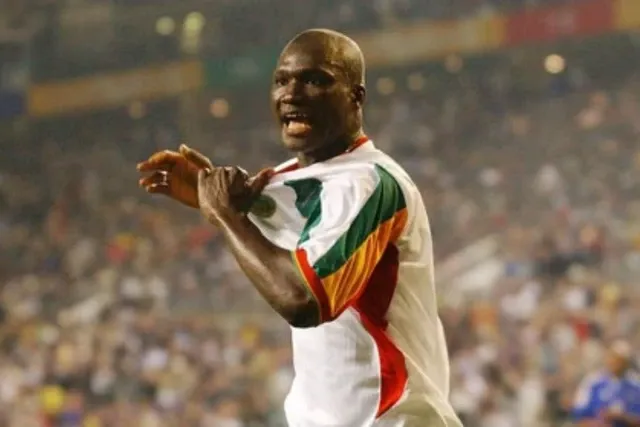
Some World Cup matches change football history forever. The rematch of one of football’s greatest upsets, France will battle Senegal at MetLife Stadium on June 17. It immediately revives memories of one of the greatest shocks the tournament has ever witnessed. Senegal’s unforgettable 1-0 victory over defending champions France in the opening game of the 2002 World Cup was a very important chapter in the nation’s history. At the time, Senegal were World Cup debutants with no prior experience of competing at this level. Meanwhile, France entered the tournament as reigning world and European champions, boasting one of the most feared squads in international football, including Thierry Henry and Zinedine Zidane. Yet Senegal played without fear and created one of the most dramatic moments the competition has ever witnessed. It also became one of the greatest feats for an African side on the world stage.
Weathering the early storm of France’s attack, the Lions of Teranga unleashed a counterattack on the half-hour mark, which was not properly dealt by Les Bleus as Papa Bouba Diop pounced on the loose ball to put it behind Fabien Barthez. It was more than just a goal or a winning strike as Senegal held on to the score for a historical result, as it elevated the nation into global consciousness. Beyond the sporting upset, the match also carried enormous post-colonial symbolism as many members of Senegal’s squad played professionally in France. More than two decades later, the fixture returns with both nations transformed. France remains one of world football’s dominant superpowers, possessing extraordinary depth and elite tournament pedigree. Senegal, meanwhile, has developed into one of Africa’s most consistent and respected national teams, regularly competing at the highest international level. The rematch carries emotional echoes of 2002, but also reflects the evolution of African football itself. Senegal are no longer an outsider capable of occasional miracles. They are now expected to compete with the elite and even beat them.
Brazil vs Morocco - Group C (14 June 2026)
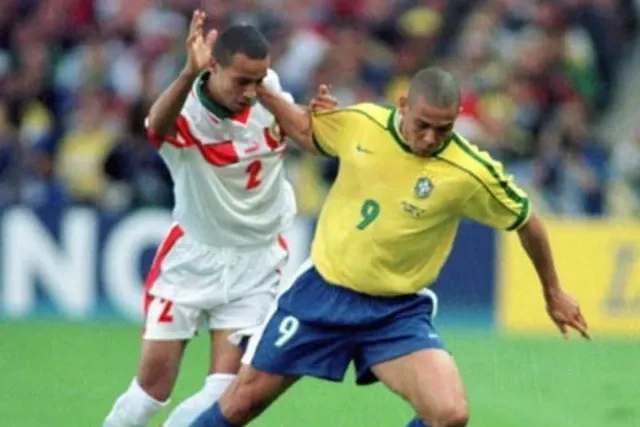
One of the most intriguing clashes of the group stage and a highlight game of the 2026 World Cup arrives on 14 June 2026 as Brazil meets Morocco at MetLife Stadium. On paper, the fixture pits football royalty against an emerging modern force. However, it will also be a game that will have two sides on opposite ends of the spectrum. Brazil remains the spiritual heartbeat of the World Cup, the only nation to win the tournament five times and a team synonymous with flair, artistry, and attacking freedom. But the team has struggled to recapture the ‘Joggo Bonito’ football that made them such a dominant force in the sport, going through a torrid time in their history. Regardless of form, the Seleção always enters the World Cup carrying the weight of immense global expectation. Morocco, however, arrives with growing belief rather than intimidation. Their extraordinary run to the semi-finals of the 2022 World Cup fundamentally changed perceptions of African and Arab football on the world stage. Organised, tactically disciplined, and emotionally fearless, Morocco became the first African nation ever to reach the final four of the tournament. That achievement transformed them into symbols of continental ambition. They no longer enter the competition as underdogs but as darkhorses in North America. Yet, things were so different when they first met on the World Cup stage back in 1998.
It was also a group stage encounter and Brazil possessed a feared squad overflowing with world-class talent, which eventually made the final. The Canaries, who lifted the Cup for the fourth time in the previous edition, contained names like Cafu, Roberto Carlos, Rivaldo and a prime Ronaldo Nazario who was destroying opponents with ease. Morocco was no different to them as it was only their fourth appearance at the world stage, with the team finding their identity on the global platform after being a reasonable force in their continent. But Brazil unleashed a fury that the Atlas Lion will remember profoundly when they take them on in the second meeting in 2026. It took just nine minutes for the Fenômeno to find the back of the net to score his first goal of the tournament. To be fair to Morocco, the next goal they conceded amid the storm didn’t come until first-half stoppage time, with Barcelona legend Rivaldo popping up with the strike and that it ended 3-0 after Bebeto’s strike five minutes following the break and not more, as if it was not a heavy defeat. However, it was down to Brazil, who wanted a field day or not, or save energy for the rest of the tournament, as this victory placed them in the knockout stages. Brazil topped the group, obviously, while Morocco, even after drawing with Norway and beating Scotland, narrowly missed out on the top two because of this result.
Brazil vs Scotland - Group C (25 June 2026)
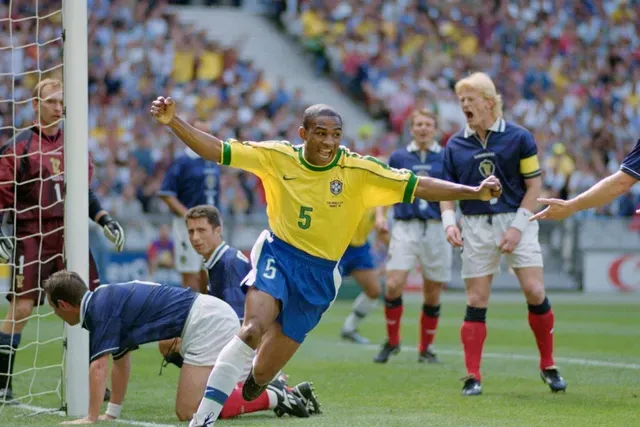
Incidentally, Scotland being in the same group as Morocco and Brazil back then meant there would be rematches of 1998 against those two after they were drawn together again in 2026. Only Haiti is the other member in the group instead of Norway, who is in France’s group, otherwise, if the Scandinavian nation were drawn here, it would have completed the set. Of course, the most symbolic fixture for Scotland will be facing Brazil in their final group game, which is expected to have high stakes for both nations in their group placements and knockout chances. For the Tartan Army, this tournament carries major significance as it is their first World Cup since their venture in 1998 in France. After almost three decades of international wilderness, the next golden generation of Scottish football arrives at the global stage to create history following a terrific qualifying journey under the tutelage of the star manager who revived the nation, Steve Clark. And what a game they will have in store after they get past Haiti and Morocco, which will be a repeat of the curtain raiser of an iconic tournament, the last time they played in the finals. Also, unlike the Atlas Lions, they gave Brazil a moment or two to think about.
As said, the Selecao entered the curtain-raising game of the 1998 edition in Saint Denis, a venue which will haunt Brazilian supporters at the end of the tournament, with the heartbreaking final defeat to France, with a star-studded squad and everyone was expecting they start their journey in the tournament with a bang. It was expected because Scotland entered the tournament as spirited outsiders hoping to upset the odds and this was their return to the competition after missing the previous edition. However, games are not played on paper but on the pitch, as the Scots reminded everyone that day. As expected, the then-defending champions started in an ideal fashion with César Sampaio igniting Samba dance in the stands with his fifth-minute strike, but it didn’t rock the spirits of the opposition. Scotland hit back with John Collins converting from the penalty spot in the 38th minute. Punching above their weight, the side led by Craig Brown had something to hold on to, but Brazil’s relentless pressure ultimately took a toll with an unfortunate Tom Boyd own goal in the 74th minute, handing the Seleção victory. Although Scotland ultimately exited in the group stage, the fixture remains fondly remembered for its atmosphere, competitiveness and symbolism.
Netherlands vs Japan - Group F (15 June 2026)
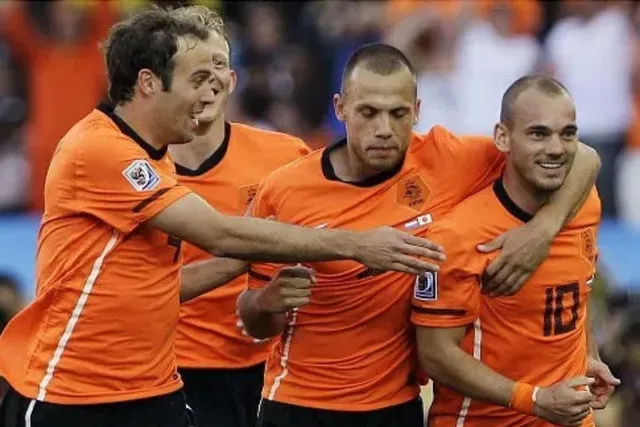
The Netherlands and Japan may not possess the historical bitterness of some other rivalries, but their World Cup meeting in 2010, their only ever before 2026, provided the benchmark for both nations. The Dutch built the next star-studded unit to challenge for the trophy after their class of 70s, in which a Johan Cruyff-inspired side reached back-to-back World Cup finals in 1974 and 1978. This generation managed to achieve something similar in 2010, but left with the unwanted record of the team with the most World Cup final appearances without winning the trophy. On the other hand, Japan was a rising force with the edition hosted in South Africa, adding to the chapter of the rapid football growth in the nation in the modern era. They soon reached their goal of becoming Asia’s most technically refined and tactically intelligent sides, capable of troubling elite European opposition.
That 2010 clash was an uninspiring one as it was a cagey affair with both testing each other out even though they had an eye-catching squad. The Netherlands possessed the likes of Arjen Robben, Robin Van Persie and Wesley Sneijder, who was one of the edition’s best players, while Japan had their legendary forward Keisuke Honda and their iconic full-back, Yuto Nagatomo, who remarkably features in the 2026 roster as well. At last, it was Sneijder who provided the individual magic the game desperately needed. In the 53rd minute, his powerful strike just outside of the box slipped through the hands of Japan goalkeeper Eiji Kawashima and into the net to give the Dutch delight. The game opened up after that, with substitute Ibrahim Affelay could have added more, but Kawashima stood strong this time while Shinji Okazaki missed a great chance to equalise at the other end. It was a 1-0 victory for the Dutch, but it set the standards for both. Now, their 2026 meeting represents a collision between two of world football’s most sophisticated tactical cultures and will probably be more goal flurry than the last with two extremely talented squads at disposal.
Netherlands vs Sweden - Group F (20 June 2026)
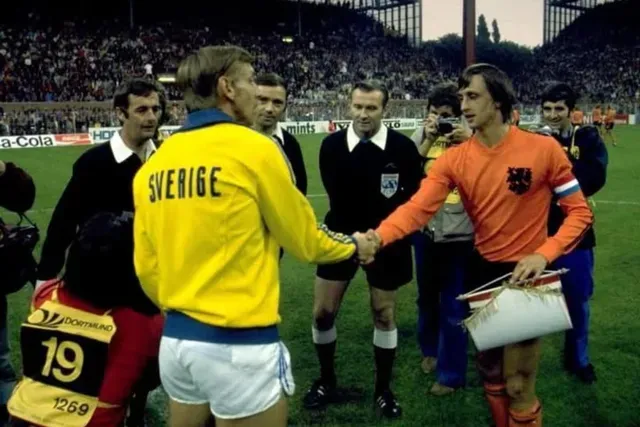
In the same group, another tie will be played, which will roll back the years and a different era altogether. The Netherlands and Sweden will meet in their second group game at the 2026 World Cup, which could be an important clash for group supremacy and as in most cases with an all-European battle at a major tournament, history inevitably follows. The fixture will be a repeat of the 1974 FIFA World Cup, with both sides sitting at a very crucial time in each other’s footballing arc. It was Johan Cruyff’s Netherlands who would revolutionise the sport with Total Football, a reward more than winning the Cup, they will argue. While the Swedish football we associate now was sowing the seeds then. Disciplined, physically imposing, and tactically organised, the team has repeatedly challenged technically superior opponents through collective structure and defensive intelligence, representing one of Europe’s most resilient footballing cultures. Now, they have added an attacking flair to it.
That game 52 years ago is actually a forgotten leaf in the grand old history of the competition as it won’t strike as a legacy-oriented battle when these two take to the pitch in North America, but the clash carried enormous significance, which shaped both nations’ football. It was their second group stage game back then as well and strikingly, Sweden pulled out an enormous result in nullifying that star-studded Dutch team that would go on to destroy almost every opponent from there on, including Argentina, Brazil and West Germany, although they lost against the latter in the final. So that goalless draw was not a stalemate but a symbol of where both sides went from there. The contrast between Dutch fluidity and Swedish pragmatism has consistently produced compelling football. In 2026, the fixture also highlights two nations attempting to redefine themselves after transitional periods. The Netherlands continues rebuilding around a younger generation seeking to restore its former glory, while Sweden aims to re-establish itself among Europe’s elite after missing recent major tournaments.
Mexico vs South Korea - Group A (19 June 2026)
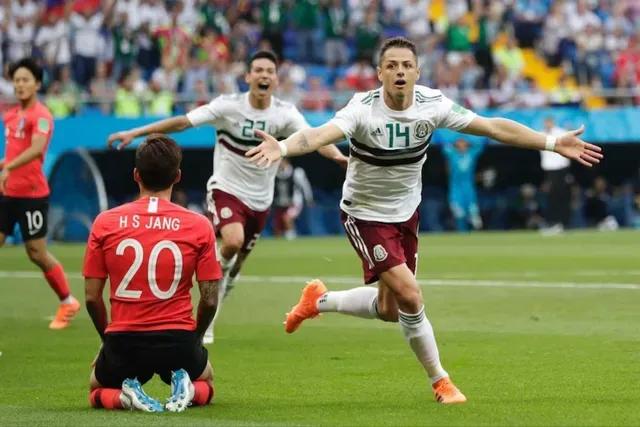
From a one-off battle, we come to a clash that has been played multiple times in the World Cup. Mexico locking horns with South Korea might not strike as a tournament classic or a game to watch out for, other than the supporters of the respective nations, but it has quietly developed one of the most entertaining recurring fixtures in modern World Cup history. The two nations previously met twice in the greatest stage of all, first in 1998, with a lot of games from that edition getting rematched and recently in 2018. Both games were won by El Tri, but the Asian outfit offered drama in both ties. The 2026 edition arrives with both footballing cultures significantly evolved. South Korea continues to produce technically elite players competing at Europe’s highest level, while Mexico remains one of the most emotionally supported nations in world football. Historically, matches between the two sides have consistently delivered pace, intensity, and attacking football, making this rematch one of the most underrated spectacles of the group stage. Their first encounter came in Lyon, with both paired in a difficult group alongside Belgium and the Netherlands and they were desperate to win in this fixture to start their tournament on a high note.
Mexico possessed a strong squad and was the favourite to progress from the group stages, but South Korea was not there to make it easy. In fact, the Asian giants, including their present coach and record appearance maker at the finals for his nation, Hong Myung-bo, took the lead in the 27th minute through Ha Seok-ju. However, the goalscorer was remarkably sent off just three minutes later, changing the direction of the game he had in his nation’s favour. The CONCACAF nation took full advantage of the opposition being reduced to 10 and pumped three goals past them through Ricardo Peláez and a brace from Luis Hernández for a dramatic 3-1 comeback win. It was a kind of flair that set the tone for the next game, twenty years later in Rostov. Mexico brought an electrifying generation of players to the World Cup edition in Russia, as they showed in upsetting the then-holders Germany in their campaign opener in Luzhniki. So, it was inevitable that they wouldn’t fidget against South Korea, putting up another cosy performance thanks to goals from Carlos Vela from the spot and record goalscorer Javier “Chicharito” Hernández, although Son Heung-min’s stunning late strike nearly sparked an unlikely comeback.
Germany vs Ecuador - Group E (26 June 2026)
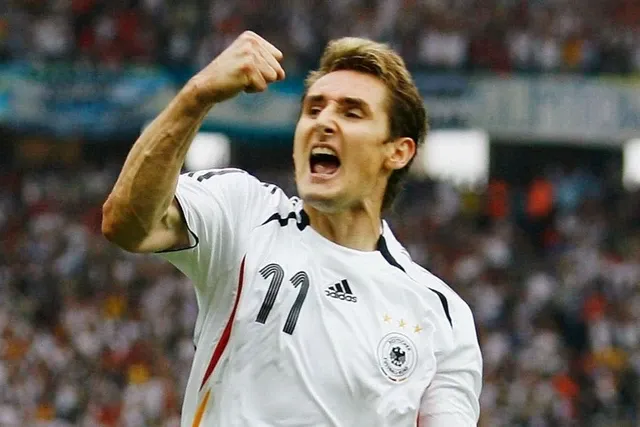
Another game that could potentially turn into a group decider and also carries historical significance will be Germany against Ecuador. This fixture gives flashes of the memories of the 2006 FIFA World Cup. As the hosts then and with the expectation of winning the Cup on their soil, Die Mannschaft started the tournament on a high note and faced Ecuador in a similarly final group game back then to top the standings. The meeting happened in Berlin and the team, revitalised under Jürgen Klinsmann, produced one of the defining performances in the capital city. Ecuador rested several players, having sealed their place in the knockouts, but Germany did not care as they fielded a full-strength team looking to carry on their momentum. They did it easily with the World Cup’s record goalscorer, Miroslav Klose, taking just four minutes to open the scoring. His goal was the second fastest ever scored by a German player at a World Cup, coming one minute after Rüdiger Abramczik's record in 1978.
Klose added a second goal shortly before half-time as he rounded off Cristian Mora to score his fourth of the tournament. The last nail in the coffin was put in by his strike partner, Lukas Podolski, who finished off his chance three minutes off the hour mark to clinch a 3-0 victory. Germany reached the semifinal stage of the tournament, which marked the rebirth of modern German football, a transformation built on attacking intensity, youth development, and tactical evolution that would eventually culminate in World Cup glory eight years later in Brazil. Ecuador, meanwhile, has steadily grown into one of South America’s most dangerous emerging footballing nations. Their athleticism, defensive organisation and fearless approach against elite opposition have repeatedly made them difficult opponents at major tournaments. The 2026 rematch, therefore, carries significant intrigue. Germany enters the tournament desperate to fully restore its international reputation after shocking group stage elimination in the past two editions, while Ecuador sees itself as a nation capable of producing another breakthrough moment on football’s biggest stage.
Algeria vs Austria - Group J (28 June 2026)
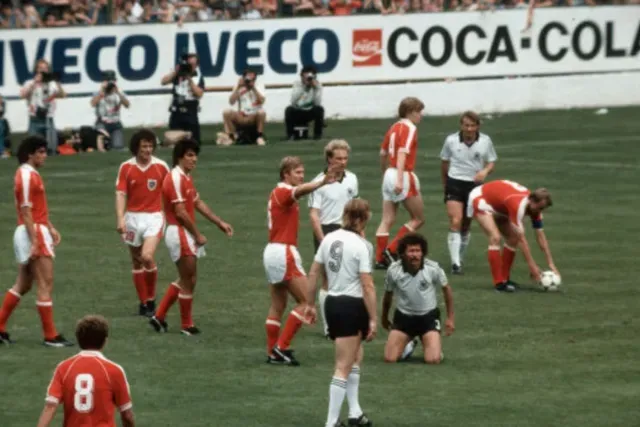
Among all the historical rematches scheduled for the 2026 FIFA World Cup, few carry the controversy and lasting significance of the tie between Algeria vs Austria. While the game itself in the 1982 FIFA World Cup in Spain was flawless, with Burschen registering a comfortable 2-0 win with goals scored by Walter Schachner and Johann Krankl, it was the final day drama that went down a lane that shook the integrity of the sport. It became one of the infamous episodes in football history and came to be known as the "Disgrace of Gijón". It directly influenced the evolution of World Cup regulations. The story began with Algeria producing one of the greatest shocks the tournament had ever seen. Appearing in their first-ever World Cup, the North Africans stunned reigning European champions West Germany 2-1 in Gijón thanks to goals from Rabah Madjer and Lakhdar Belloumi. It was a landmark victory not only for Algerian football but also for African football as a whole, proving that teams from the continent could compete with and defeat the sport's established powers on the biggest stage.
Yet despite beating West Germany and also defeating Chile during the group stage, Algeria's fate would ultimately be decided by others due to that defeat against Austria in their second group game. Because Austria and West Germany played the final match of the group after Algeria had completed all their fixtures, both European teams knew exactly what result was required to qualify at Algeria's expense. A 1-0 victory for West Germany would send both European sides through while eliminating Algeria. When Horst Hrubesch scored for Germany after just ten minutes, the match effectively ended as a contest. For the remaining eighty minutes, both sides largely abandoned any genuine attacking ambition, casually exchanging possession and showing little interest in altering a scoreline that suited them perfectly. The crowd inside El Molinón responded with outrage, waving white handkerchiefs and whistling relentlessly. Commentators across Europe openly condemned what they were witnessing, with some broadcasters reportedly urging viewers to turn off their televisions in protest.
Algeria were eliminated despite winning two of their three matches. The controversy became so severe that FIFA was forced to act. Beginning with the 1986 World Cup, all final group-stage matches would be played simultaneously, a rule that remains in place today and has become one of the defining features of major international tournaments. More than four decades later, the scars of Gijón have never fully disappeared from Algerian football's collective memory. The incident remains a powerful symbol of perceived injustice and one of the most frequently cited examples of unsporting behaviour in World Cup history. The 2026 meeting, therefore, carries meaning far beyond the football itself. For Austria, the final group game against the Fennecs will serve as a decider for their knockout chances after returning to the stage in 28 years. For Algeria, it represents an opportunity to revisit one of the most painful chapters in the nation's sporting history and perhaps secure a measure of symbolic redemption.
More on FIFA World Cup 2026: