
The pinnacle of motorsport is making one of the biggest changes since its new iteration debut in the hybrid era. As the 2026 Formula 1 season begins to rev up soon, the sport is set to hit the tracks with its biggest rules and regulations changes in over a decade. The racing governing body, FIA, has unveiled new rules and regulations for the 2026 Formula 1 season.
These new rules and regulations might bring new design changes to the cars as well as to the F1 tracks. However, F1’s most advanced racing spur, DRS, has been ditched from the 2026 F1 season. Moreover, every element of the F1 car for 2026 will have the same amount of changes in the power unit, chassis, and, more especially, the aerodynamics.
Whether you're a newbie tuning in for the first time or a die-hard fan dissecting every lap, these changes will redefine what we love about F1. Let’s have a detailed look at what changes are taking place under the new rules and regulations for the 2026 F1 season.
1. Smaller & More Lighter F1 Cars
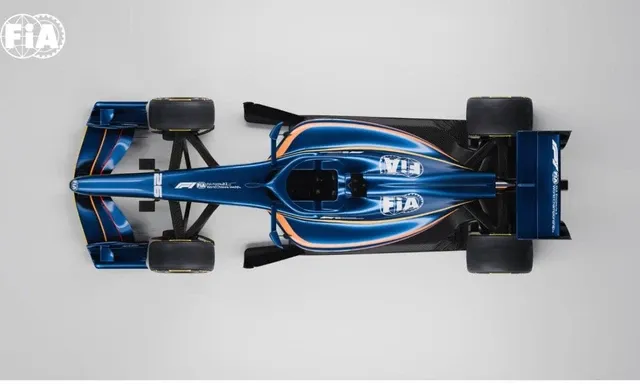
The biggest changes for the 2026 F1 season can be seen on the F1 cars themselves. According to the new rules and regulations, the overall weight of the cars is reduced to make them more agile on the tracks. The dimensions of the upcoming F1 cars might be as follows:
The wheelbase is reduced by 200 mm to 3,400 mm
Overall width is also reduced by 100 mm to 1,900 mm
The 2026 F1 car’s minimum wheelbase weight is lowered by 30 kg to 770 kg
This makes them more aerodynamically faster, easier to follow, and primed for side-by-side racing without the "dirty air" woes of today.
2. Updated Aerodynamics: Active Aero Introduction and rear wings' simplicity have replaced DRS
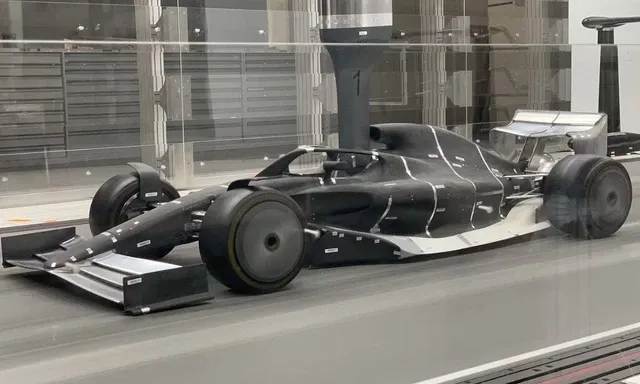
The 2026 season will also bring the biggest changes in the aero packages of the racing cars. With the introduction of a new chassis and power unit, cars will now offer less downforce action and will improve their overall efficiency. Some key points of the aero changes are mentioned below:
To reduce the overall downforce by 15-30%, both front and rear wings will be made simpler.
The rear beam wings will no longer be available, and the front wing will feature narrower elements.
With new aerodynamic changes, we will not see long ground-effect tunnels and will say hello to flatter floors with extended diffusers now equipped with bigger openings.
No more DRS technology available to overtake during the race
To compete, F1 cars will still be equipped with 18-inch Pirelli tyres, now narrower in size. For tyre dimensions, width is reduced by 25 mm at the front and at the rear by 30 mm.
Also Read: F1 car Aerodynamics Explained
3. New Powertrain Unit Ended The MGU-H (Heat Recovery System)
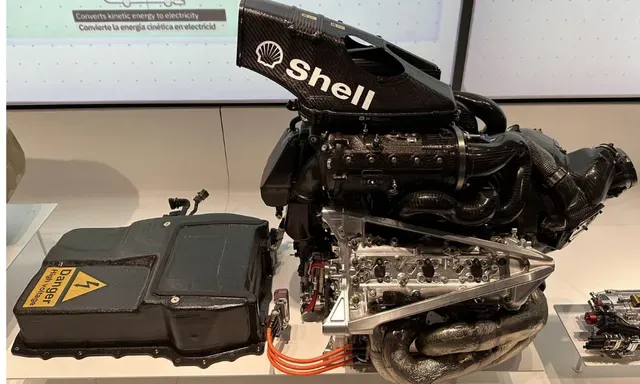
New season, new engine configuration setup. For the 2026 Formula 1 season, many teams and manufacturers will power their cars with the same 1.6L V6 turbo engine, and this time with major changes. This newly configured power unit is now able to produce a 50-50 split between the internal combustion and electric energy. Power consumption will be used as follows:
Around 50% of the 1.6L V6 turbo ICE and 50% electric, targeting over 1000 HP of total power.
The MGU-K increases its power output from 120 kWh to 350 kWh
This Motor Generator Unit-Kinetic will be used to charge the car battery while applying heavy braking.
4. Sustainable Fuels: Green Power Mobility
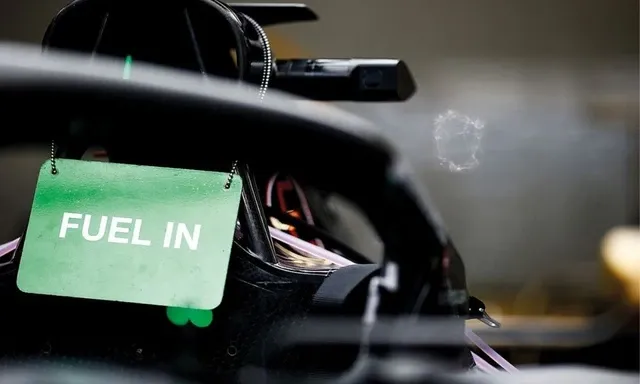
For the first time ever, Formula 1 cars will be running on advanced sustainable fuels.
- This fuel is produced from cutting-edge technology like carbon capture, municipal waste, and non-food biomass.
- The new fuel will cut lifecycle CO₂ by 65% from the exhaust.
5. Safety Upgrades: Built to Survive Anything
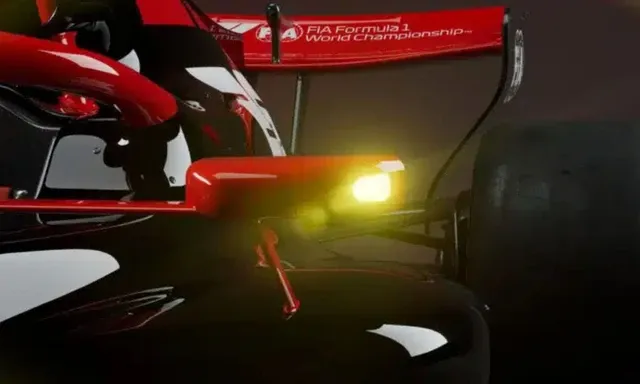
Safety for F1 drivers has always been the top priority for the FIA. As per the new rules and regulations, for safety: