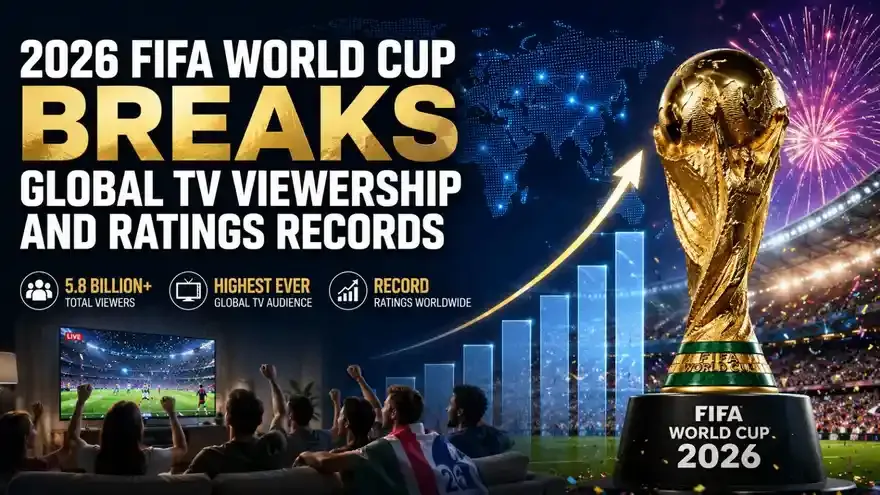
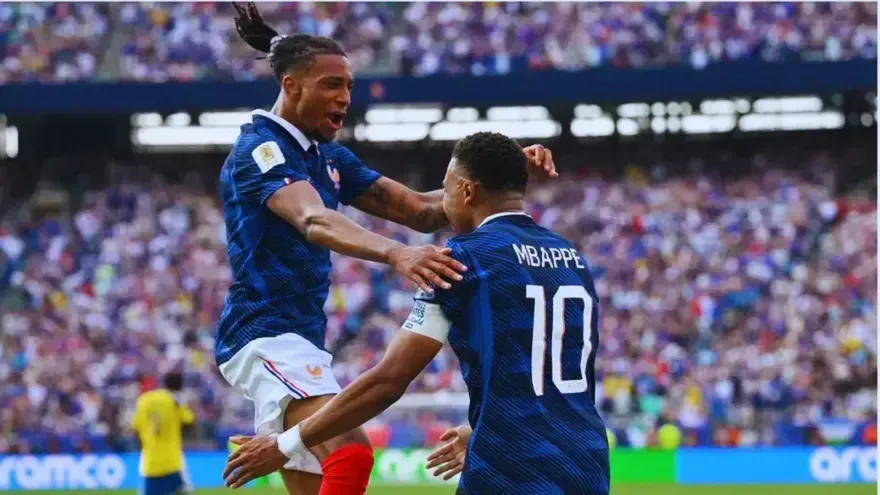
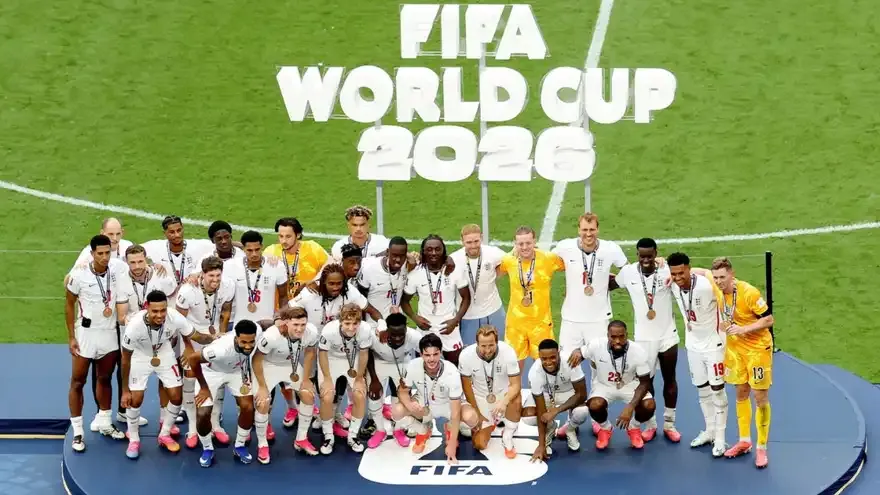
Just days before the opening match of the FIFA World Cup 2026, Indian football fans finally received the answer they had been waiting months for. After prolonged negotiations and considerable uncertainty, Zee Entertainment Enterprises Limited (ZEEL) secured the Indian media rights for FIFA competitions in a landmark agreement that ensures the FIFA World Cup 2026 will be available across television and digital platforms in the country. The announcement brought an end to one of the most unusual broadcasting sagas in recent World Cup history. Unlike previous editions, where broadcasters were confirmed months in advance, India remained without an official rights holder until barely a week before the tournament kicked off in North America. The delay sparked concerns among fans, triggered legal discussions regarding public broadcasting and highlighted the changing economics of sports rights in one of the world's largest media markets.
Where Can Fans Watch The FIFA World Cup 2026 In India?
Indian viewers will be able to watch all 104 matches of the FIFA World Cup 2026 through Zee's television and digital ecosystem. Matches will be broadcast across Zee's sports network, televised in Unite8 Sports Channels, while live streaming will be available on Zee5. The broadcaster is expected to provide comprehensive coverage, including pre-match analysis, highlights, expert discussions and multilingual commentary. For football supporters, the agreement finally removes the uncertainty that had surrounded the tournament's availability in India for much of the past year. The acquisition also marks Zee's most significant return to international sports broadcasting in recent years, with football becoming a central pillar of the network's long-term strategy.
Why Did The Rights Deal Take So Long?
The biggest question surrounding the World Cup in India was not who would broadcast it, but why a broadcaster had not been announced until the final days before the competition. At the heart of the delay was a significant gap between FIFA's valuation of the rights package and what Indian broadcasters were willing to pay. Industry sources indicated that FIFA initially sought a deal worth close to $100 million for the combined rights to the 2026 and 2030 FIFA World Cups. However, broadcasters remained cautious about committing such a large investment. As negotiations continued, FIFA eventually softened its position. Reports suggest the governing body reduced its expectations significantly, with the final agreement believed to be worth approximately $30 million, less than a third of the original valuation being discussed earlier in the process.
However, there were still no broadcasters willing to take the rights as the valuation was still high, but there were more crucial factors that halted negotiations. One of the primary concerns was the tournament's location. Unlike the 2022 World Cup in Qatar, which offered favourable viewing windows for Indian audiences, the 2026 tournament is being staged across the United States, Canada and Mexico. The majority of matches will take place late at night or during the early hours of the morning in India, reducing potential television ratings and advertising revenue, the latter being the most grievous concern. The expanded format also played a role. While the increase from 64 to 104 matches offers more content, it simultaneously raises production and programming challenges for broadcasters, particularly when many games fall outside peak viewing hours.
Hence, top Indian broadcasters like Sony, Fancode and Jio Hotstar, who tabbed $25 million, also showed the World Cup in Qatar in 2022, moved away from the deal. It caused a chaotic situation that the World Cup might not be broadcast in India, the repercussions of which is huge. Fans were left in disarray and it was not a pretty situation to be in. Then, as almost a surprise, Zee Entertainment, which once had a big say in sports broadcasting in India, entered the negotiations. To everyone's delight, they were able to come to an agreement and meet FIFA’s broadcasting rights valuation to secure one of the most significant football rights packages available in the Indian market. It was an astonishing revival from the broadcasting network.
The Delhi High Court Petition And The DD Sports Debate
The uncertainty surrounding the broadcast rights was further amplified by a petition filed before the Delhi High Court concerning the availability of the FIFA World Cup on public television. The petition argued that the World Cup should be made available through Doordarshan under provisions relating to the mandatory sharing of certain sporting events of national importance. The case sparked widespread debate among football supporters, many of whom hoped the tournament would be accessible through DD Sports in addition to private broadcasters. However, during the proceedings, representatives associated with Prasar Bharati clarified that DD Sports had no plans to telecast the tournament.
This significantly altered the discussion, as the matter was no longer centred on a dispute between a private broadcaster and the public broadcaster but rather on whether the World Cup fell within the scope of mandatory sharing provisions. The court proceedings drew attention to broader questions about access to global sporting events in India and the balance between commercial rights and public interest broadcasting. Ultimately, the World Cup remained a privately held property, with Zee emerging as the official broadcaster. While the petition generated considerable public interest, it did not alter the final distribution arrangement.
A Deal Bigger Than The 2026 World Cup
Although the immediate focus is on North America 2026, Zee's agreement extends far beyond the upcoming tournament. The package includes rights to the FIFA World Cup 2030, ensuring continuity for Indian viewers across the next two men's World Cups. In addition, the agreement covers a wide range of FIFA competitions, including the FIFA Women's World Cup, youth World Cups, age-group championships and various international tournaments conducted under FIFA's umbrella. The deal reportedly encompasses dozens of FIFA events over the coming years, providing Zee with one of the most comprehensive football rights portfolios in the country. For FIFA, the agreement guarantees long-term visibility in one of the world's largest media markets. For Zee, it creates a foundation upon which it can build a dedicated football audience over the remainder of the decade.
Why The Agreement Matters For Zee
The acquisition represents far more than a broadcasting deal. In recent years, India's sports broadcasting landscape has become increasingly concentrated around cricket and a handful of dominant rights holders. Entering that environment through cricket would have required enormous investment and direct competition with some of the industry's biggest players. Football offers a different opportunity. The sport continues to enjoy strong support among younger audiences and urban viewers, while the World Cup remains one of the most-watched sporting events globally. By securing FIFA's flagship properties, Zee has positioned itself as a major player in football broadcasting at a time when the sport's popularity in India continues to grow. The long-term nature of the agreement is equally significant. Rather than negotiating rights on a tournament-by-tournament basis, Zee now possesses a pipeline of FIFA events capable of attracting viewers throughout the next decade.
Indian football fans' agony ends
For supporters, the conclusion of the rights saga is ultimately good news. What began as months of uncertainty has ended with one of the most extensive FIFA broadcasting agreements ever secured in India. Fans now know exactly where they can follow the World Cup, while also receiving assurance that future FIFA tournaments will remain accessible through a consistent broadcasting platform. The deal also highlights how much the sports media landscape has evolved.A decade ago, acquiring World Cup rights in India would have been a relatively straightforward exercise. Today, broadcasters weigh viewing habits, digital subscriptions, advertising returns and time-zone challenges before committing to major investments.
The lengthy negotiations surrounding the 2026 World Cup reflected those realities. In the end, however, a compromise was reached. FIFA secured a broadcaster in one of its most important growth markets. Zee obtained a premium football portfolio capable of strengthening its sports ambitions. And Indian fans can now look forward to the biggest World Cup in history, knowing that every moment from the opening match in Mexico City to the final in New York will be available at home. After months of uncertainty, the road to the FIFA World Cup 2026 in India is finally clear.